Access Bilbao
BILBO · BIZKAIA · EUSKADI

A merchant town on a tidal river that built ships for a century, then built a museum where the shipyards stood.

The largest city of the Basque Country, strung along both banks of the Ría: a medieval old town of seven streets, a grid of nineteenth-century avenues, and a riverfront remade since the 1990s.

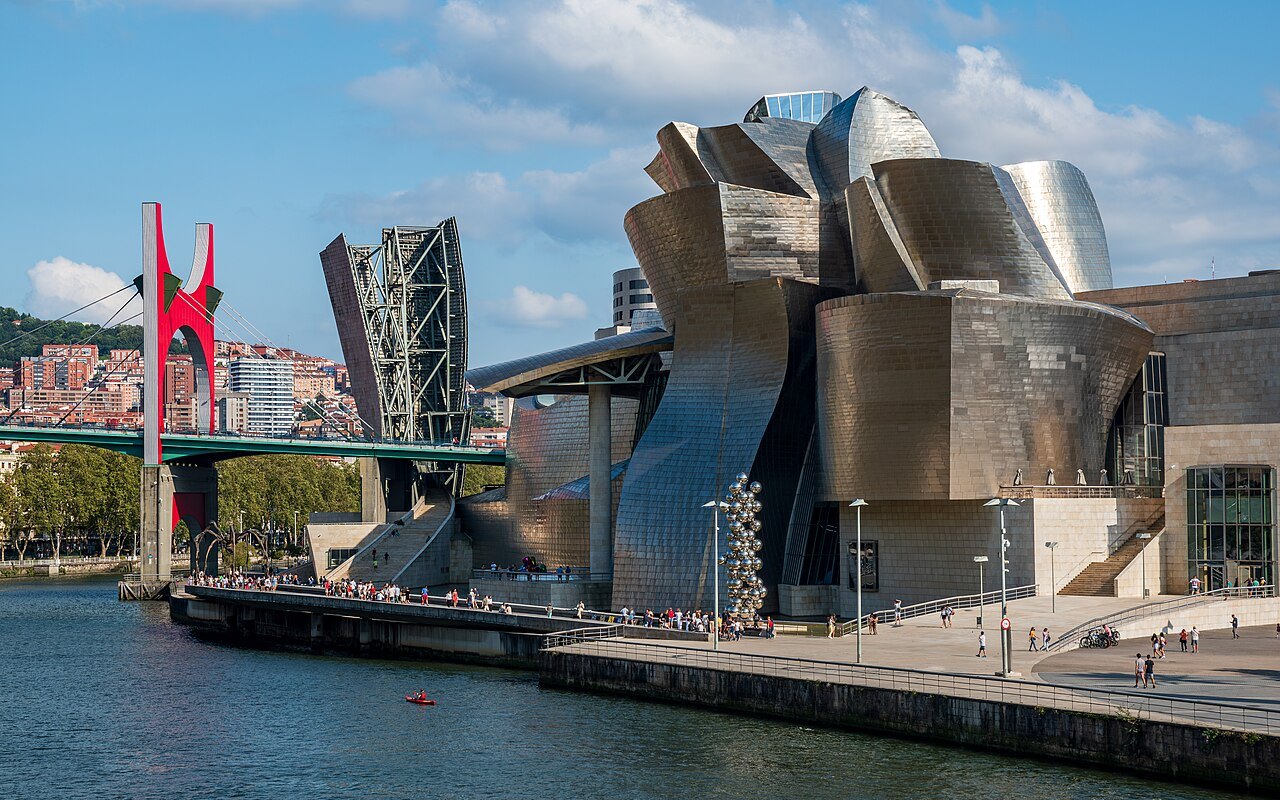
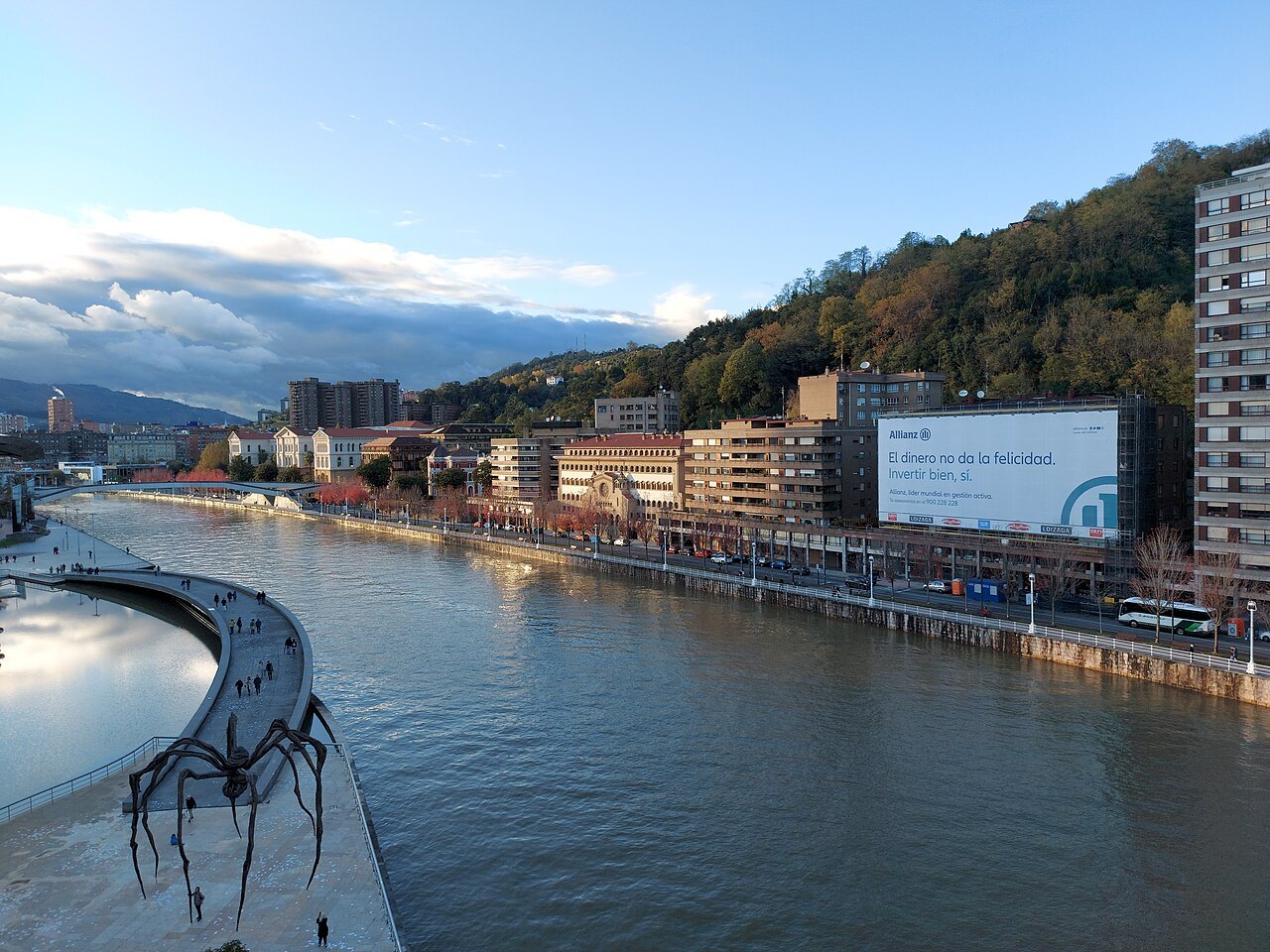
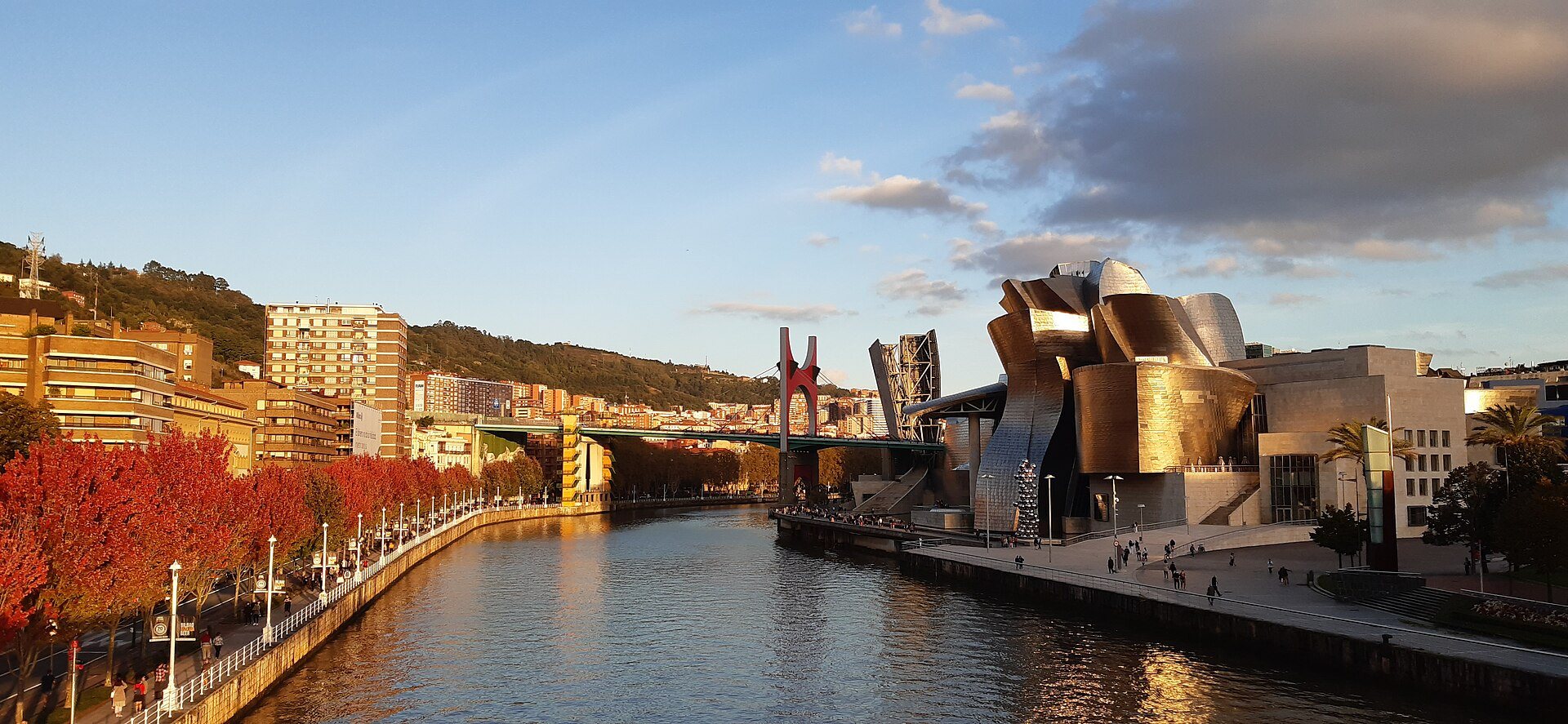
The Guggenheim's titanium in evening sun across the Ría, with the red arch of La Salve Bridge and autumn trees along the bank

Photo: Gorkaazk, Wikimedia Commons, CC BY-SA 4.0

Two banks, one river, a city that moved downstream

Follow the Ría from the Seven Streets to the sea.

A town on a tidal river

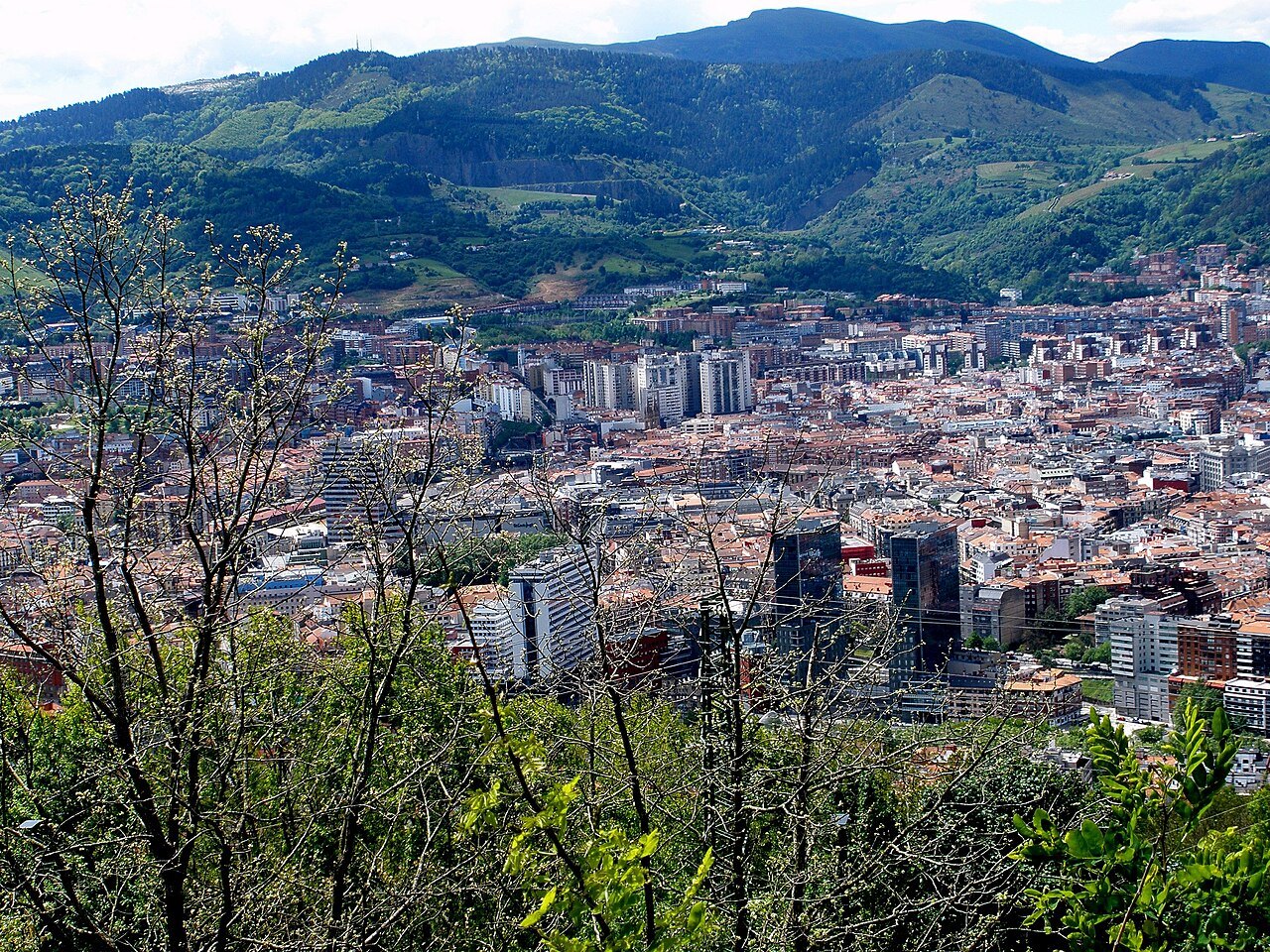
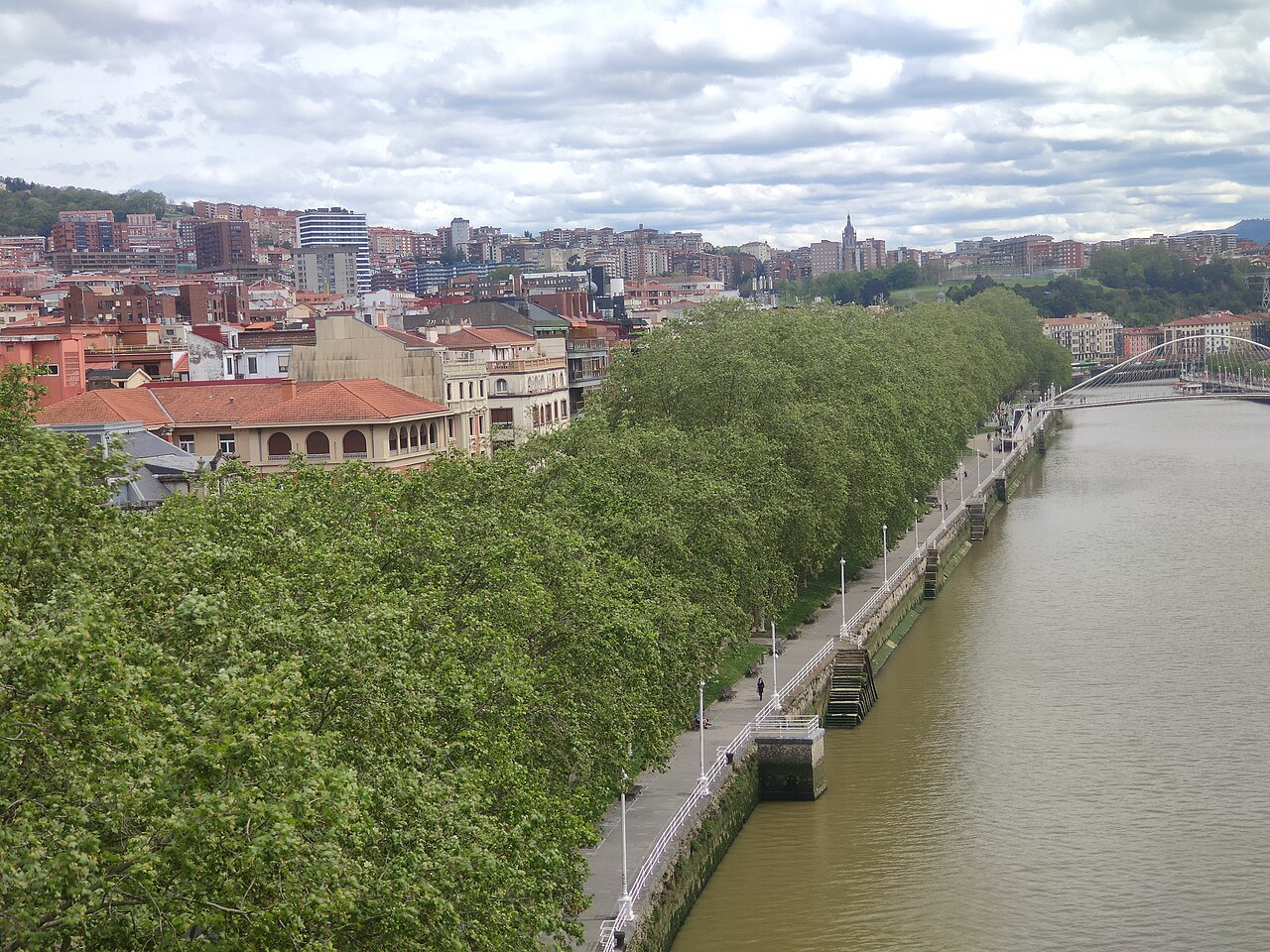
Bilbao sits about ten miles inland from the Bay of Biscay, where the Nervión, the Ibaizabal and the Cadagua meet in a tidal river, the Ría, between two ranges of hills. About 347,000 people live in the city itself and just over a million in its metropolitan area, the largest in northern Spain. The town began on the right bank, in the Seven Streets of the Casco Viejo; the Ensanche, the planned grid of Abando and Indautxu, filled the left bank in the nineteenth century; and both banks are joined by bridges, a Metro and a tram (getting around). The airport is over the hill at Loiu and trains arrive at Abando (getting here), and each quarter suits a different kind of stay (where to stay).

Iron, ships, and then a museum

Diego López V de Haro, Lord of Biscay, granted the town its charter on 15 June 1300, and for centuries its port shipped Castilian wool and Biscayan iron to the rest of Europe. In the nineteenth century it became the center of Spain's second most industrialized region, all steelworks and shipyards. When that industry collapsed in the 1980s, the city rebuilt its riverfront, beginning with the Guggenheim in 1997 (the transformation). Begin with the sights. Basque and Spanish are both official, and the signs are in both (Basque); the coast and the Basque towns around the city are for day trips.

Rain, pintxos and a few tickets

The climate is oceanic: rain falls in every month, most of all between October and April, and the great festival, Aste Nagusia, fills nine days in August (when to come). Very little needs booking beyond a museum on a busy day, the opera season and a match (booking ahead). The city eats standing at a bar counter, from pintxos to salt cod (eating and drinking), and there is an itinerary for every length of stay.

ARTXANDAthe Ríato the seaupstreamCASCO VIEJOABANDOINDAUTXUDEUSTOURIBARRIBILBAO LA VIEJAZORROTZAURREBEGOÑA1234567891011121314151617Down the Ría to the seathe AbraBARAKALDOERANDIOPORTUGALETELAS ARENASBilbao192018
  1. The Casco Viejo
  2. Santiago Cathedral
  3. Plaza Nueva
  4. The Ribera Market
  5. Teatro Arriaga
  6. The Basilica of Begoña
  7. The Guggenheim
  8. Abandoibarra
  9. The Euskalduna
  10. The Itsasmuseum
  11. Zubizuri
  12. La Salve Bridge
  13. The Fine Arts Museum
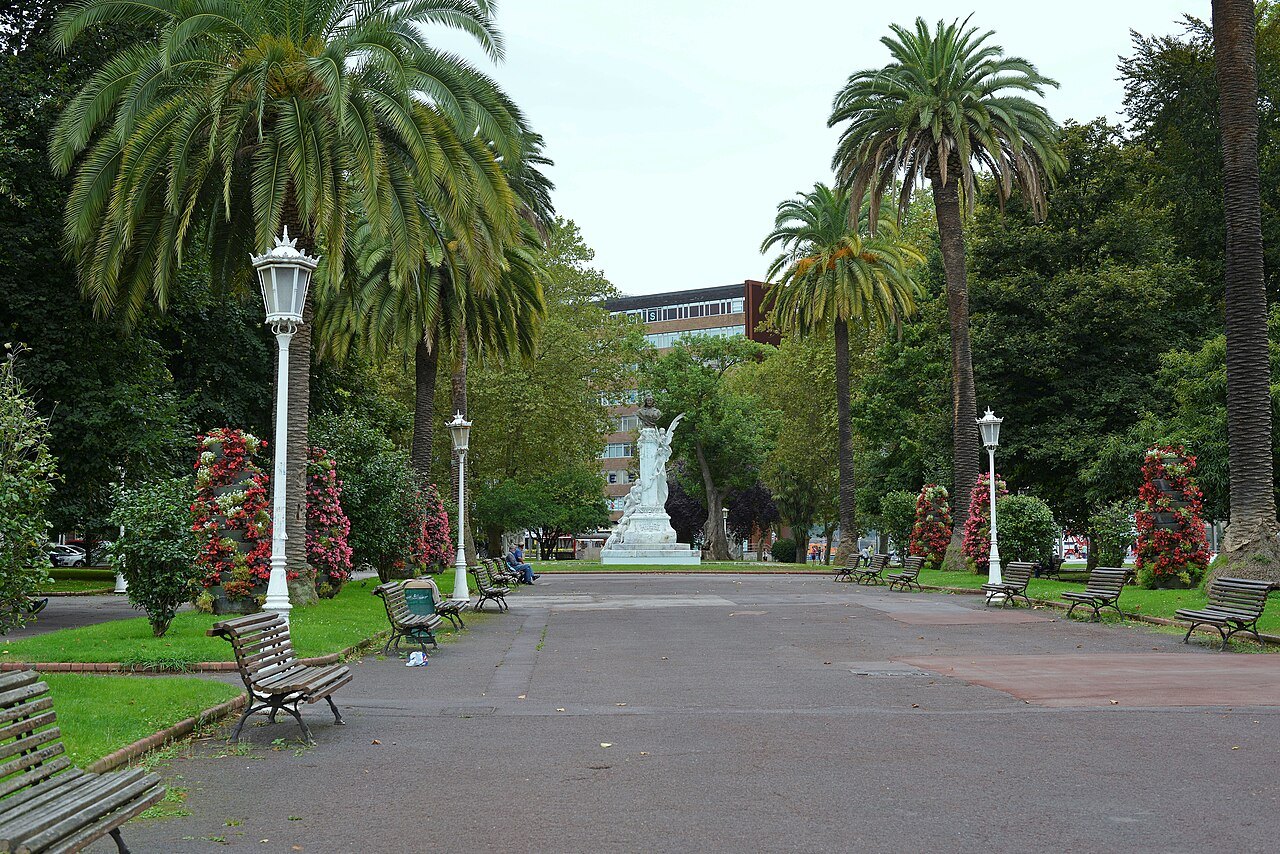
  14. Doña Casilda Park
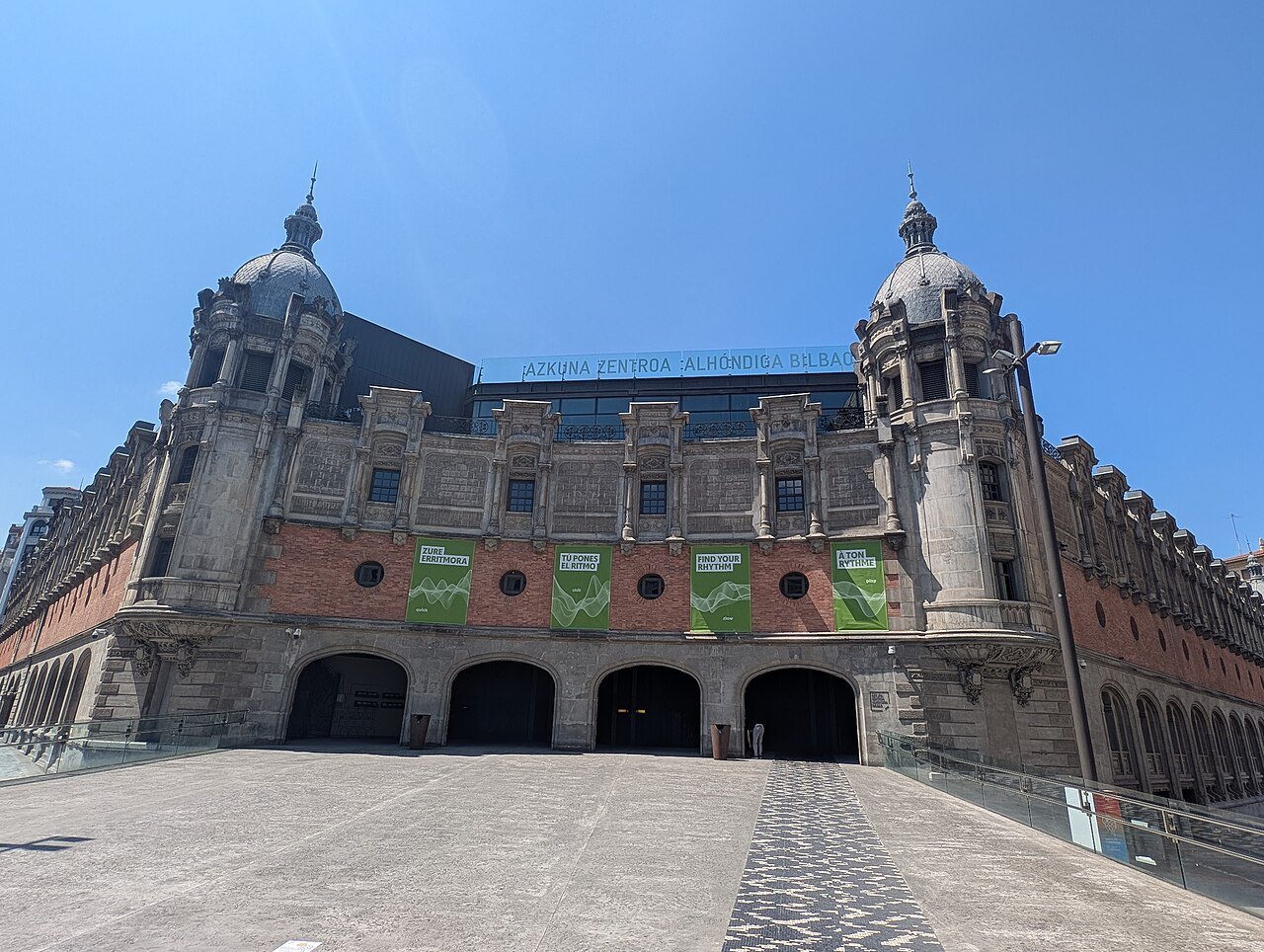
  15. Azkuna Zentroa
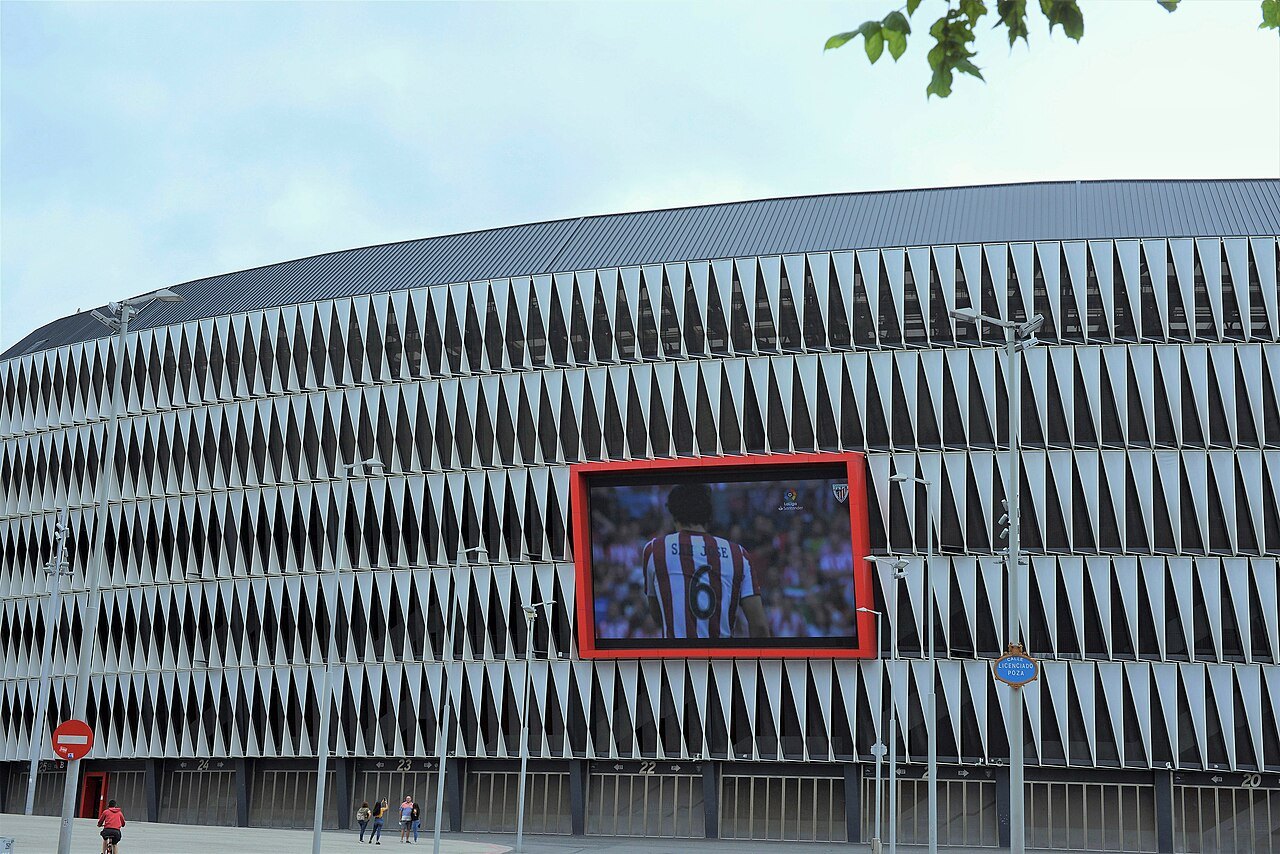
  16. San Mamés
  17. Artxanda and Its Funicular
  18. The Ría
  19. The Bizkaia Bridge
  20. Getxo
Schematic, not to scale, north at the top — the Ría entering from the south-east past the old town, turning at the Arenal and running out past the museum toward the sea; the dotted line is the walk below, the numbered diamonds the sights. The Bizkaia Bridge and Getxo stand at the river mouth, drawn in the inset.

A walk down the river

Six stops, downstream

From the Ribera market, through the Seven Streets and the arcades of the Plaza Nueva, along the right bank and over Calatrava's footbridge to the Guggenheim: six stops, always downstream.

RIGHT BANK · THE OLD TOWNCAMPO VOLANTÍNTHE RÍA, FLOWING THIS WAY →LEFT BANK · ABANDOIBARRA1Ribera Market2Santiago Cathedral3Plaza Nueva4Teatro Arriaga5Zubizuri6Guggenheim
Schematic, not to scale: the walk downstream from the Ribera market to the Guggenheim.
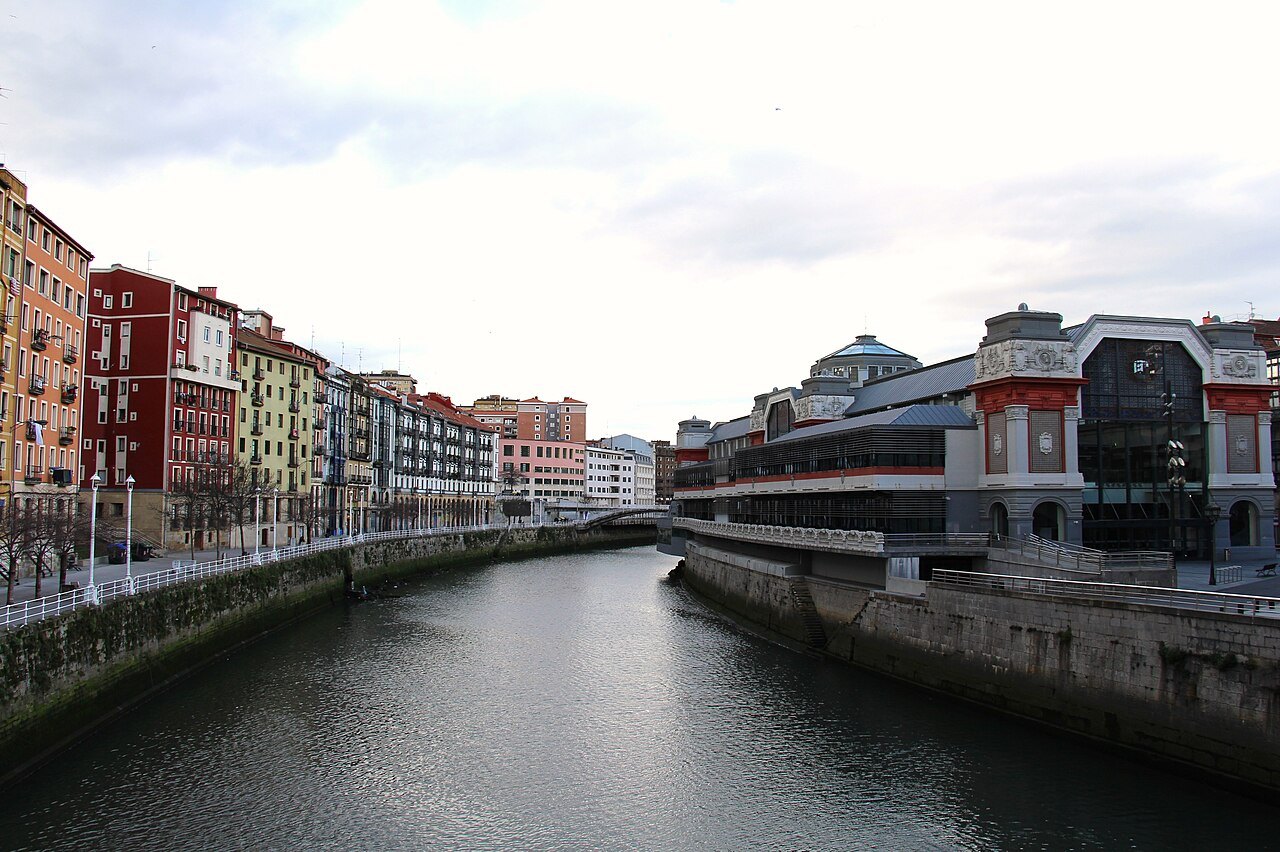
The Ribera market's long front on the right bank, at the upstream end of the Ría
Casco Viejo · right bank

The market by the bridge

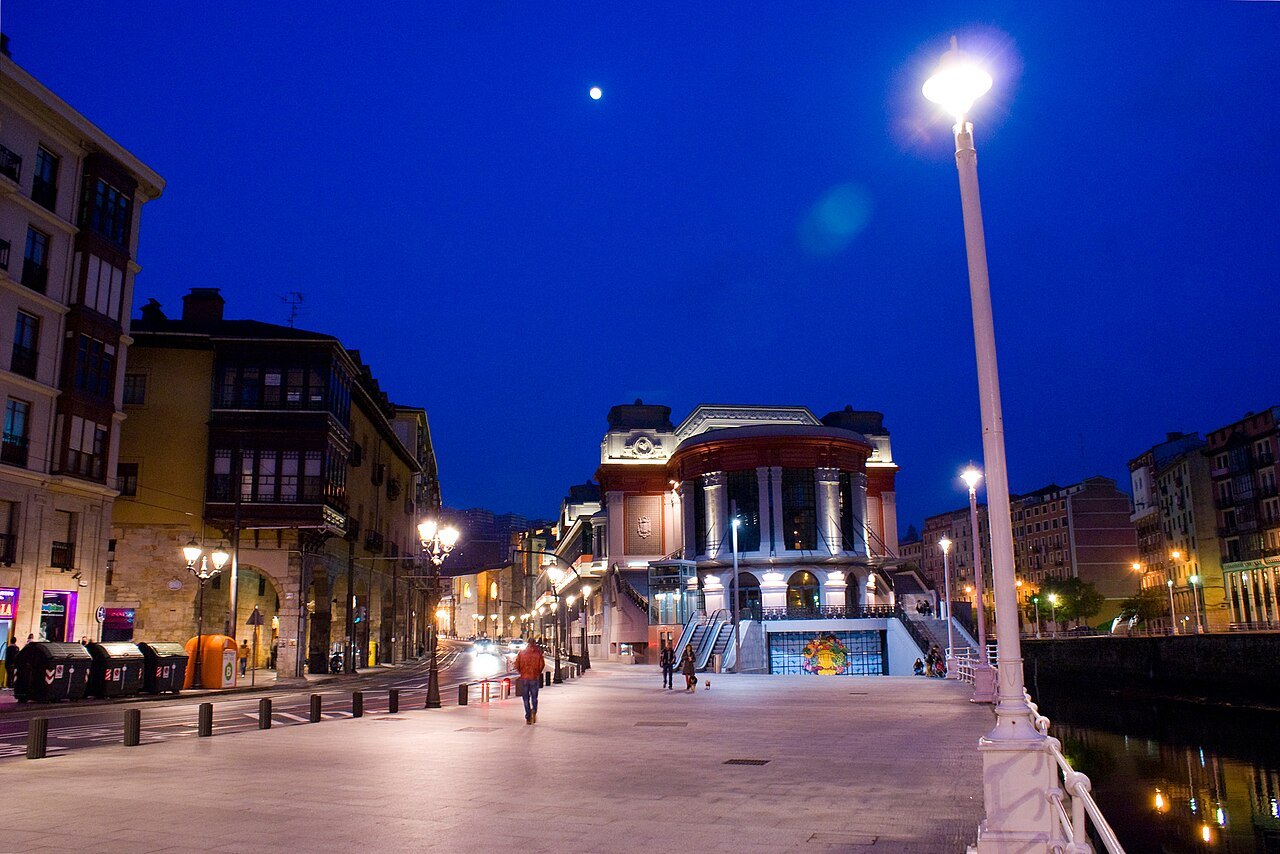
Start on the right bank at the Ribera market, beside the church of San Antón. With 10,000 square meters under one roof it is one of the largest covered markets in Europe, and more than sixty traders sell fish, meat, cheese and vegetables there.
The Ribera market's long front on the right bank, at the upstream end of the RíaFred Romero from Paris, France, Wikimedia Commons, CC BY 2.0
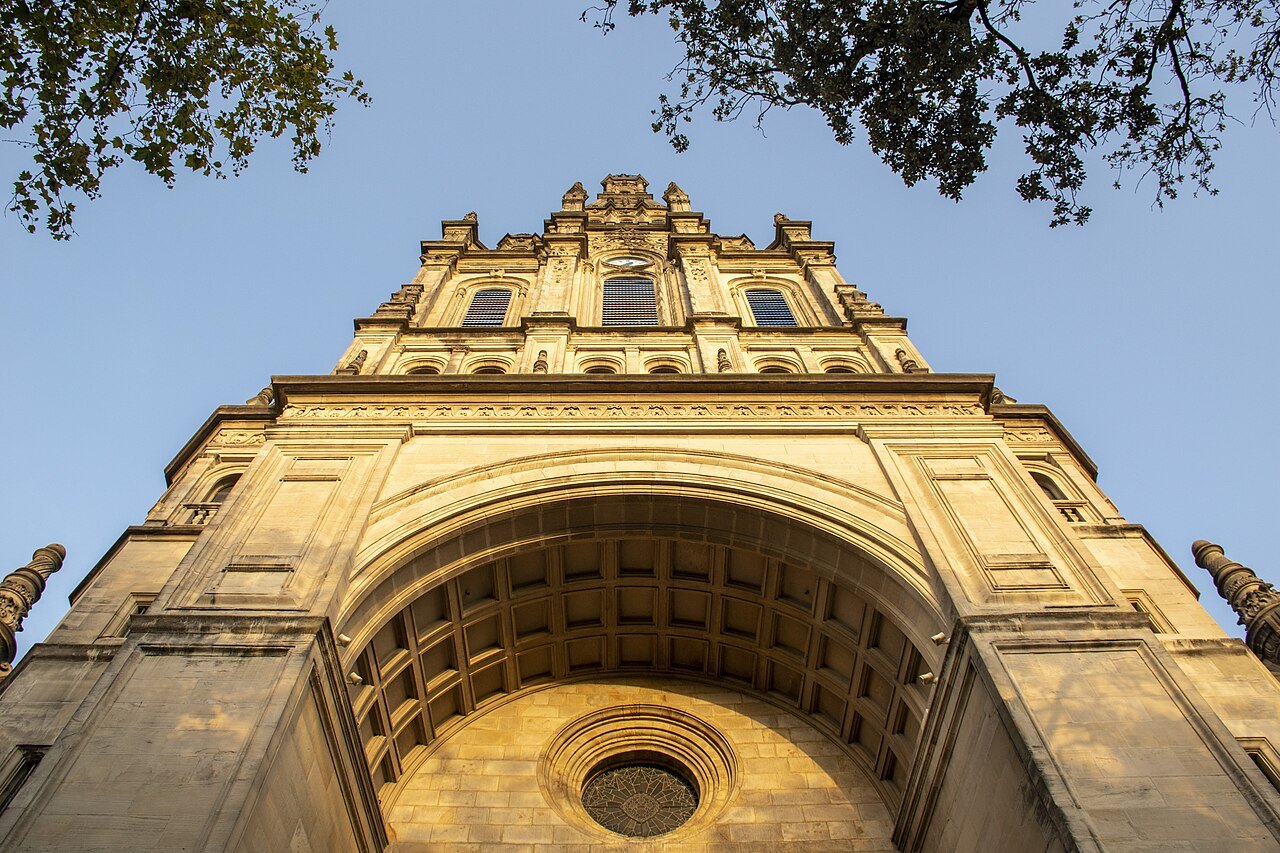
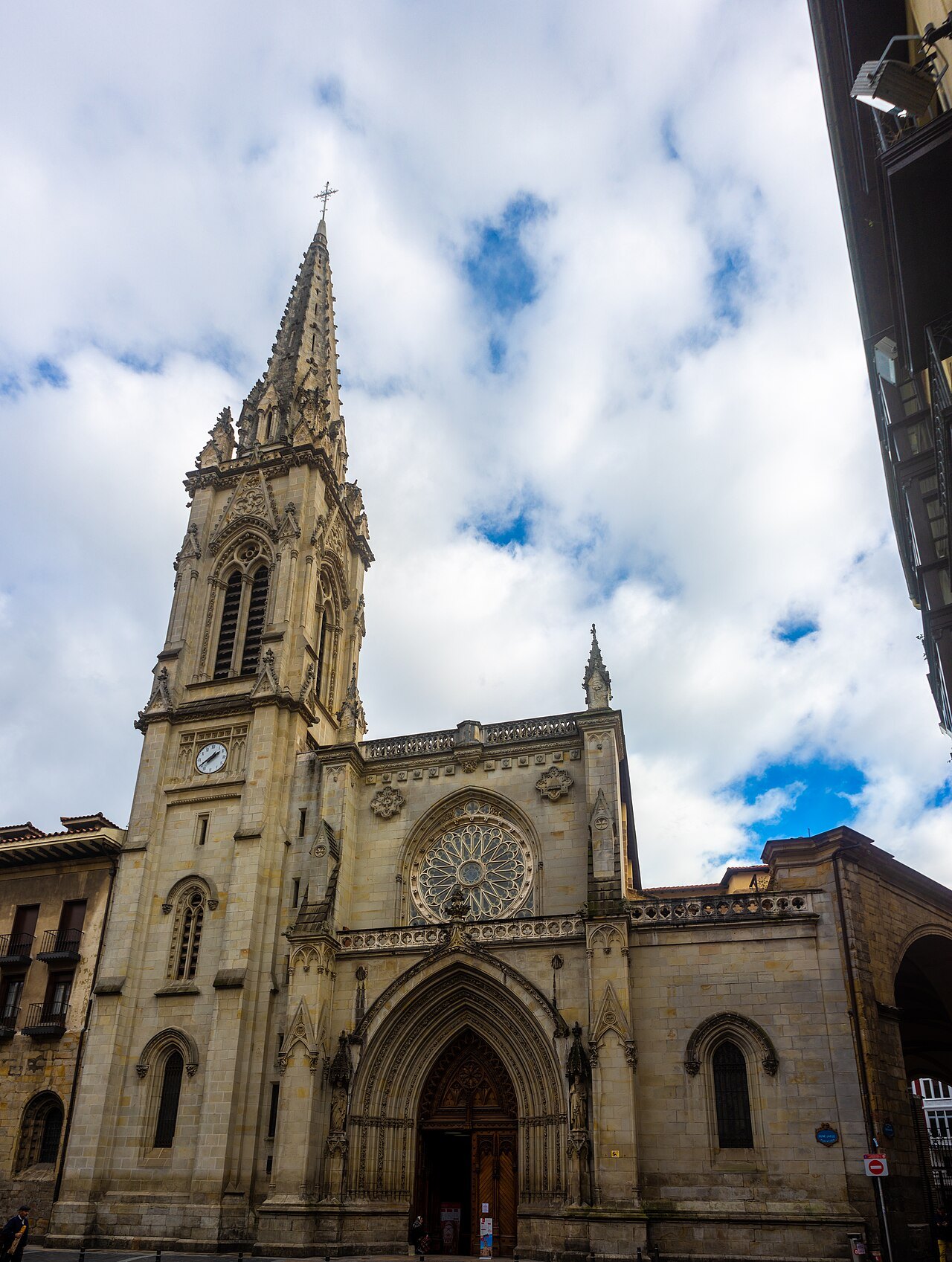
Santiago Cathedral's west front and spire, closing a lane of the Casco Viejo
Casco Viejo · right bank

The founding church

Turn into the lanes behind it to Santiago Cathedral, the parish church of the founding town, built in the fourteenth and fifteenth centuries on the pilgrims' Northern Way, a cathedral since 1949 and consecrated as one in 1955. Its Gothic cloister survives behind the later façade and tower.

Santiago Cathedral's west front and spire, closing a lane of the Casco ViejoMiguel Mendez, Wikimedia Commons, CC BY 2.0
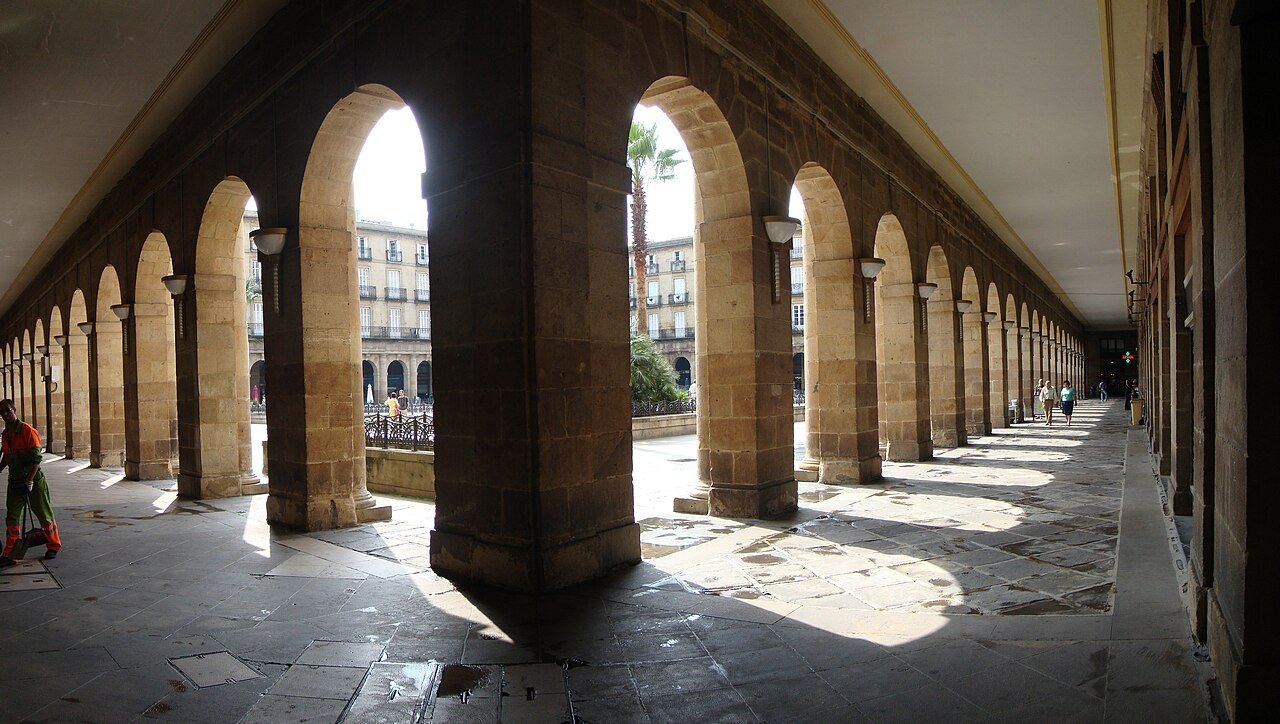
Looking out of the Plaza Nueva's arcades into the square
Casco Viejo · right bank

The arcaded square

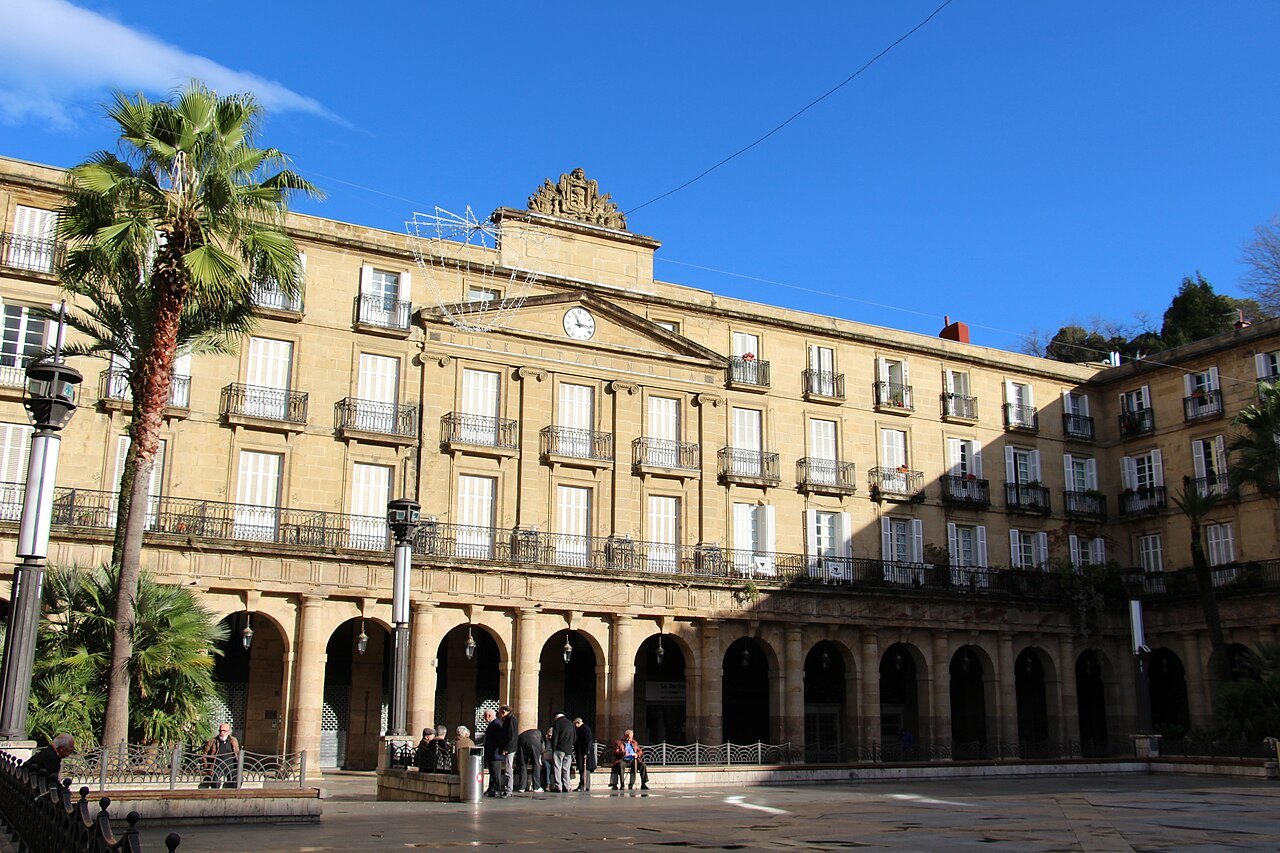
Walk north through the Casco Viejo to the Plaza Nueva, a neoclassical square designed in 1821 and finished in 1851. Its arcades hold some of the city's oldest bars, and on Sundays a flea market fills it.

Looking out of the Plaza Nueva's arcades into the squarePablo Costa Tirado (…, Wikimedia Commons, CC BY-SA 3.0
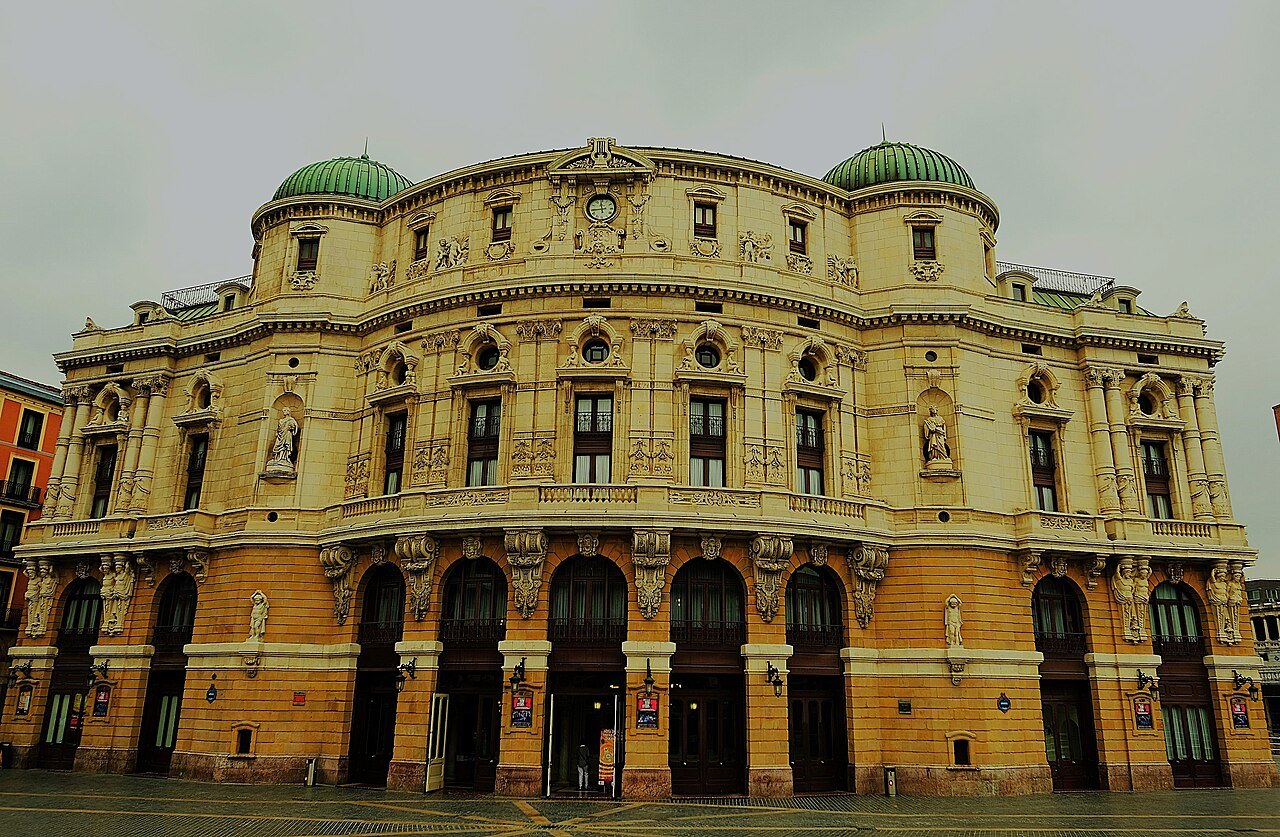
The Teatro Arriaga's Neo-Baroque front and green domes in evening light
El Arenal · right bank

The opera house on the river

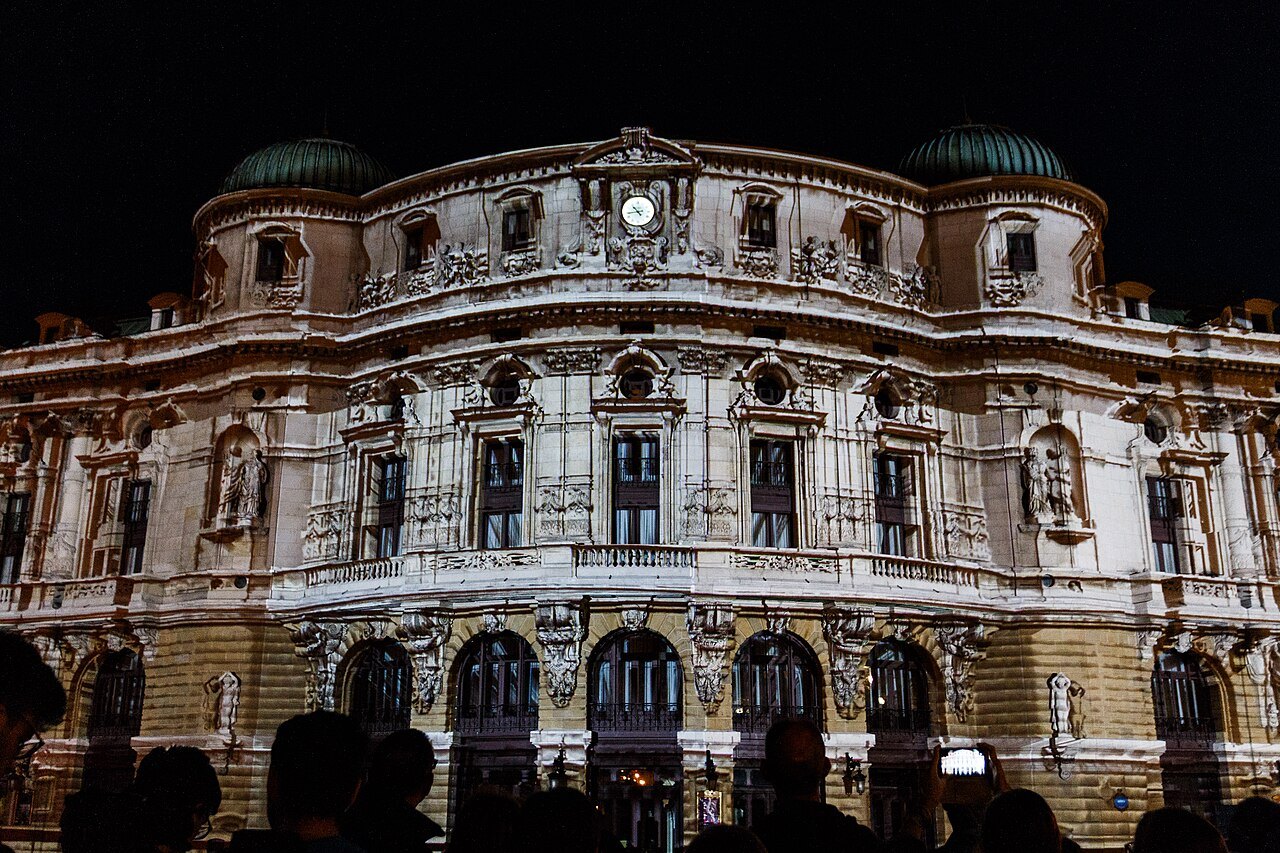
Come out onto El Arenal at the Teatro Arriaga, built by Joaquín Rucoba in 1890 in the Neo-Baroque style and named after the composer Juan Crisóstomo de Arriaga.

The Teatro Arriaga's Neo-Baroque front and green domes in evening lightHACERCANDOME, Wikimedia Commons, CC0
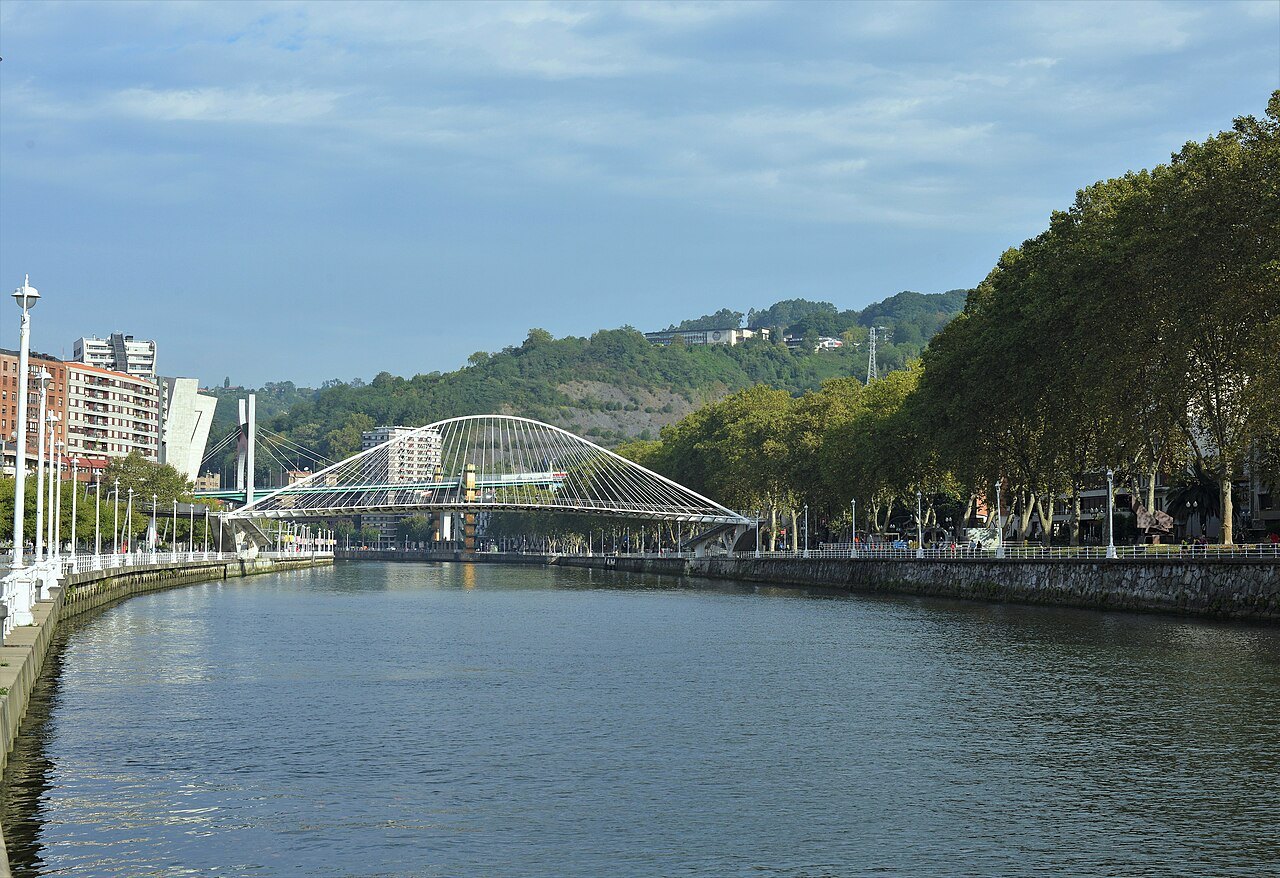
Zubizuri's white arch across the Ría, seen down the right bank
Campo Volantín · Uribitarte

The white bridge

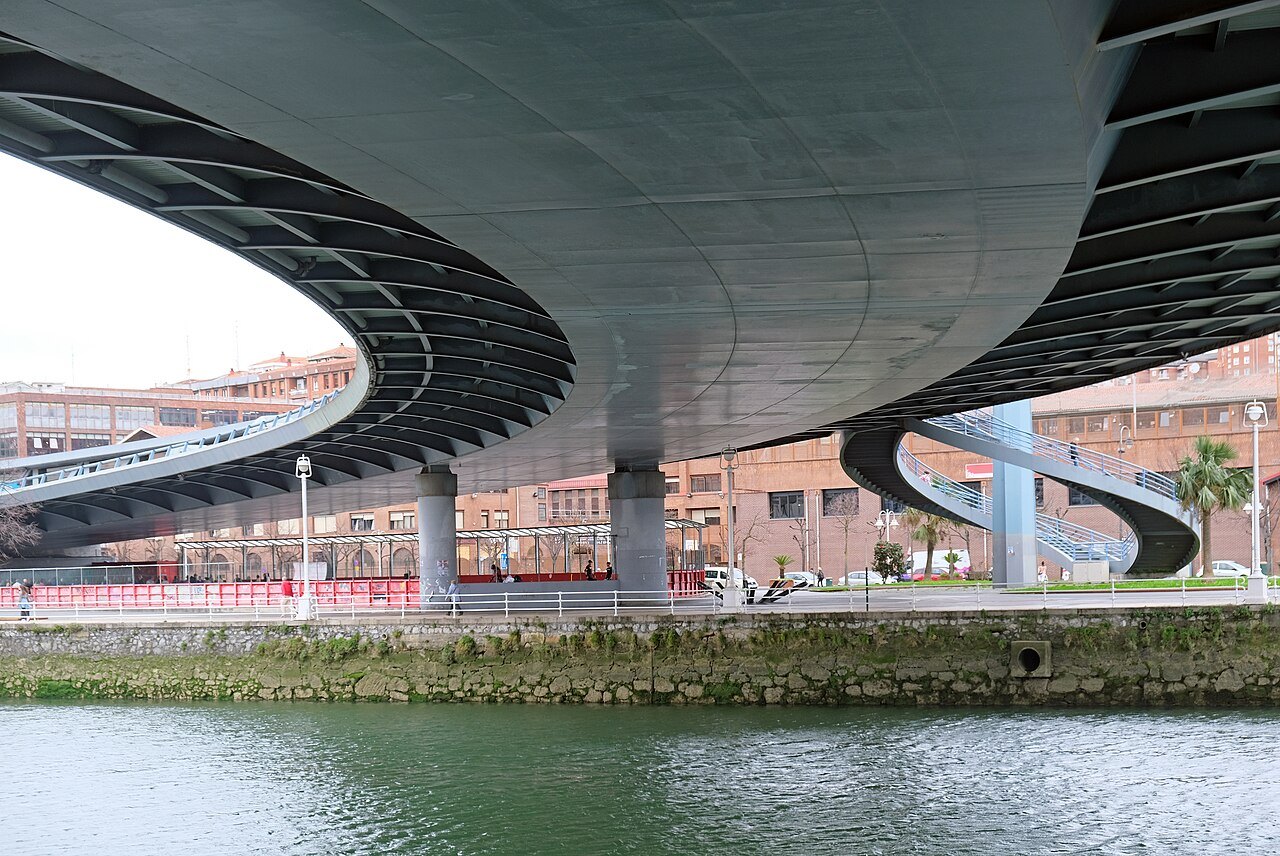
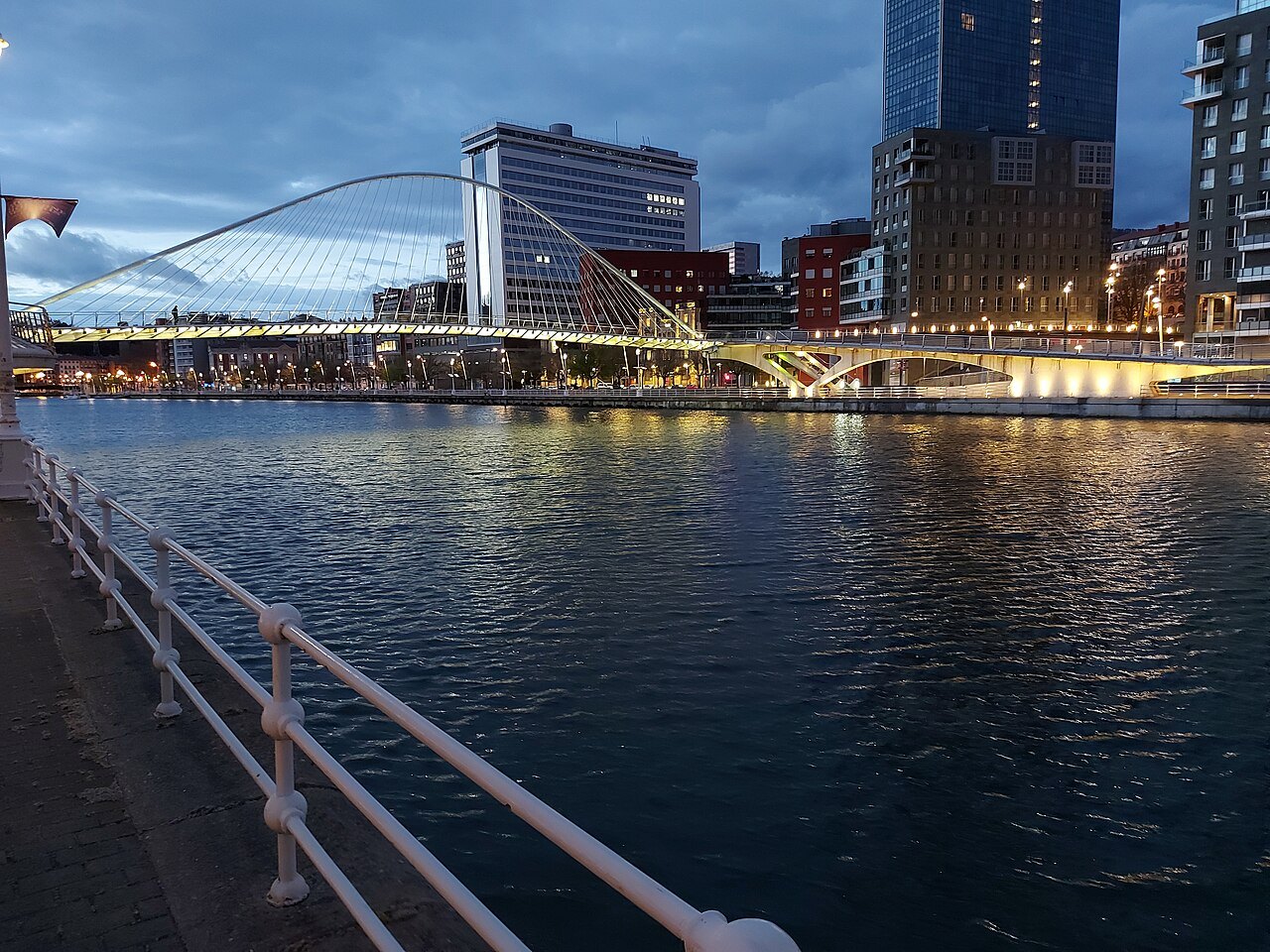
Follow the right bank downstream along Campo Volantín to Zubizuri, Santiago Calatrava's footbridge of 1997 — a curved walkway of glass bricks hung on cables from a single white arch.

Zubizuri's white arch across the Ría, seen down the right bankAlberto-g-rovi, Wikimedia Commons, CC BY 3.0
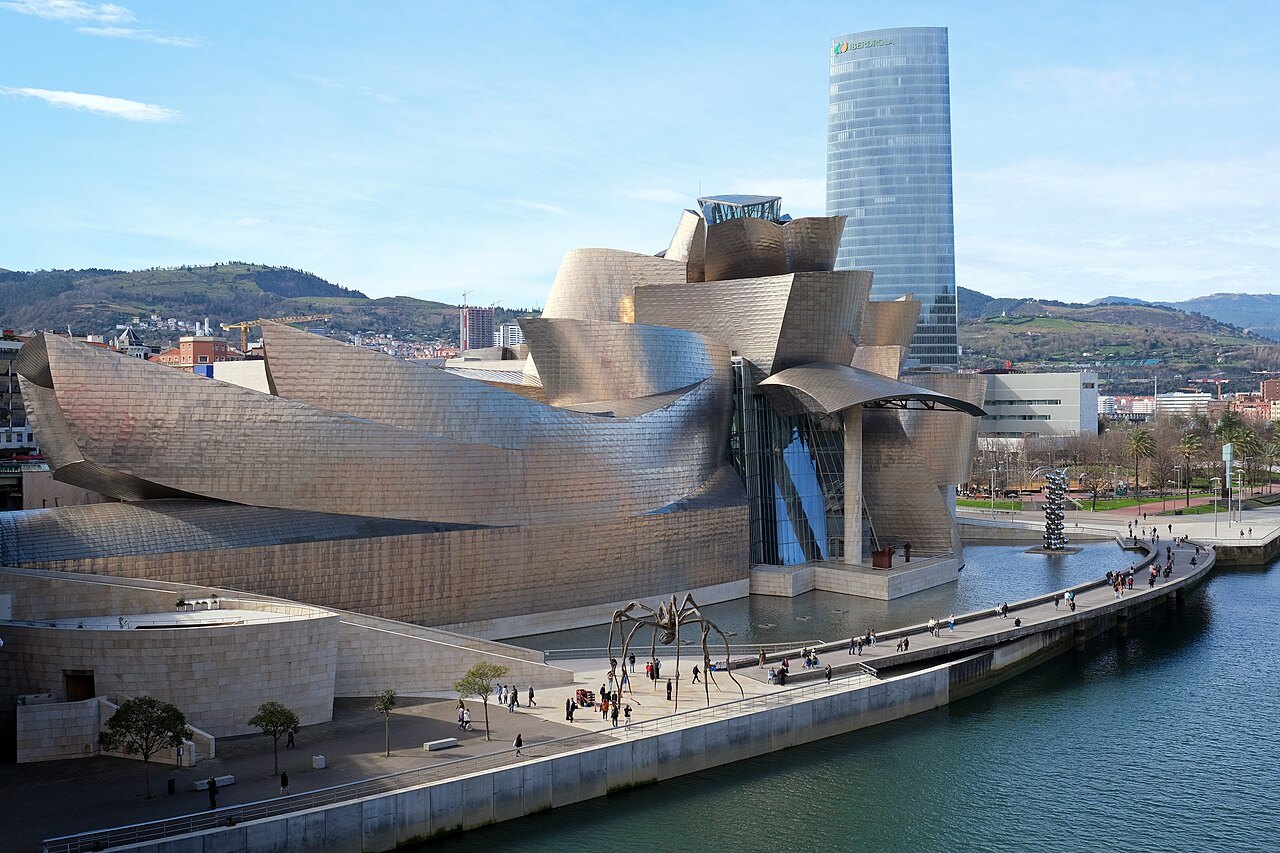
The Guggenheim on the left bank, with the Iberdrola Tower behind it
Abando · left bank

The museum on the old port

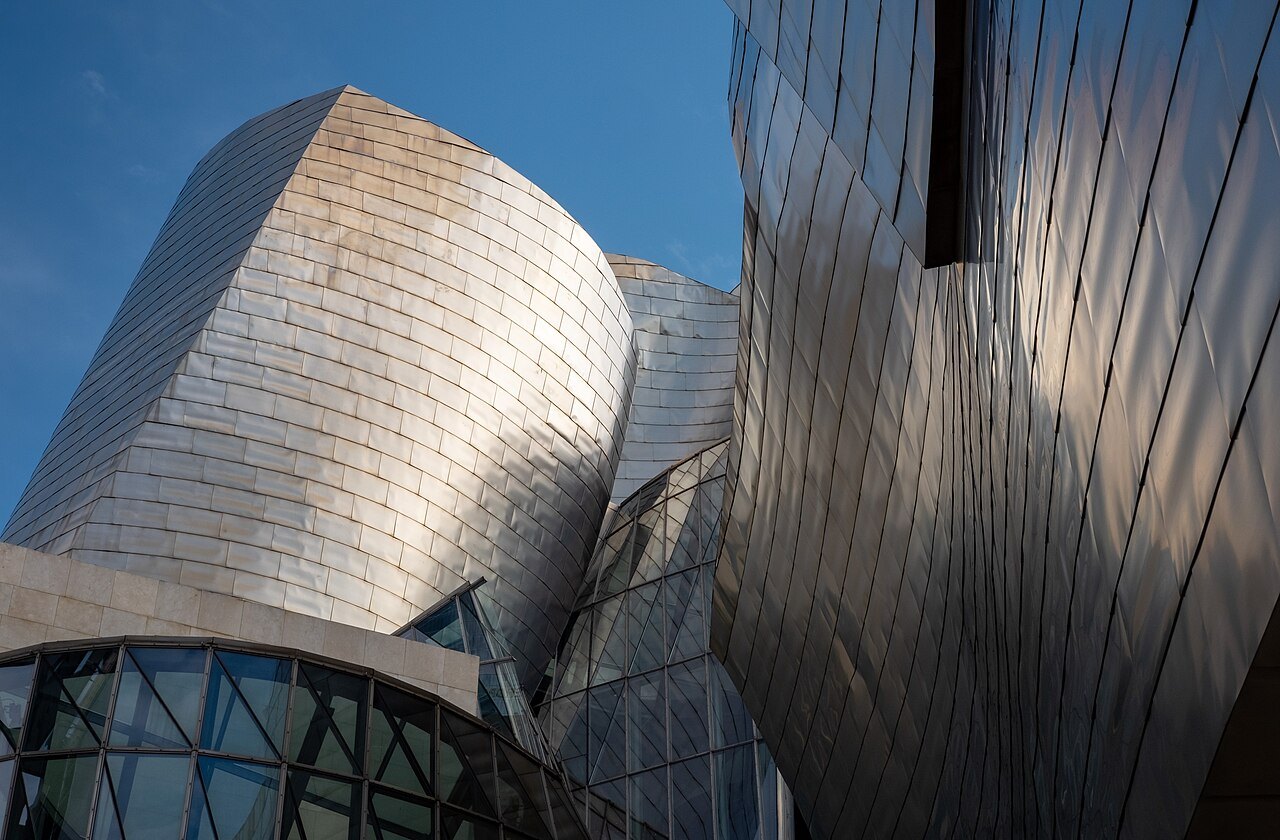
Cross and walk on along the left bank to the Guggenheim, Frank Gehry's museum, inaugurated on 18 October 1997 on what had been the city's run-down port, under the red arch of La Salve Bridge.

The Guggenheim on the left bank, with the Iberdrola Tower behind itkallerna, Wikimedia Commons, CC BY-SA 4.0

The parts of this guide

Eleven parts and a journal

  1. The SightsTwenty places, one page eachThe SightsFrom the Seven Streets to the Bizkaia Bridge: what each one is, what you see there, and where it stands on the river.
  2. Getting HereAn airport over the hill, trains into AbandoGetting HereThe airport at Loiu, the bus station beside San Mamés, the railway termini at Abando and Concordia, and the ferry from Portsmouth at Santurtzi — which to use and how each reaches the center.
  3. Getting AroundOne Metro, one tram, many liftsGetting AroundNorman Foster's Metro stations along both banks, the riverside tram, the buses, the funicular and the public lifts up the hillsides — and why most of the center is a walk.
  4. The TransformationFrom shipyards to a museum cityThe TransformationHow a city of steelworks and shipyards lost its industry in the 1980s and rebuilt its riverfront around a museum, a Metro and a set of new bridges — and what to look at to see it.
  5. BasqueEuskara, and the signs in two languagesBasqueBasque is co-official with Spanish here: what it is, why the street signs are in both, the words you will meet on menus and maps, and the academy that keeps the language on the Plaza Nueva.
  6. Booking AheadA museum, an opera season and a stadiumBooking AheadWhat genuinely needs a ticket in advance — the Guggenheim on busy days, the opera season at the Euskalduna, a match at San Mamés — and what never does.
  7. When to ComeRain from October to April, Aste Nagusia in AugustWhen to ComeAn oceanic climate with rain in every month and the wettest in November, the great August festival, and the quieter months — season by season.
  8. Eating & DrinkingPintxos, bacalao and txakoliEating & DrinkingThe Basque table as Bilbao eats it: pintxos on a bar counter, salt cod in its Biscayan ways, txakoli and the Ribera market — what each is and where it is still served.
  9. Where to StayThe old town, the Ensanche and the riverfrontWhere to StayThe Casco Viejo, Abando and Indautxu, Deusto across the river, Bilbao La Vieja and the riverfront by the museum — who each suits, how far from the sights, drawn on a map.
  10. ItinerariesOne day, two, three, fiveItinerariesRoutes by the length of your stay, built around the museums' closing days, the funicular and the ride down the Ría to the Bizkaia Bridge.
  11. Day TripsThe coast and the Basque townsDay TripsGernika and its oak, Gaztelugatxe on its rock, Mundaka's river mouth, Donostia, Vitoria-Gasteiz and the vineyards of the Rioja Alavesa — each a train, a bus or a drive away.
  12. The JournalQuestions answered at lengthThe JournalVisitor questions about Bilbao, answered in full, with new pieces as they are written.

All twenty sights

Grouped by where they stand on the river, from the old town downstream to the Bizkaia Bridge and the sea.

The Seven Streets

The old town on the right bank, where the city began in 1300

  1. The Casco ViejoIbaiondo · right bankThe Casco ViejoThe oldest quarter and the town's original core: the Seven Streets, Zazpikaleak in Basque.
  2. Santiago CathedralCasco Viejo · right bankSantiago CathedralThe Gothic parish church of the founding town, built in the fourteenth and fifteenth centuries; a cathedral since 1949.
  3. Plaza NuevaCasco Viejo · right bankPlaza NuevaA neoclassical arcaded square designed in 1821 and inaugurated in 1851, now the home of the Basque language academy.
  4. The Ribera MarketCasco Viejo · right bankThe Ribera MarketA covered food market on the river beside the church of San Antón, one of the largest in Europe.
  5. Teatro ArriagaEl Arenal · right bankTeatro ArriagaA Neo-Baroque opera house of 1890 on the river, named after Juan Crisóstomo de Arriaga, the Spanish Mozart.
  6. The Basilica of BegoñaBegoña · right bankThe Basilica of BegoñaThe basilica of Our Lady of Begoña, patroness of Biscay: Gothic naves begun in 1511 and a tower of 1907.

Where the shipyards stood

The left-bank riverfront remade since the 1990s

  1. The GuggenheimAbando · left bankThe GuggenheimFrank Gehry's museum of modern and contemporary art on the Nervión, opened on 18 October 1997 in the old port area.
  2. AbandoibarraAbando · left bankAbandoibarraThe old docks below the Ensanche, rebuilt since the 1990s around the museum and the city's tallest tower.
  3. The EuskaldunaAbandoibarra · left bankThe EuskaldunaThe concert hall and conference center of 1999, built on the site of the Euskalduna shipyards.
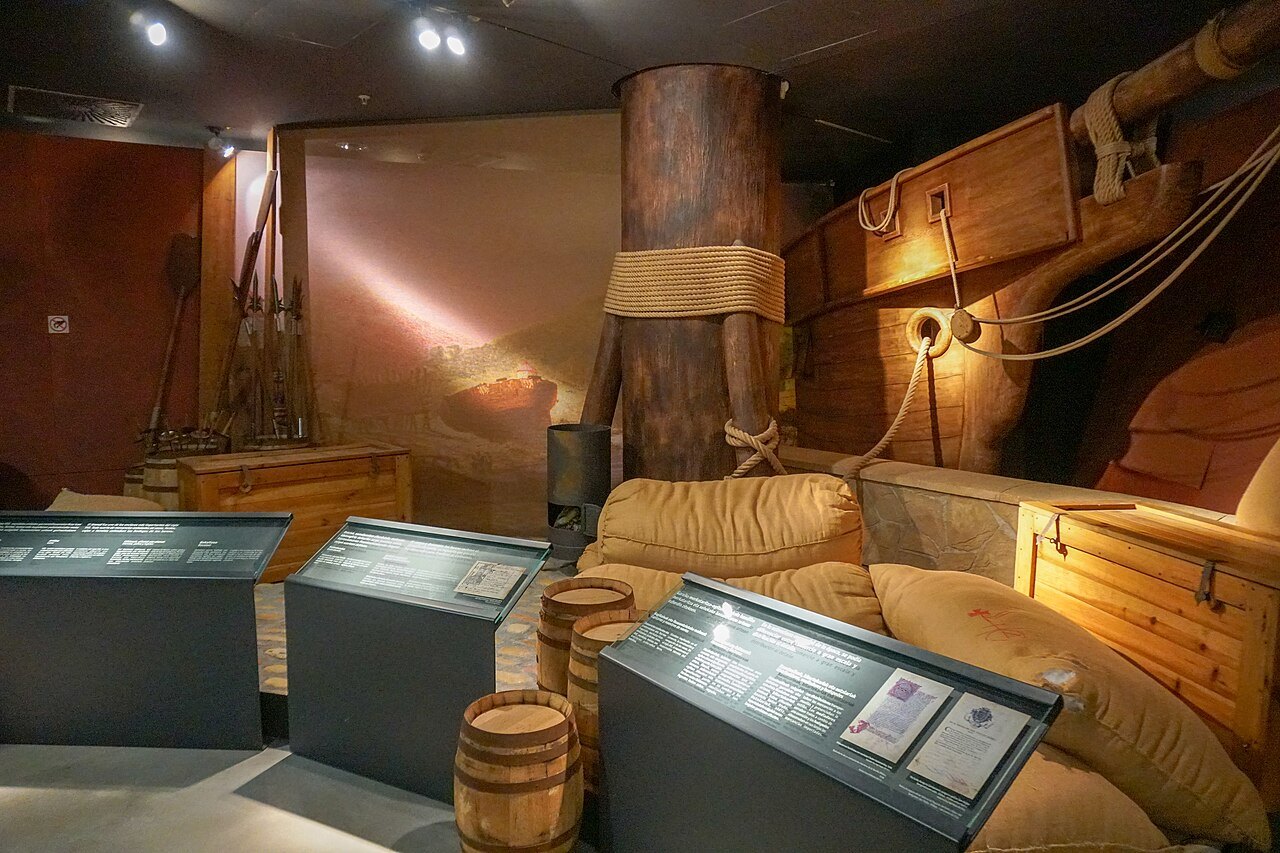
  4. The ItsasmuseumIndautxu · left bankThe ItsasmuseumThe maritime museum on the old Euskalduna shipyard, opened in 2003, with the dry docks and the Carola crane.
  5. ZubizuriCampo Volantín · UribitarteZubizuriSantiago Calatrava's white footbridge of 1997, a curved deck of glass bricks hung from a tilted arch.
  6. La Salve BridgeAbando · Campo VolantínLa Salve BridgeThe bridge where sailors coming upriver first saw the Virgin of Begoña and sang the Salve; opened in 1972.

The Ensanche and the park

The nineteenth-century grid of Abando and Indautxu

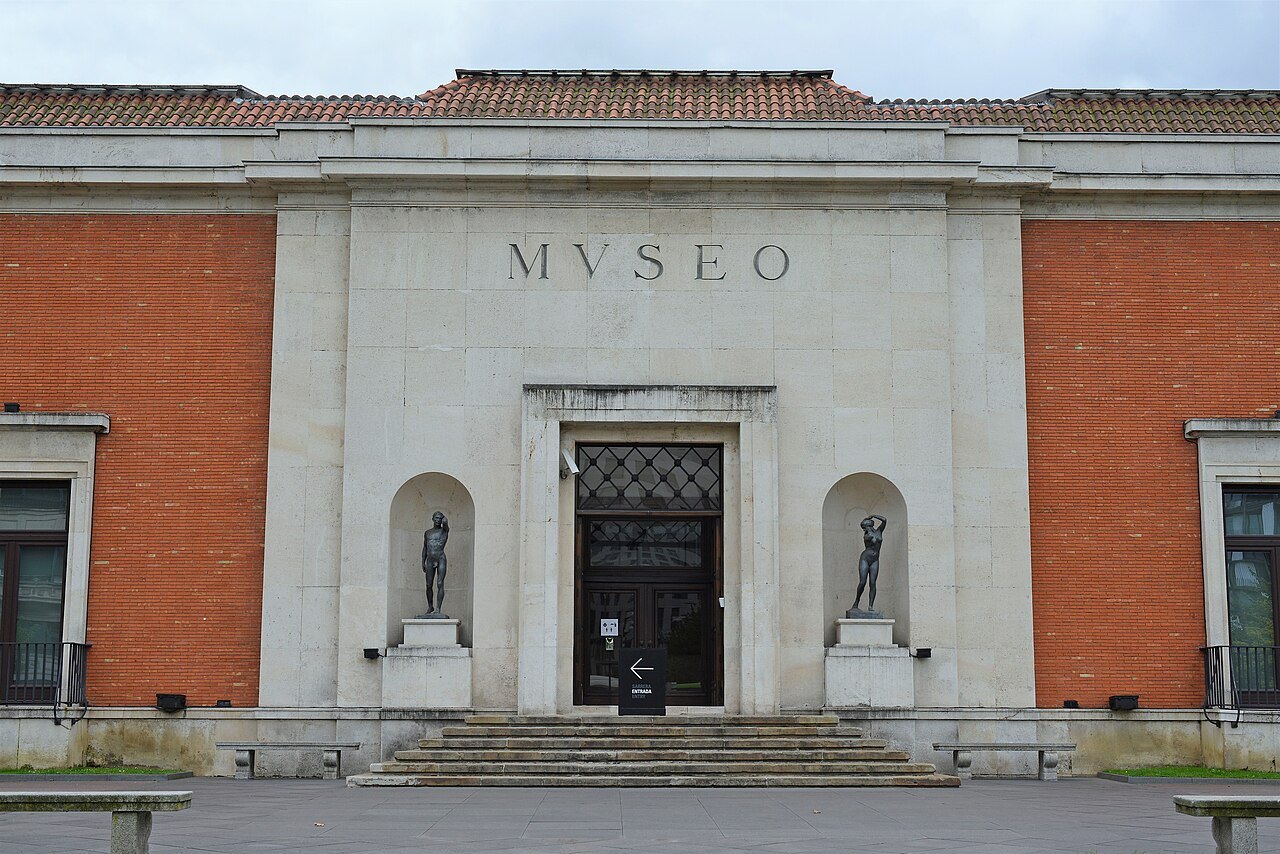
  1. The Fine Arts MuseumDoña Casilda Park · left bankThe Fine Arts MuseumThe second largest museum in the Basque Country, inside Doña Casilda Park: old masters to Basque modern art.
  2. Doña Casilda ParkIndautxu · left bankDoña Casilda ParkAn English-style park given by Casilda Iturrizar, known to everyone as the Duck Park for its pond.
  3. Azkuna ZentroaThe Ensanche · left bankAzkuna ZentroaRicardo Bastida's wine warehouse of 1909, reopened in 2010 as a culture center by Philippe Starck.
  4. San MamésSan Mamés · left bankSan MamésAthletic Club's stadium, inaugurated on 16 September 2013: 53,331 seats, the largest in the Basque Country.

Above the city, down to the sea

The hill on the right bank, then the river's last miles

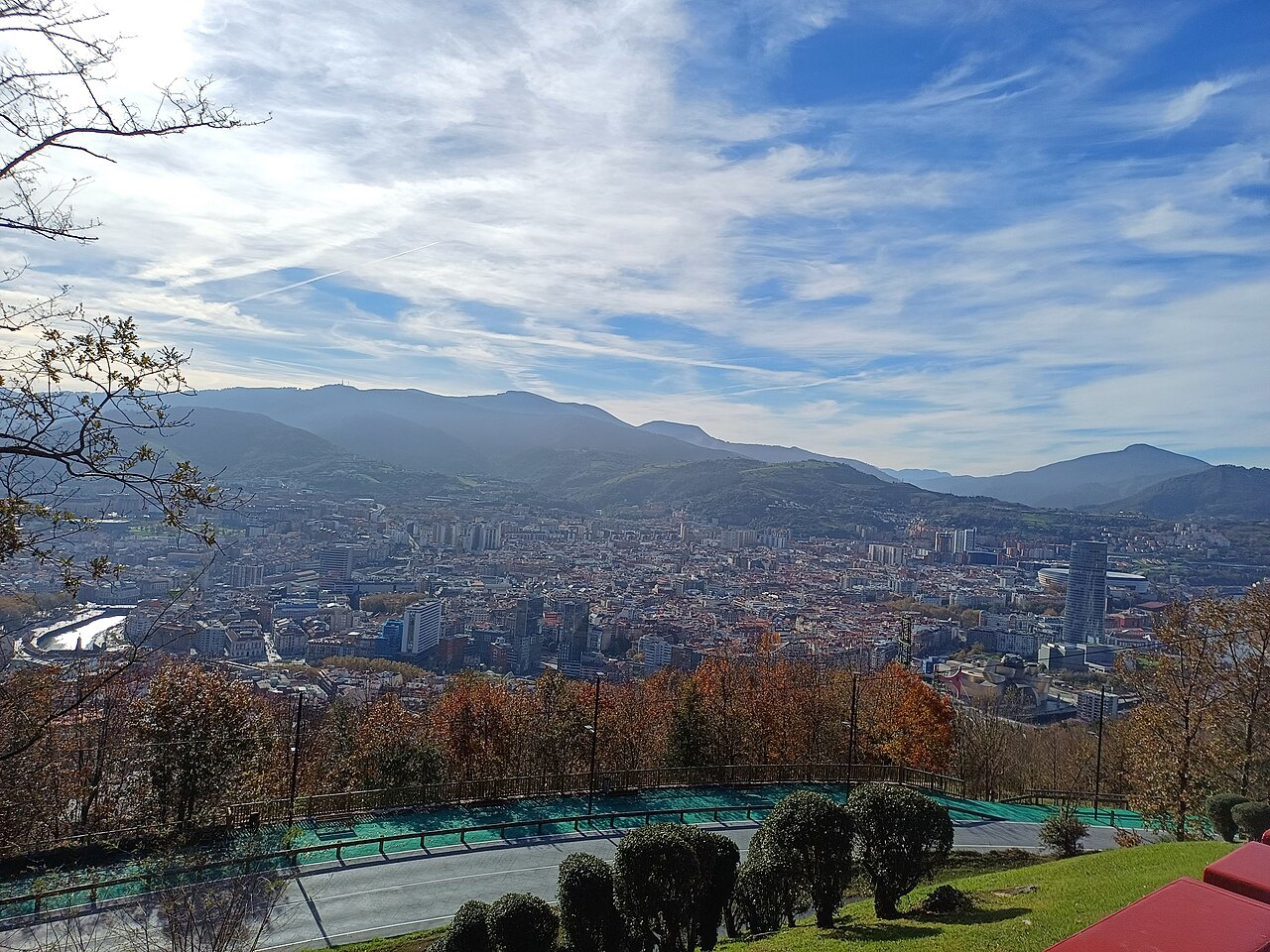
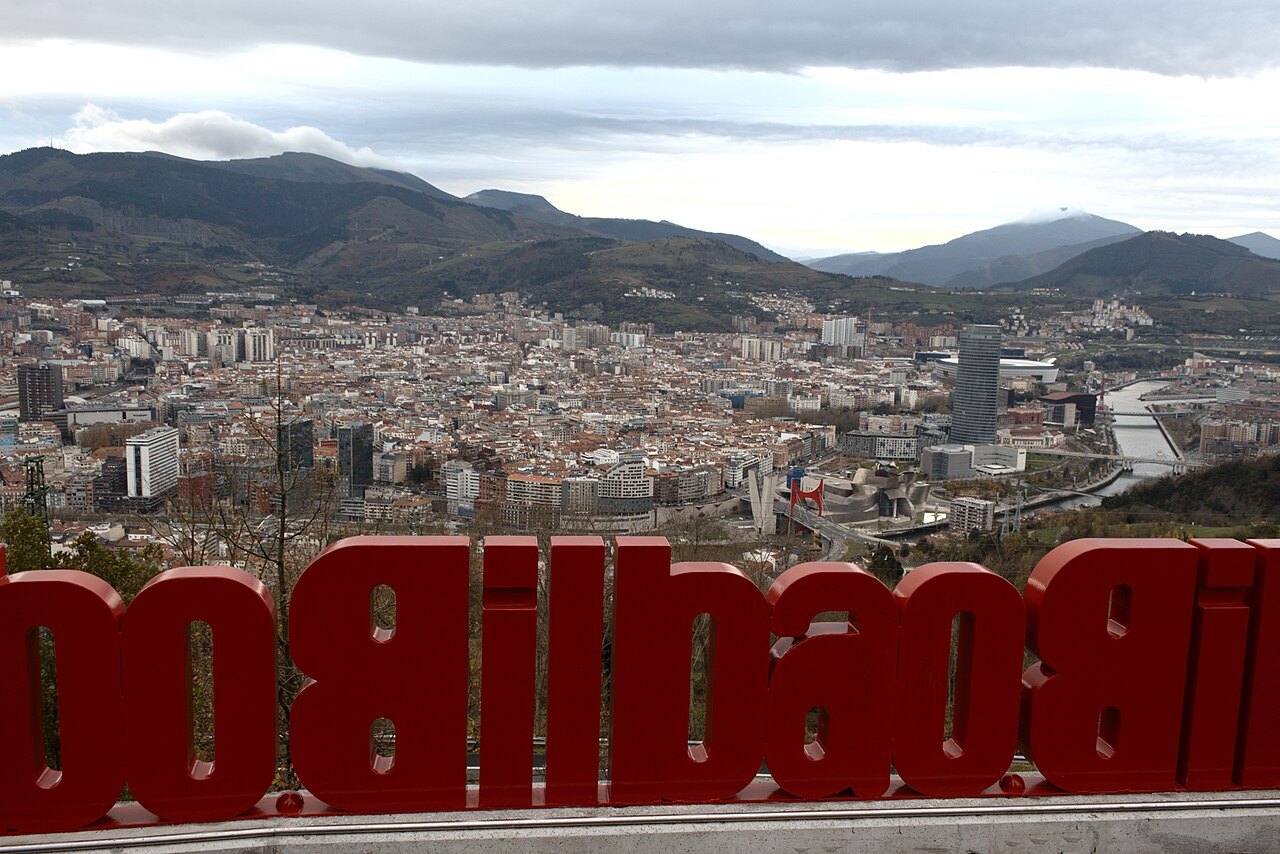
  1. Artxanda and Its FunicularAbove the right bankArtxanda and Its FunicularThe hill above the right bank, reached since 1915 by a funicular, with the whole city laid out below it.
  2. The RíaFrom the Casco Viejo to the AbraThe RíaThe tidal river at the common mouth of the Nervión, Ibaizabal and Cadagua, reaching about ten miles inland.
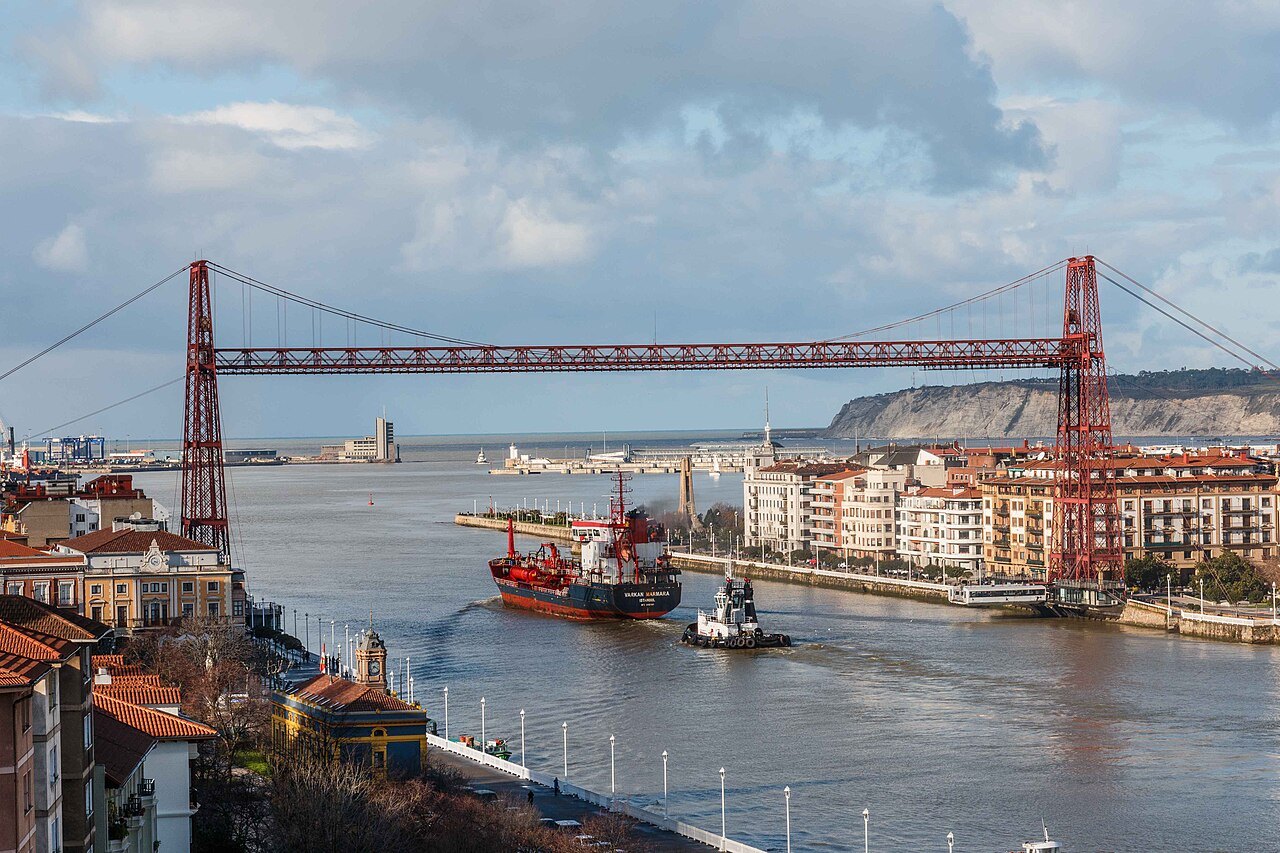
  3. The Bizkaia BridgePortugalete · GetxoThe Bizkaia BridgeThe world's oldest transporter bridge, built in 1893 across the mouth of the river between Portugalete and Las Arenas.
  4. GetxoGetxo · right bankGetxoThe town at the mouth of the Ría: Algorta's old fishing port, the mansions of Neguri and the beaches.