THE BISCAY COAST · THE BASQUE CAPITALS · THE VINEYARDS
Day Trips
Bilbao is a good base for the rest of the Basque Country. Within a train, bus or drive lie Gernika and its oak, the rock of Gaztelugatxe, the estuary of Urdaibai, San Sebastián on its bay, Vitoria-Gasteiz with its two cathedrals, and the vineyards of the Rioja Alavesa.
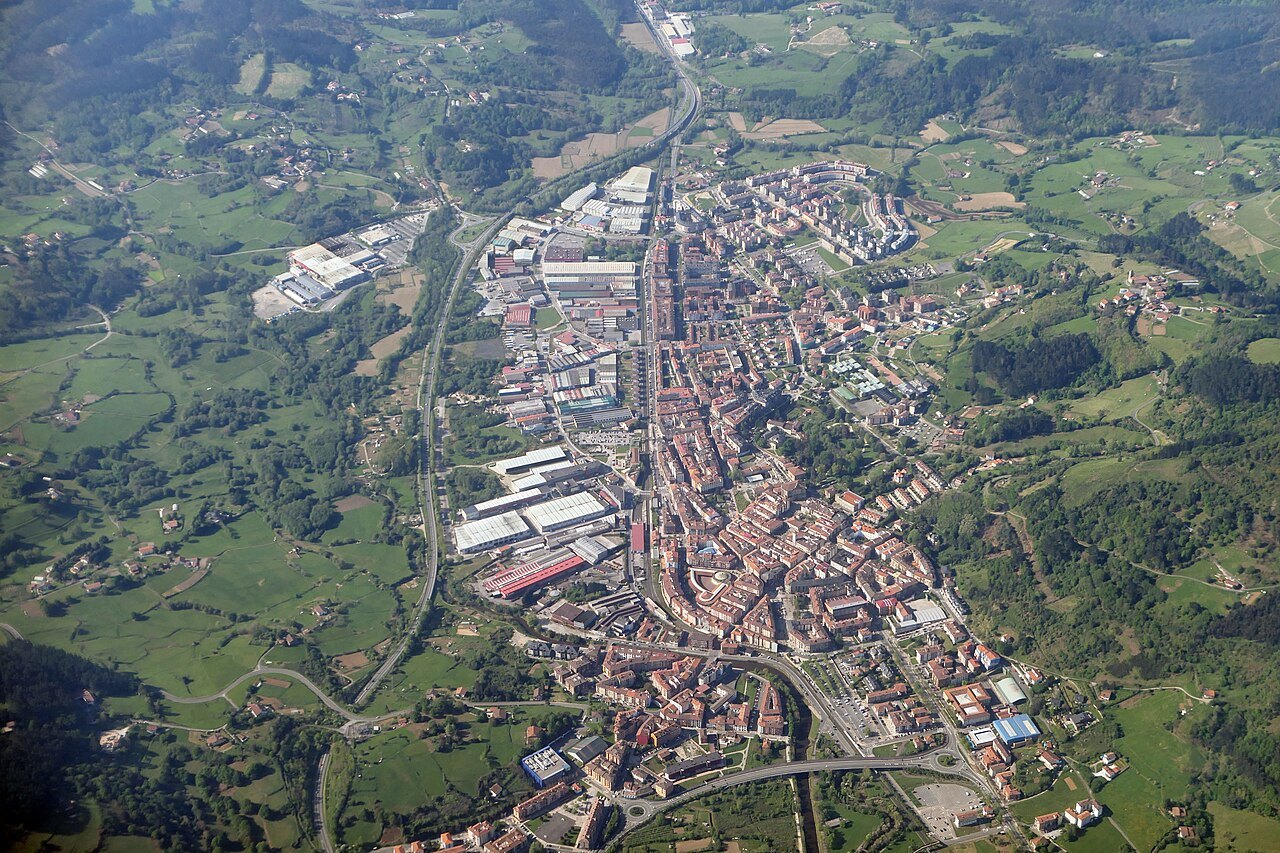
Gernika from the air, the town in its green valleyAdam Cli, Wikimedia Commons, CC BY-SA 4.0Euskotren line E4 from Casco Viejo stationGernikaThe historic town of Biscay's assemblies, with the Tree of Gernika beside the Assembly House, bombed in 1937 and remembered in Picasso's painting.
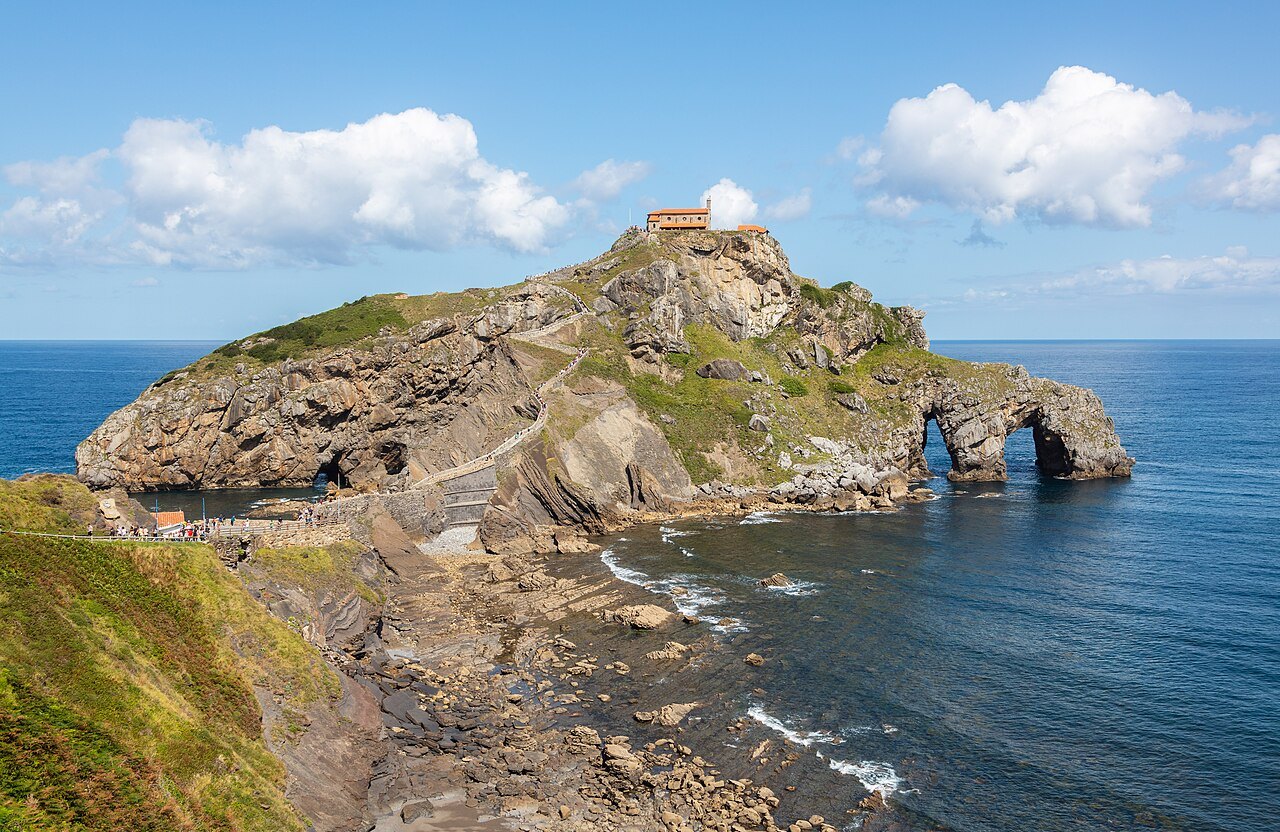
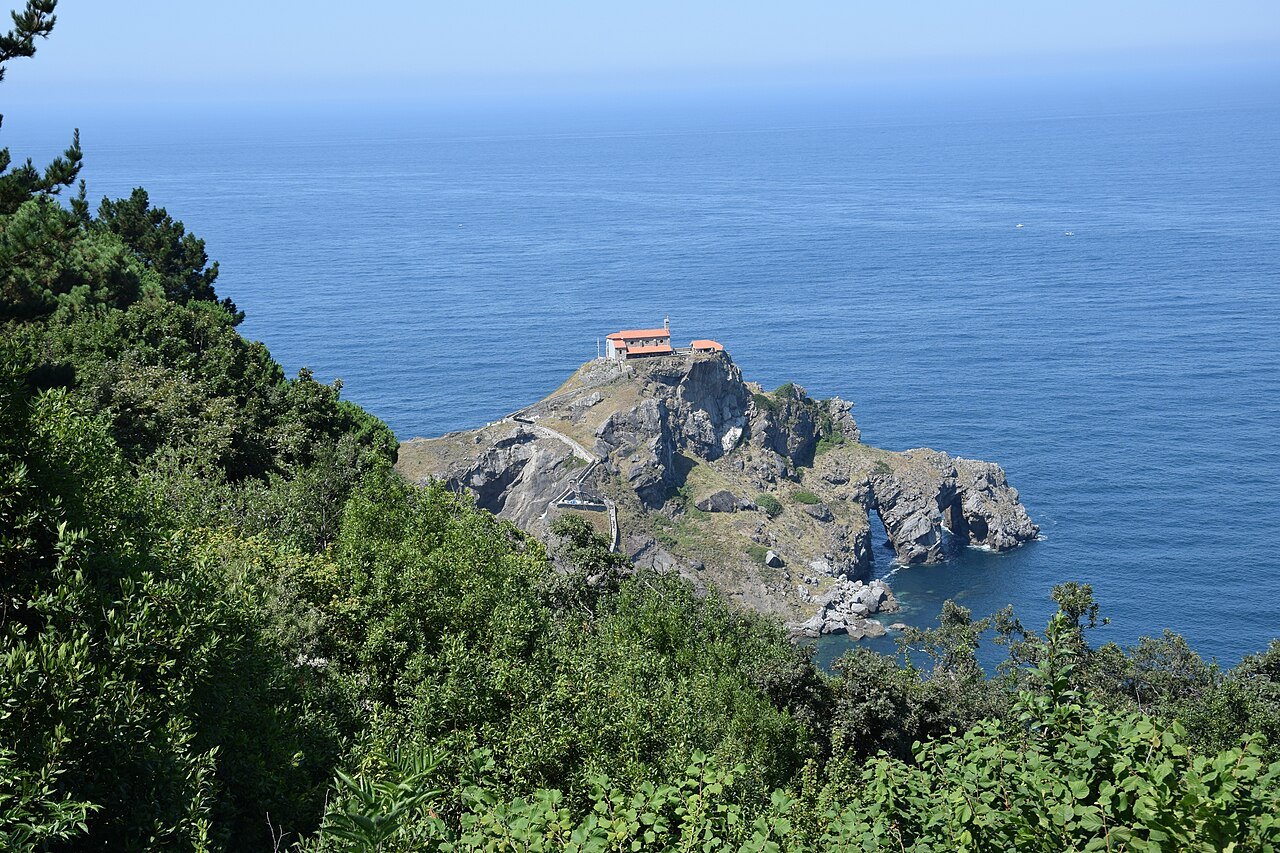
The islet of Gaztelugatxe and its natural arch, the path winding up to the hermitageDiego Delso, Wikimedia Commons, CC BY-SA 4.0By road via Bakio or Bermeo on the coastGaztelugatxeA rocky islet joined to the shore by a stone bridge, with a hermitage of Saint John on top reached by 241 steps.
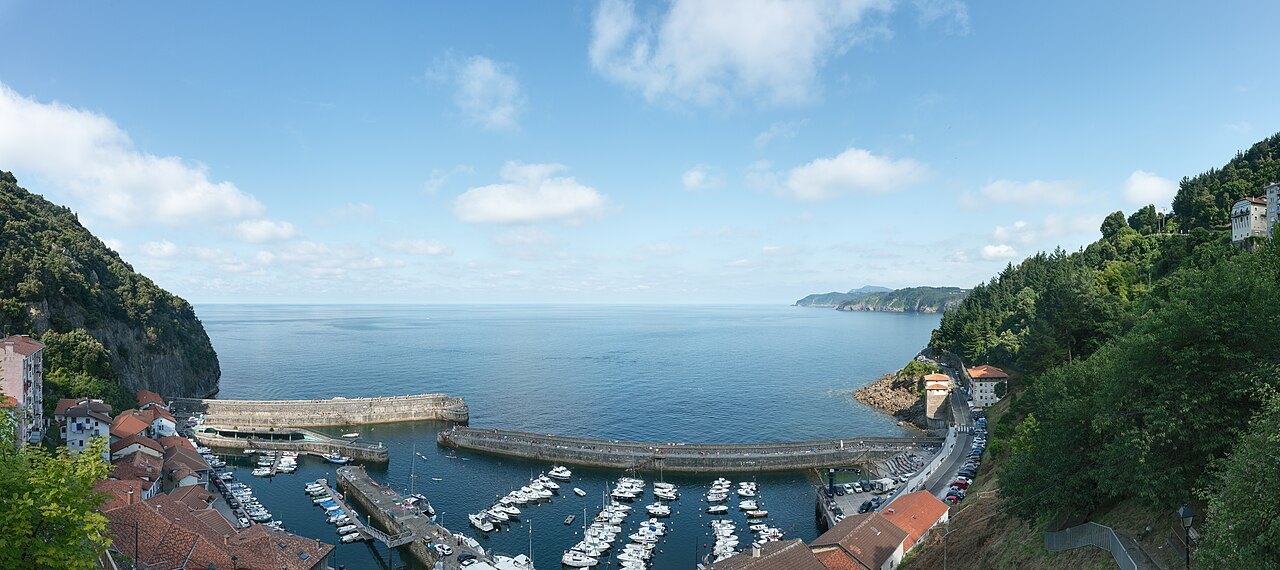
The little harbor of Elantxobe on the Urdaibai coast, the bay beyondGiorgio Galeotti, Wikimedia Commons, CC BY-SA 4.0Euskotren line E4 to Mundaka, beyond GernikaUrdaibai and MundakaA biosphere reserve of salt marsh, cliffs and woods around the Gernika estuary, with the fishing town of Mundaka and its famous surf at the mouth.
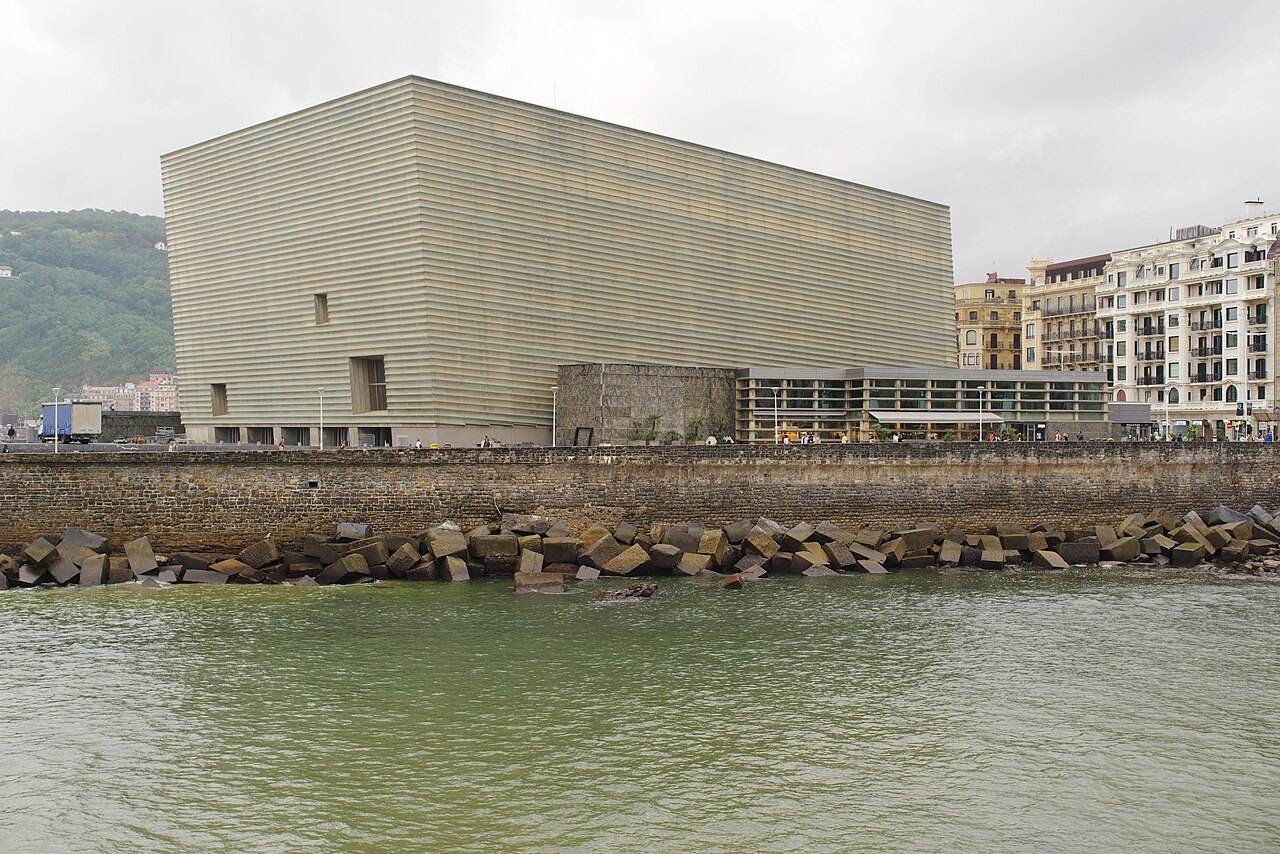
The Kursaal congress center on the river mouth at San SebastiánJavier Perez Montes, Wikimedia Commons, CC BY-SA 4.0Euskotren line E1 from Casco Viejo, or a coach from Bilbao IntermodalSan SebastiánDonostia in Basque: the Belle Époque resort on La Concha bay, its old town packed with pintxo bars and its region famous for Michelin-starred cooking.
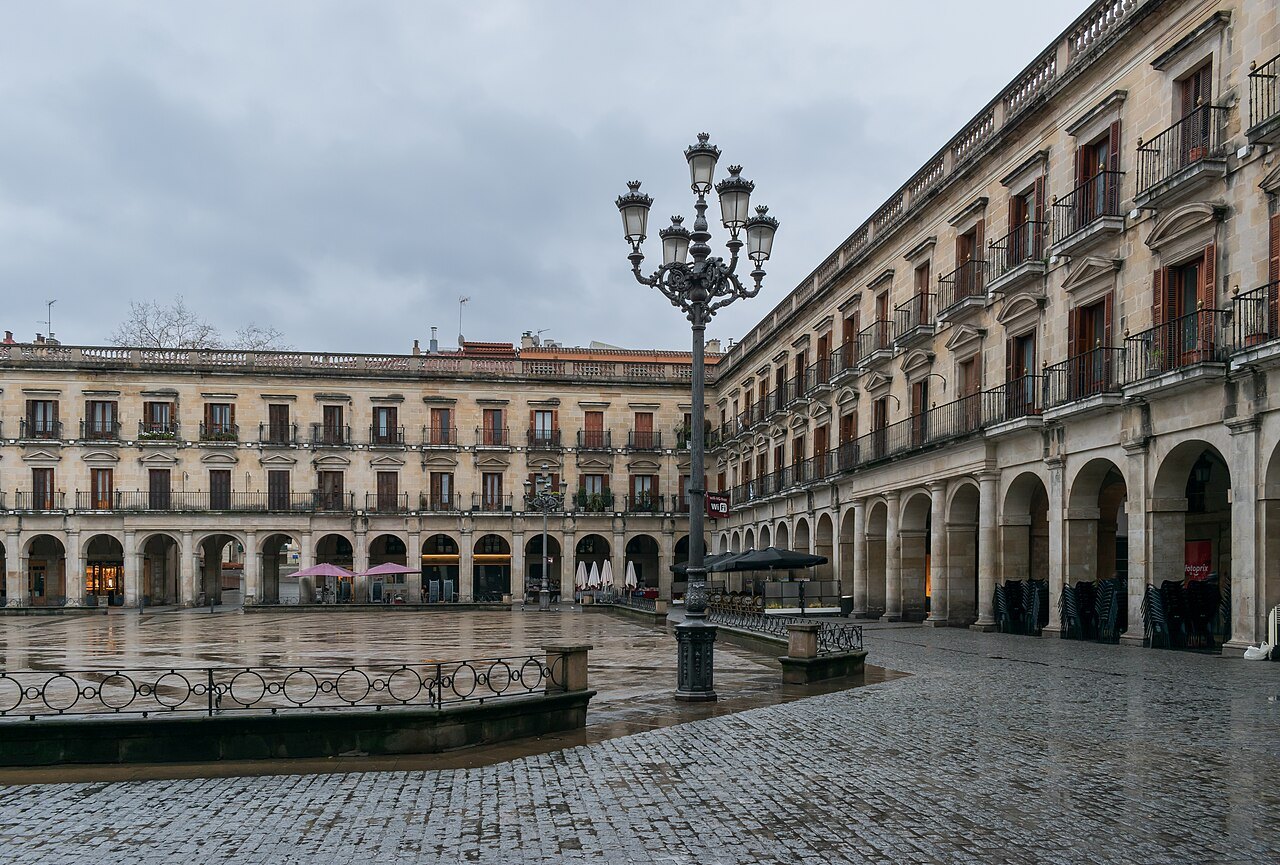
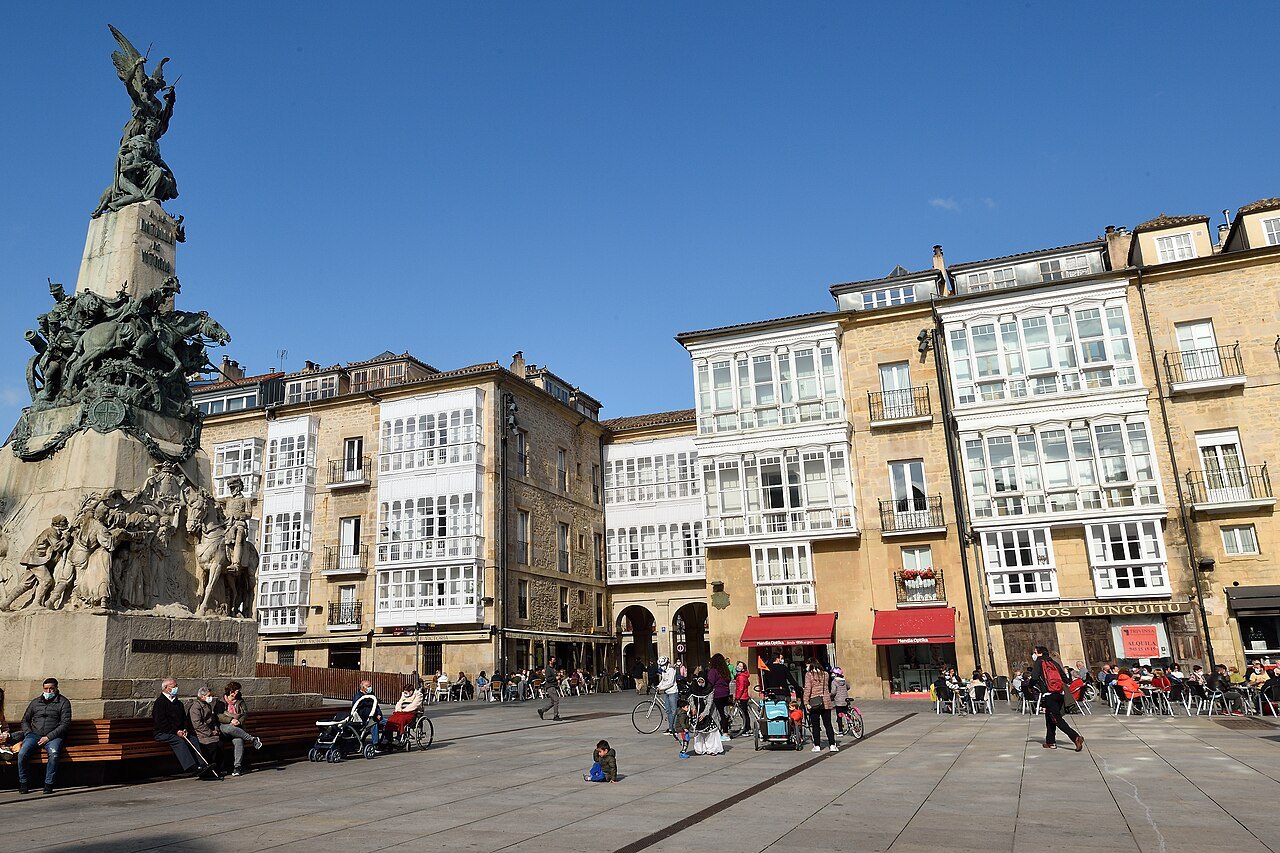
The arcaded Plaza de España in Vitoria-Gasteiz on a wet dayKrzysztof Golik, Wikimedia Commons, CC BY-SA 4.0By coach from Bilbao IntermodalVitoria-GasteizThe seat of the Basque Government, with a medieval old town, two cathedrals and the title of European Green Capital in 2012.
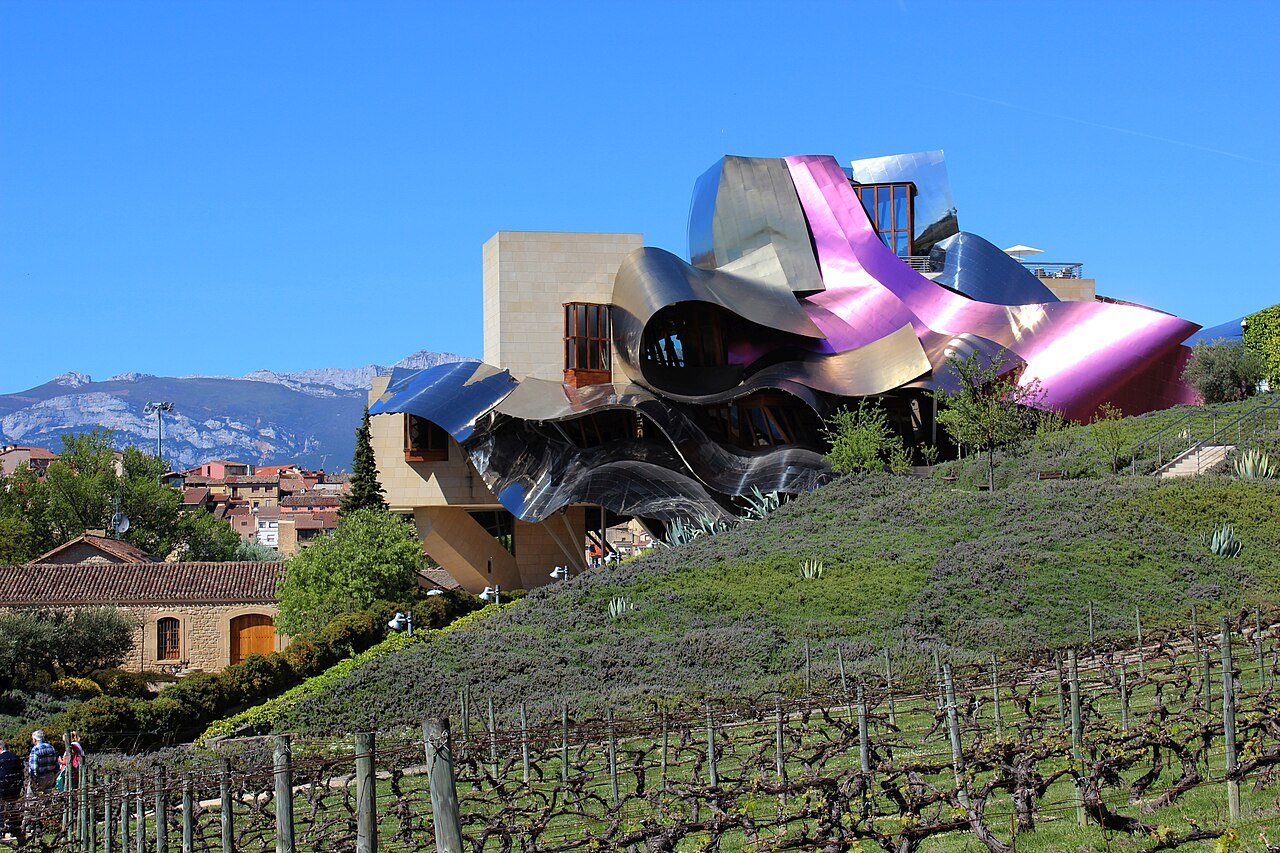
Frank Gehry's Marqués de Riscal hotel among the vines at ElciegoRoderich Kahn, Wikimedia Commons, CC BY-SA 4.0By car, south over the mountains beyond VitoriaThe Rioja AlavesaThe Basque Country's wine region on the Ebro, with the walled hill town of Laguardia and wineries by Gehry and Calatrava.
02
Day Trips
In full
Beyond the city
Bilbao sits in the middle of the Basque Country, and the rest of it is close. Within a day you can reach the cliffs and fishing towns of the Biscay coast, the historic town of Gernika, the two other Basque capitals, San Sebastián and Vitoria-Gasteiz, and the vineyards along the Ebro. Trains run from the old town, coaches from the Intermodal bus station, and a car opens up the coast and the wine country.
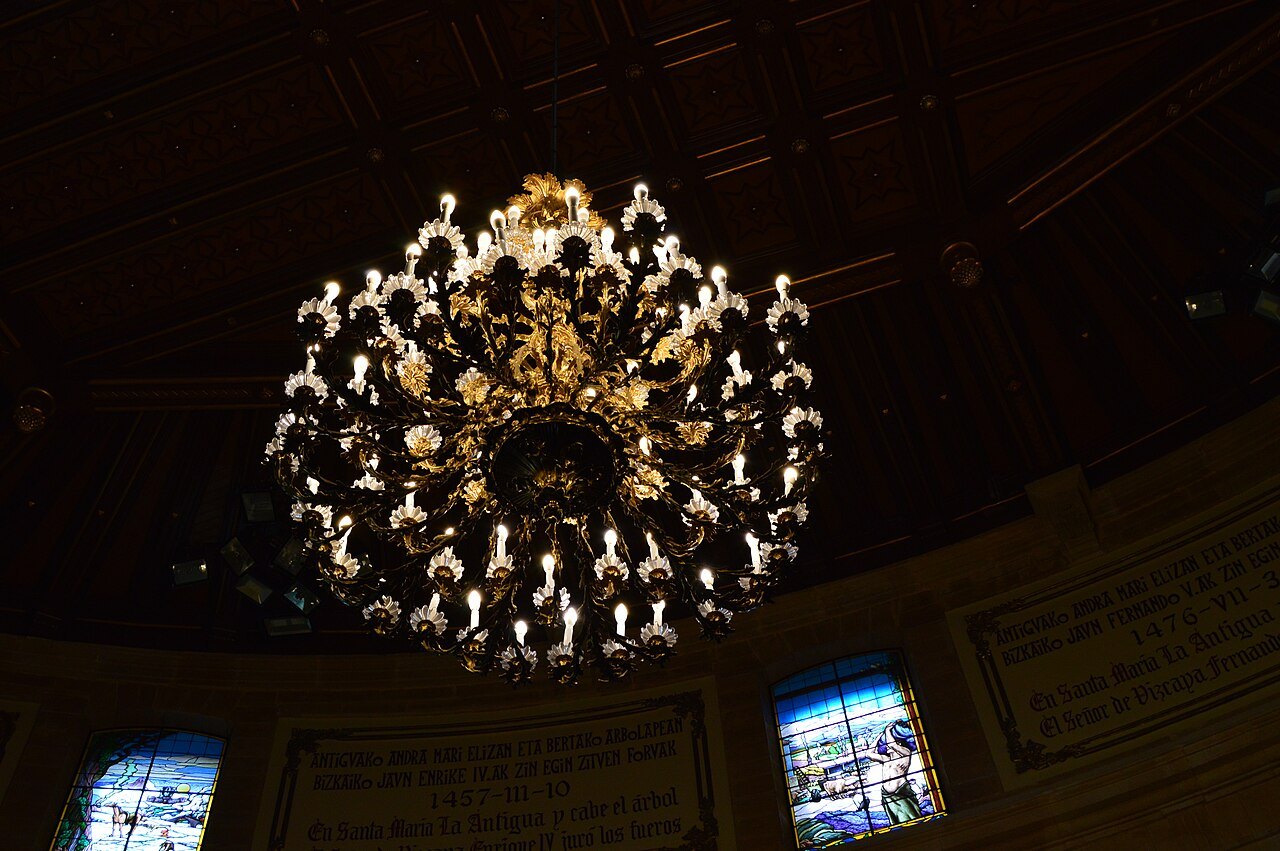
The great chandelier under the painted ceiling of the Assembly House at GernikaUnailopezocio, Wikimedia Commons, CC BY-SA 4.0
Euskotren's trains leave from Zazpikaleak / Casco Viejo station: line E4 runs to Gernika, Mundaka and Bermeo through the Urdaibai valley, and line E1 to San Sebastián through Durango and Eibar. Coaches from Bilbao Intermodal go to San Sebastián, Vitoria-Gasteiz, Pamplona and Santander. The getting around page explains the networks and the Barik card.
Gernika
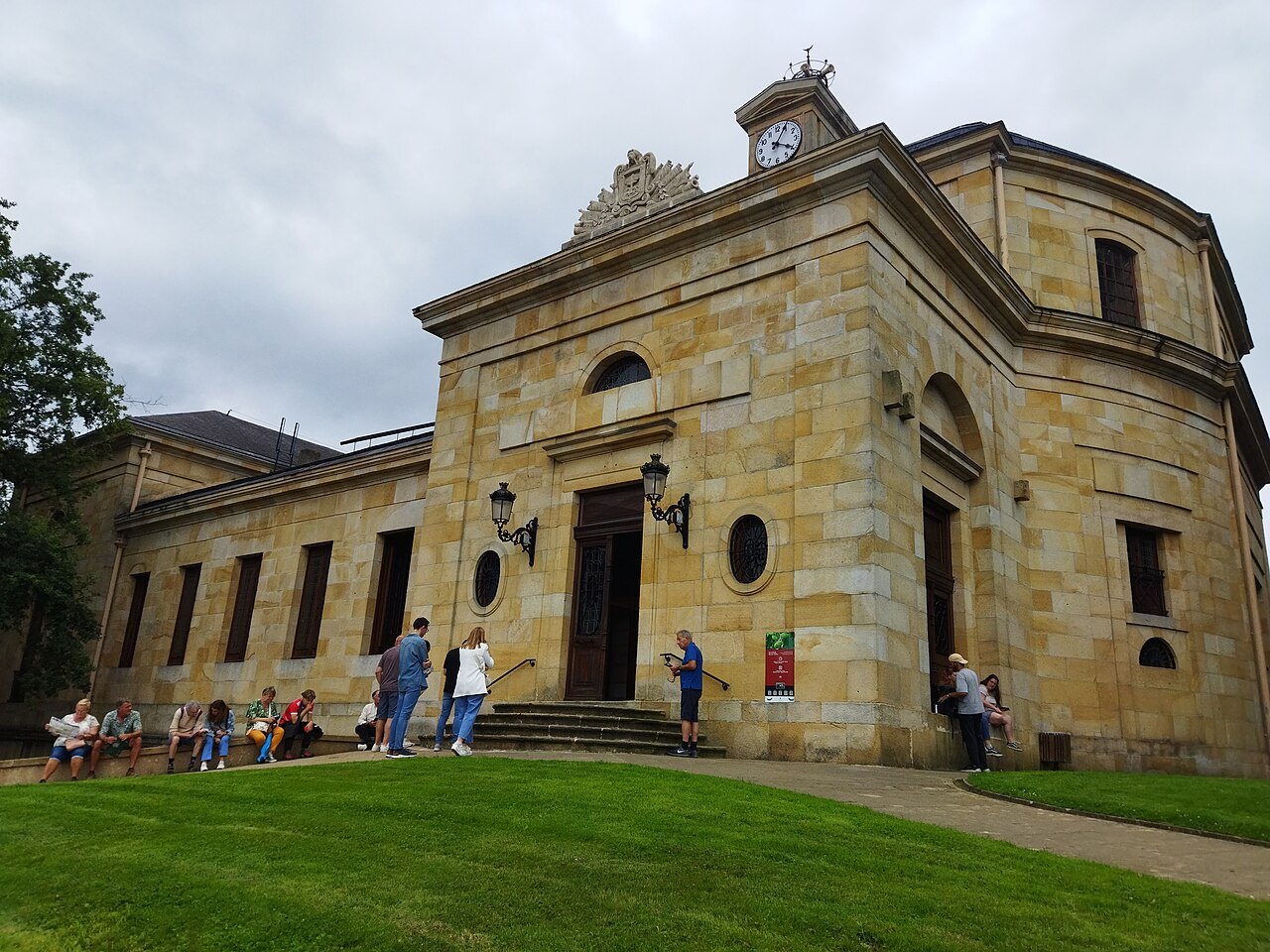
Gernika, Guernica in Spanish, is a small town in the valley of the Oka river, founded by the Lord of Biscay in 1366. On a low hill in the town stand the Assembly House and the Tree of Gernika, the oak under which the representatives of Biscay's towns met and its laws were made until 1876, and under which the Lords of Biscay swore to respect the province's liberties. The tree is a dynasty: the present oak was planted in 2015, and the trunk of an older one is kept nearby. The Lehendakari, the president of the Basque Government, still takes the oath of office here.
On Monday 26 April 1937, a market day with more than 10,000 people in the town, Gernika was bombed by Nazi Germany's Condor Legion and Fascist Italy's air force, one of the first aerial bombings of a town. The number of victims is still disputed. The attack inspired Pablo Picasso's painting Guernica, and the town has become a symbol of the suffering of civilians in war. Monday is still market day, and an old saying in the town holds that not a stroke of work gets done on Mondays.
Gaztelugatxe
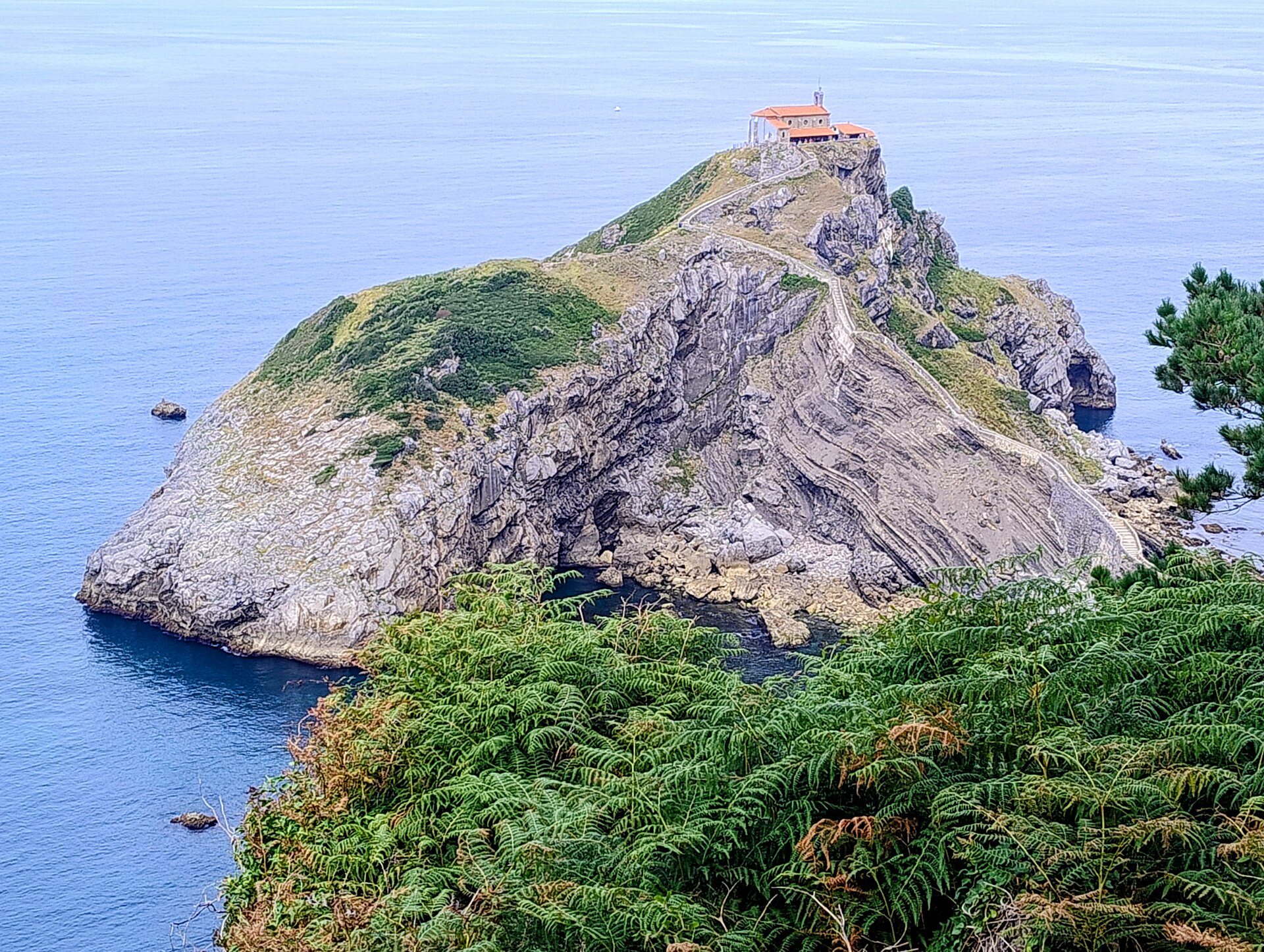
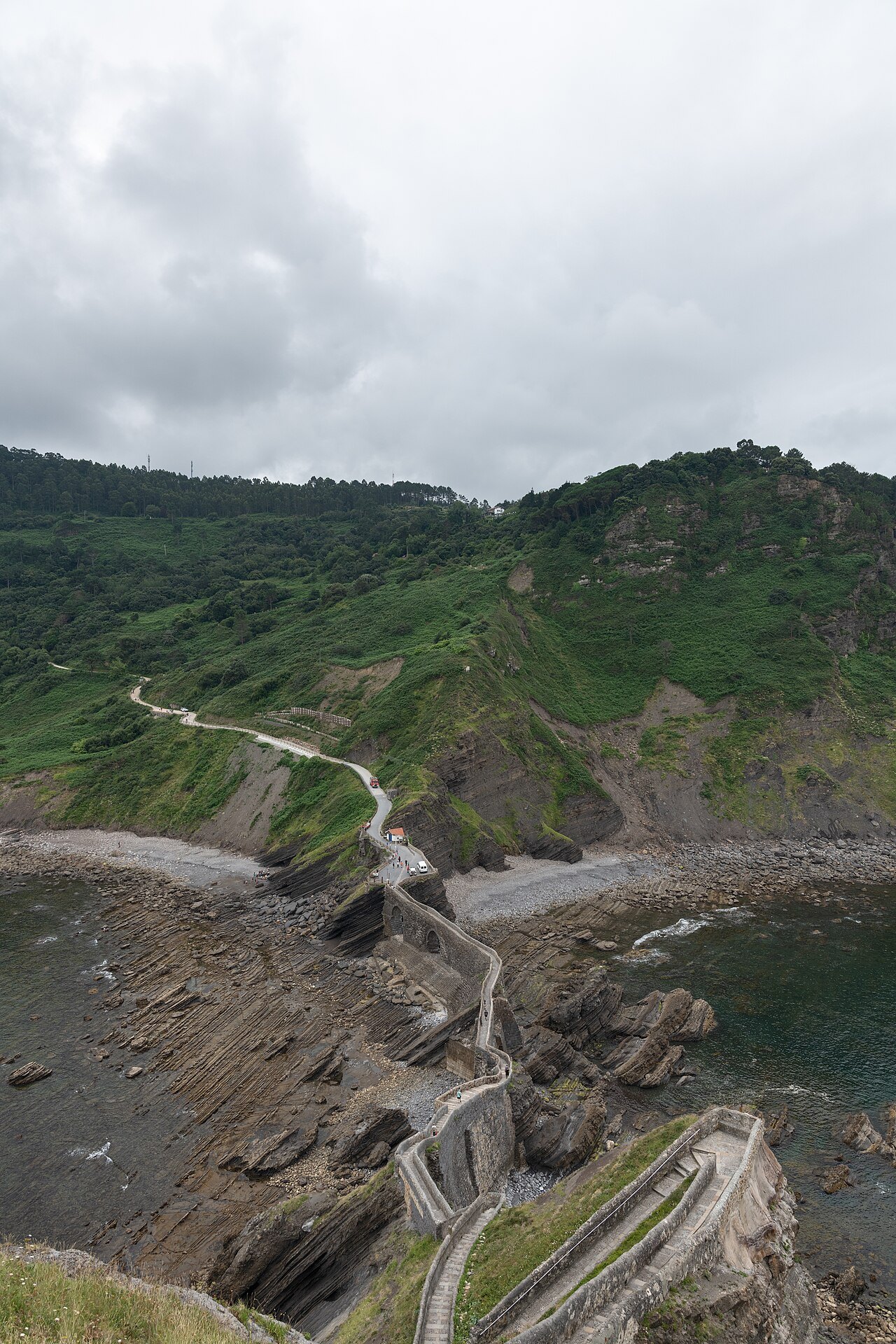
Gaztelugatxe is an islet off the coast of Bermeo, joined to the mainland by a stone footbridge. On top stands a hermitage of Saint John the Baptizt, San Juan de Gaztelugatxe, 80 meters above the sea, reached by a path that crosses the bridge and climbs 241 steps. A building stood here by the ninth century; the present hermitage was rebuilt in 1980 after a fire. By custom visitors ring its bell three times and make a wish, and inside hang offerings from sailors who survived shipwrecks.
Gaztelugatxe seen from the wooded cliffs, the hermitage on top of the rockChatsam, Wikimedia Commons, CC BY-SA 3.0
The name may mean rock castle or inaccessible castle. The islet was sacked by Francis Drake in 1593, and in 2016 it stood in for Dragonstone in Game of Thrones, which brought crowds. Access arrangements change with the season and the numbers of visitors, so check the Bermeo town council's site before you go, and wear good shoes for the steps.
Urdaibai and Mundaka
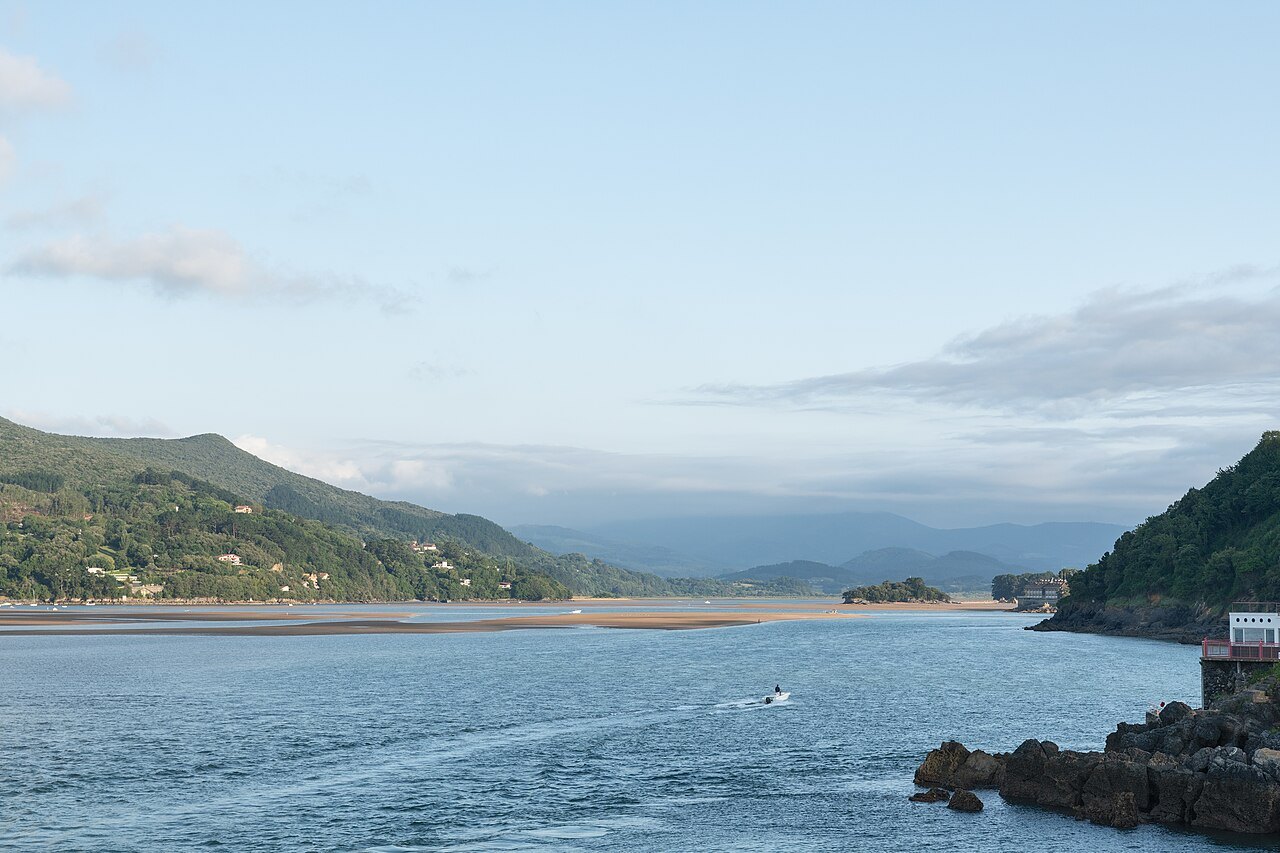
The estuary of the Oka below Gernika, Urdaibai, is a biosphere reserve of about 220 square kilometers: a great salt marsh surrounded by cliffs, meadows, oak groves and woods, with some 45,000 people living mostly in Bermeo and Gernika. With the marshes of Santoña it is one of the most important wetlands in the peninsula, home to 245 species of birds; the Urdaibai Bird Center at Gautegiz Arteaga is the place to see them. The Santimamiñe cave nearby has yielded finds from the Old Stone Age to the Iron Age.
At the mouth of the estuary lies Mundaka, a fishing town of medieval houses facing the sea around its port, known around the world for the long wave that draws surfers to its river mouth. A legend in the Chronicle of Biscay derives its name from the Latin for clean water. The E4 train from Bilbao stops in Mundaka, so Gernika and Mundaka make an easy day together.
San Sebastián
The Urdaibai estuary opening to the sea at MundakaGiorgio Galeotti, Wikimedia Commons, CC BY-SA 4.0
San Sebastián, Donostia in Basque, both names meaning Saint Sebastian, is the capital of Gipuzkoa, on the Bay of Biscay about 20 kilometers from the French border. In the nineteenth century it became the summer retreat of the Spanish court, and it was rebuilt in an elegant Parisian style along La Concha, its curved bay, with its promenade and Miramar Palace. Its international film festival dates from 1953, and it was a European Capital of Culture in 2016.
The Parte Vieja, the old town under Mount Urgull, was walled until 1863 and is now packed with pintxo bars. The city and its surroundings have one of the highest concentrations of Michelin-starred restaurants in the world, and it is also the birthplace of the Basque gastronomic societies, the first recorded in 1870. The train from Bilbao arrives at the Euskotren terminal in the Amara district; coaches use the underground bus station next to the main railway station.
Vitoria-Gasteiz
Vitoria-Gasteiz, inland in the province of Álava, is the seat of the Basque Parliament and Government and the second largest city in the Basque Country. It was the first Spanish city named European Green Capital, in 2012, and its old town keeps its medieval streets and squares around the Cathedral of Santa María, the Old Cathedral, a Gothic church of the fourteenth century with a seventeenth-century tower; the city is one of very few with two cathedrals.
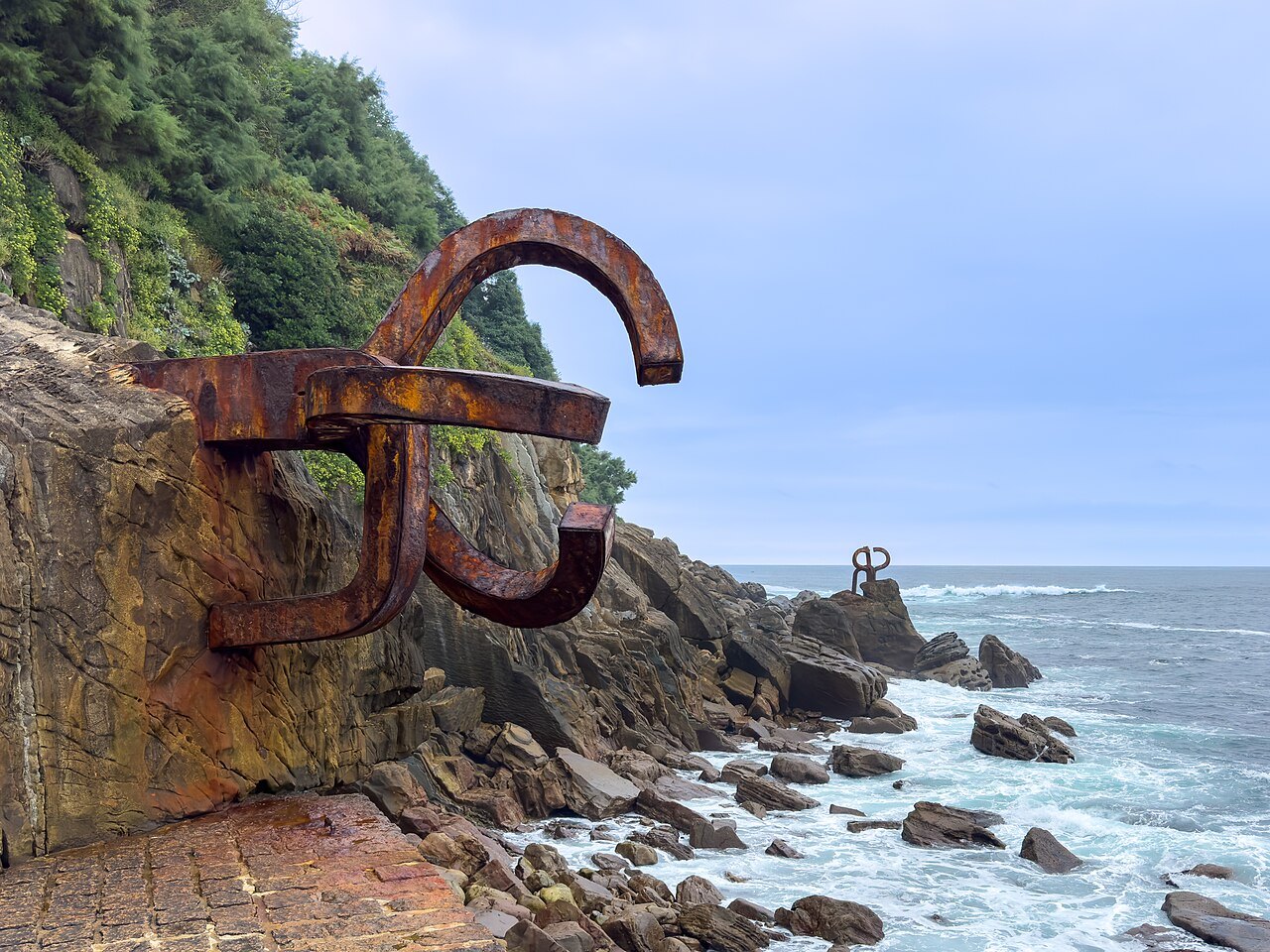
Eduardo Chillida's rusted steel Comb of the Wind on the rocks at the end of San Sebastián's bayKent Wang, Wikimedia Commons, CC BY-SA 4.0
It is also known for the Battle of Vitoria of 1813, when Wellington's army broke the French, celebrated by Beethoven in his Wellington's Victory, and for its summer festivals, among them the Virgen Blanca festivities and a jazz festival. Coaches run from Bilbao Intermodal, and from the airport too.
The Rioja Alavesa
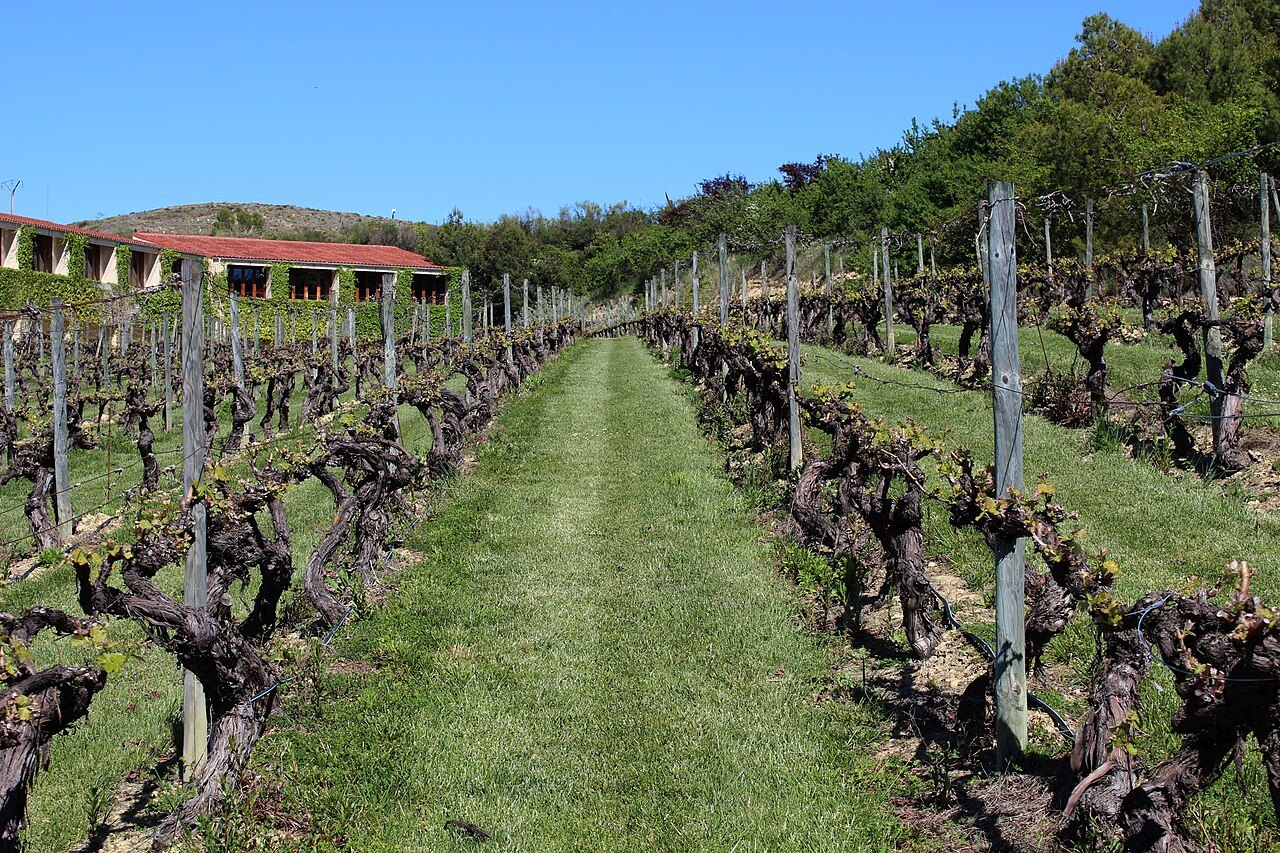
South of Vitoria, beyond the Sierra de Cantabria and the Sierra de Toloño, the Rioja Alavesa runs down to the Ebro. It is the Basque part of the Rioja wine region, with about 11,500 hectares of vineyards producing fuller-bodied wines with higher acidity than its neighbors. Its main town, Laguardia, stands on a hill inside walls built by King Sancho the Strong, with five old gates and streets that keep their medieval atmosphere.
Among its wineries are two famous buildings: Ysios, designed by Santiago Calatrava, and Marqués de Riscal, by Frank Gehry, the architect of the Guggenheim. The region is best reached by car, and it suits a long day or an overnight stay; if you plan to taste wine, take a tour or a driver.
Making the most of a day out
Start early: the coast is quieter in the morning and the inland towns are livelier at lunchtime. Combine places on the same line, Gernika with Mundaka, or Vitoria with the Rioja Alavesa, rather than crossing the region in a day. In summer, the beaches and Gaztelugatxe are busiest at weekends; on weekdays you will share them with far fewer people. Check return times before you set out, as some lines run less often in the evening.
The Plaza de la Virgen Blanca in Vitoria-Gasteiz, its monument and glazed balconiesTim Adams, Wikimedia Commons, CC BY 3.0
If you have only one free day, San Sebastián is the most popular choice and Gernika the most meaningful. Bilbao's own coast, at Getxo and the Bizkaia Bridge, needs only the Metro.
03
More photographs
Seen on the way
Rows of vines at the Marqués de Riscal estate in ElciegoRoderich Kahn, Wikimedia Commons, CC BY-SA 4.0
The stone Assembly House of Biscay at Gernika, visitors on its lawnMiguelAlanCS, Wikimedia Commons, CC BY-SA 4.0
The zigzag path down the cliffs to the bridge of GaztelugatxeGiorgio Galeotti, Wikimedia Commons, CC BY-SA 4.0