Getxo
What you are looking at
Getxo · right bank
- 1The Puerto ViejoAlgorta's old fishing quarter, a knot of narrow stepped lanes and colorful houses above a tiny harbor.
- 2Casa EtxetxuThe eighteenth-century meeting house of the fishermen's guild, once Getxo's town hall.
- 3Neguri's mansionsEarly twentieth-century villas built for Bilbao's industrial families, in a planned garden suburb.
- 4The Aixerrota windmillA stone windmill of 1726 to 1727 on the clifftop, its Basque name meaning wind mill.
- 5The Galea fortAn eighteenth-century fort on the cliffs, built to watch the entrance to the port of Bilbao.
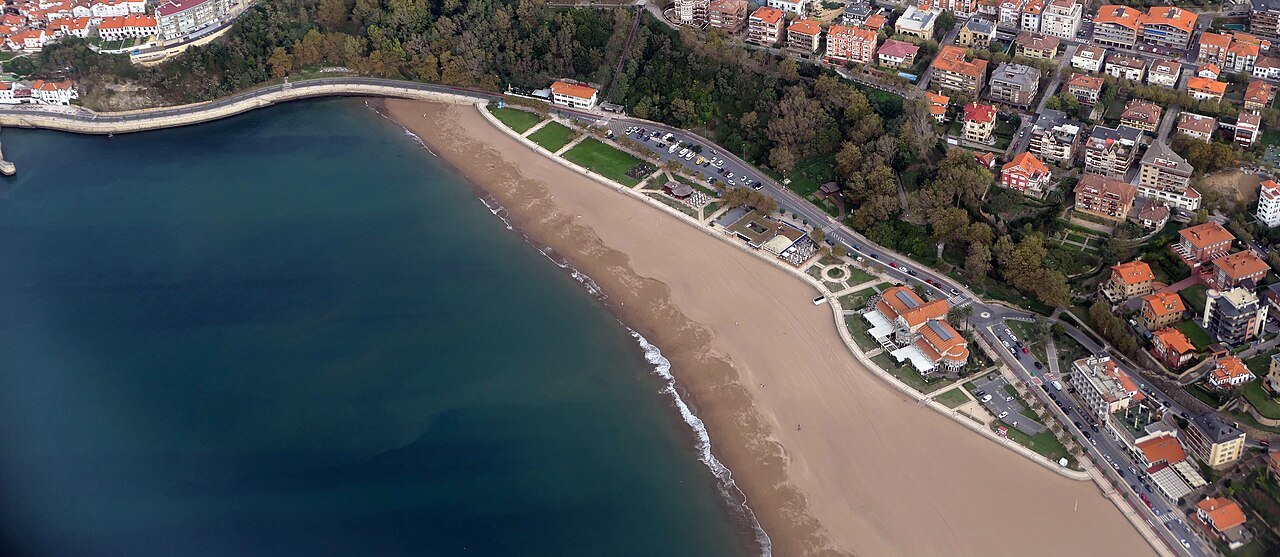
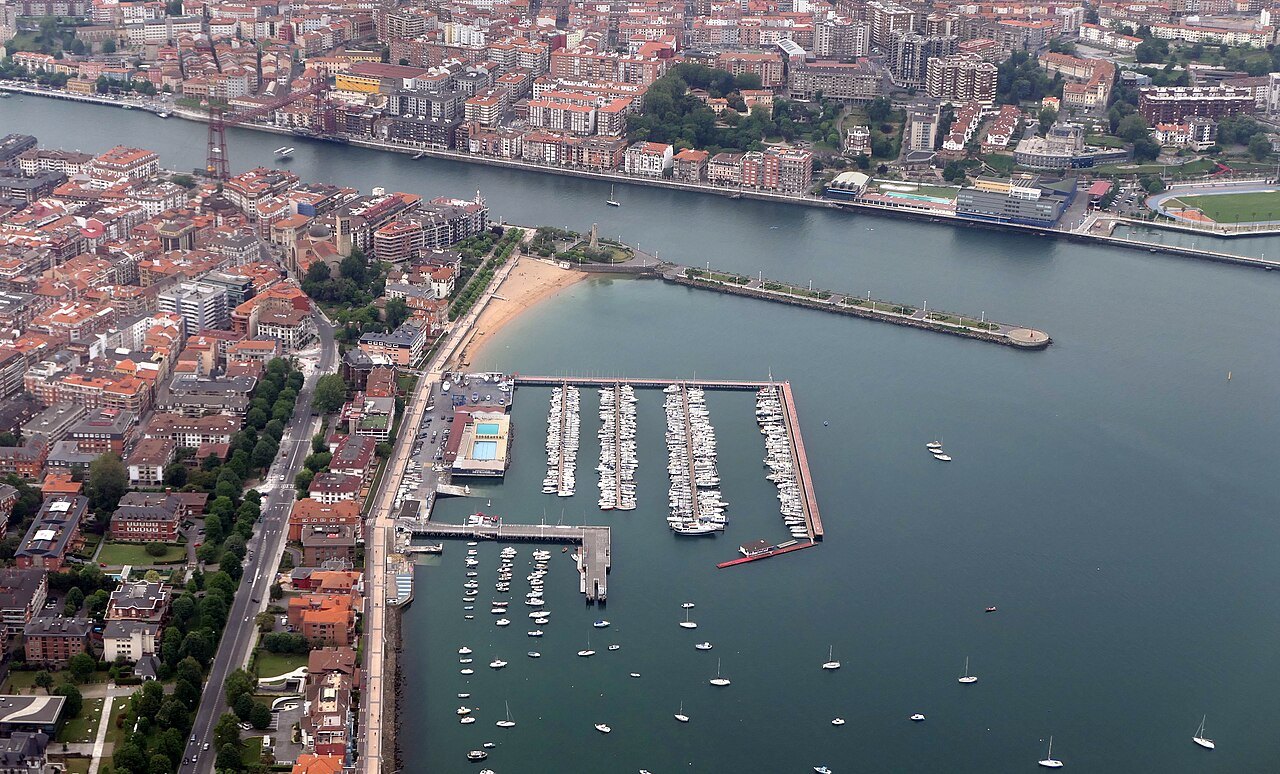
- 6The bay of the AbraBeaches and promenades looking across the river mouth to the Bizkaia Bridge and the port.
Reading the place
The sight in full
Why it matters
Getxo is the town on the right bank at the mouth of the Ría, where the river opens into the bay of the Abra, about 14 kilometers from the center of Bilbao. It is part of Greater Bilbao, with about 76,000 people, the fifth most populous town in the Basque Country, and is mostly residential, known for the mansions built by the industrial upper class; it takes in Las Arenas, Algorta, Romo, Neguri and Santa María de Getxo, the original village around its church of Andra Mari.
In one afternoon you can see three different worlds here: the old fishing port of Algorta, the mansions of the shipping and steel families of Neguri and Las Arenas, and the sea itself, with the Bizkaia Bridge at the edge of the town. It is the end of the walk, or the ride, down the Ría.
The Puerto Viejo
The Puerto Viejo, Portu Zaharra in Basque, the Old Port of Algorta, is a fishermen's quarter that grew in the eighteenth century and spread up the slope in the nineteenth, giving rise to the district of Algorta. It is built around three streets, Puerto Viejo, Ribera and Nueva, with narrow, irregular lanes of brightly painted fishermen's houses, many now restaurants and taverns.
Algorta's sailors lived from the Abra itself: the town dominated the entrance to the port of Bilbao and had the best lookouts over the bay, and its seamen's knowledge of these waters was their trade. In the early seventeenth century they founded the guild of mariners of San Nicolás, which met first beside the church of Santa María, from 1634 in the chapel of San Nicolás in the old port, and a century later in Casa Etxetxu, built for the purpose.
Etxetxu, a single-story house with an open porch and a long bench, served for a time as Getxo's town hall and is still the center of the quarter. Beside it, the low wall called Riberamune was for generations the place where sailors and fishermen met to watch the horizon, and nearby stand two sculptures honoring lost trades, the fisherman and the sardine seller.
Getxo's first life as a resort came in the same century: in 1868 a sea-bathing establishment opened, the railway from Bilbao reached Las Arenas in 1887, and when Churruca's outer port works began two years later the bathers moved to the beach at Ereaga. In 1999 the first marina in the Basque Country opened next to it, and the town now also has a terminal for cruise ships.
Neguri and Las Arenas
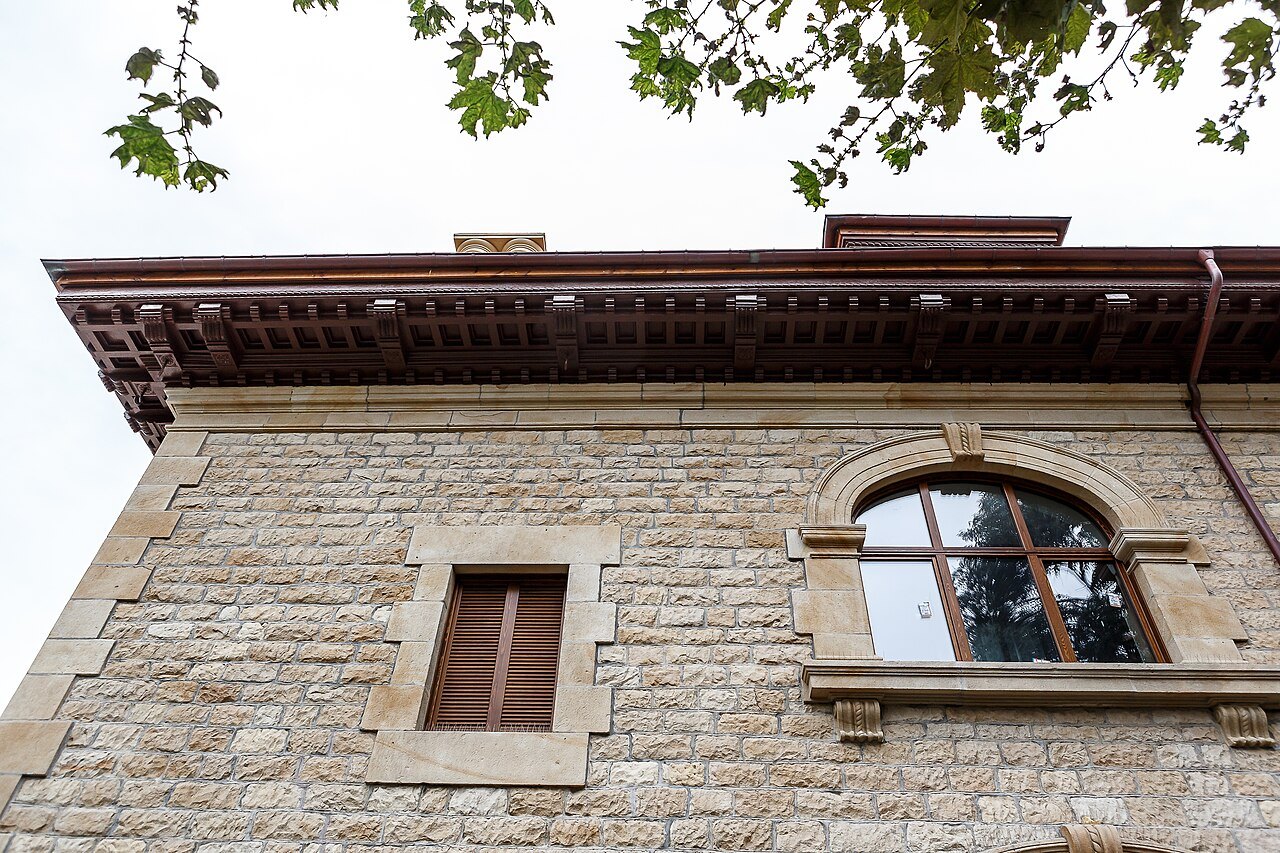
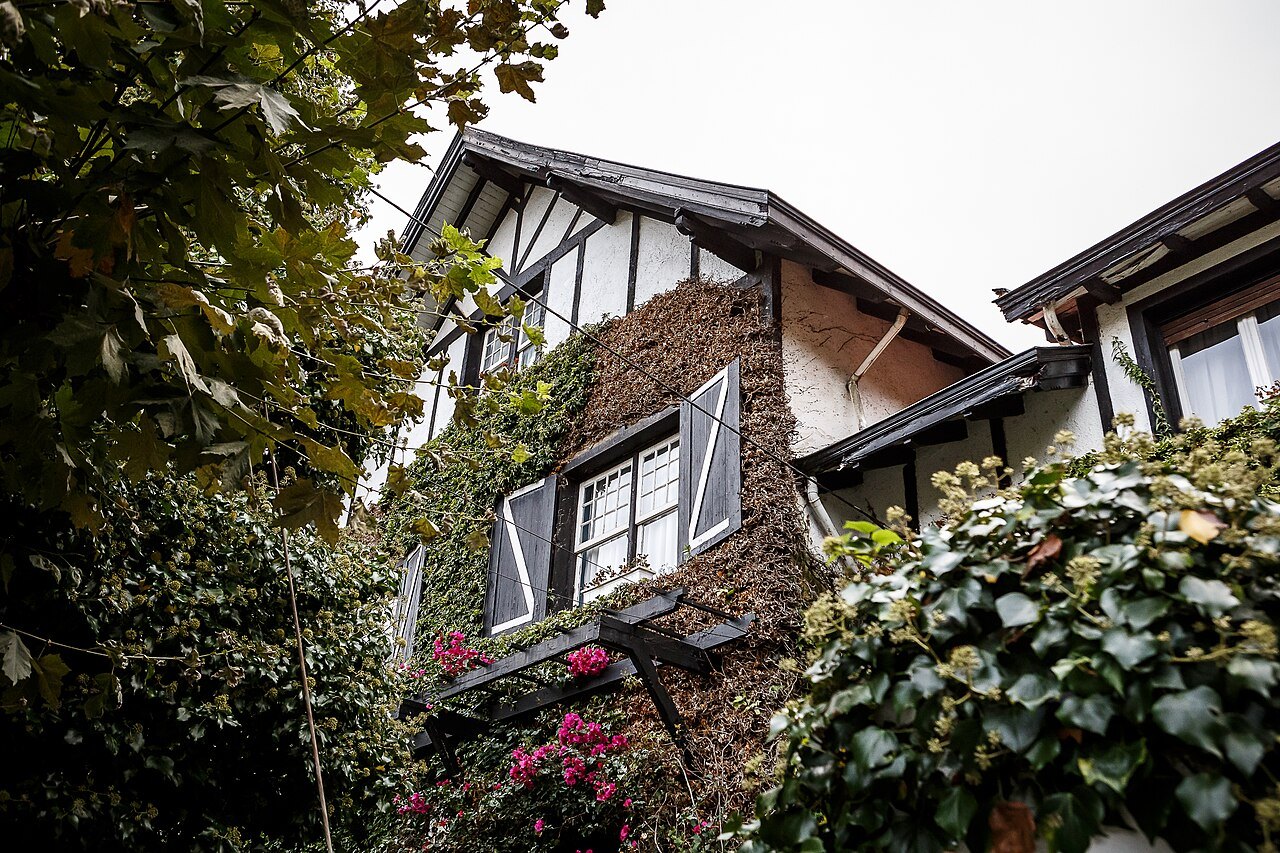
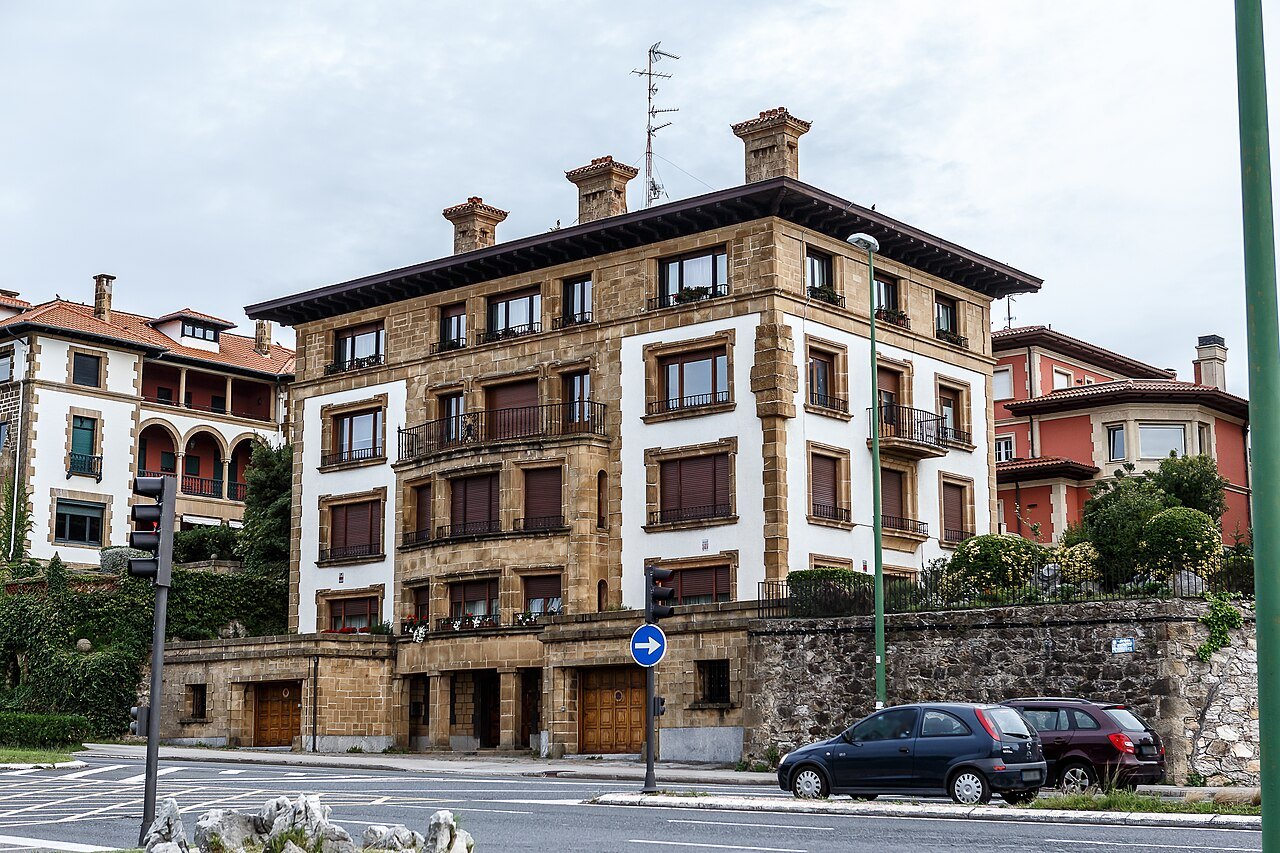
Neguri was born in 1904 as a property development by the owners of the railway along the coast. Getxo was then a summer resort of the upper middle class, and the plots were sold under the name Negu Hiria, winter city, to the new class made rich by Bilbao's steel and shipping. Laid out like an English garden city, it filled with mansions in the fashionable styles of the day: neo-Basque, mountain, Old English, Queen Anne, with touches of Baroque and Modernizm.
Las Arenas, Areeta in Basque, The Sands, grew on the beach in the late nineteenth century and is the district at the Getxo end of the Bizkaia Bridge. Along its seafront stand more villas of the industrial families, and the monument to the engineer Evaristo de Churruca, who directed the building of the outer port from 1889.
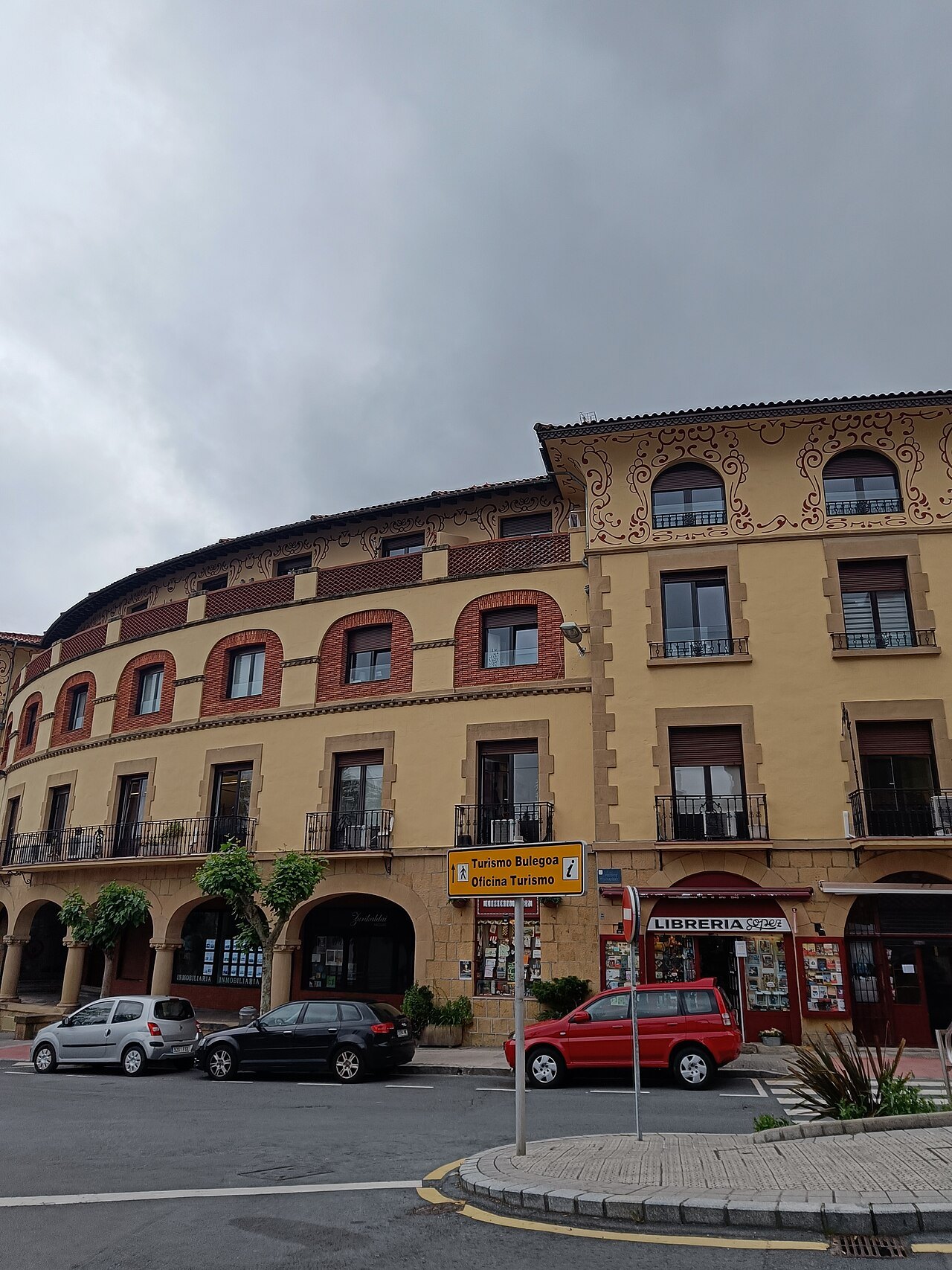
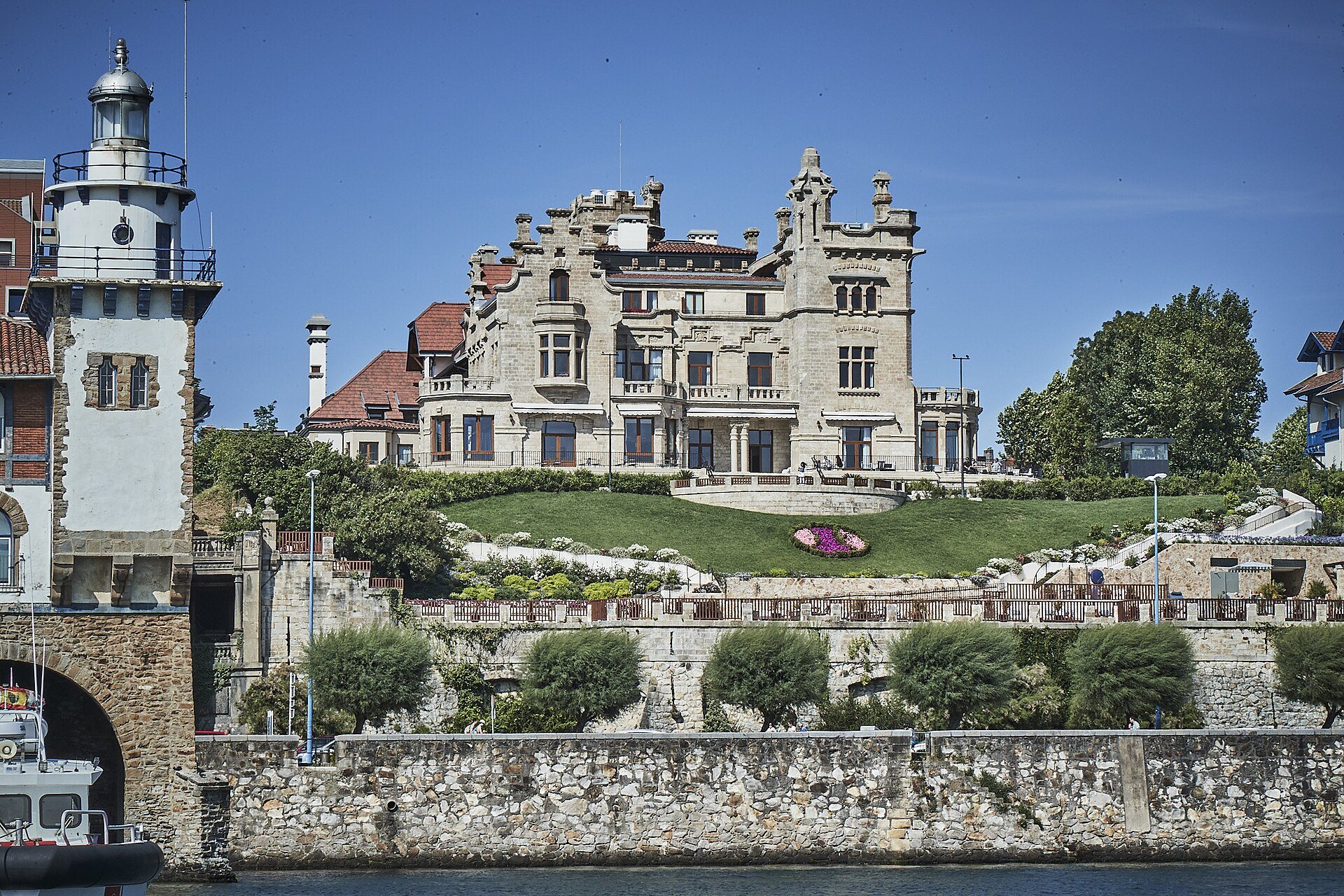
Among the mansions you can see from the street are the Palacio Arriluce in Neguri, a neo-Gothic revival house by José Luis Oriol for the first Marquis of Arriluce, and the Lezama-Leguizamón palace, whose central tower was inspired by a palace in Salamanca. Down at the water, on the Arriluze quay, stand the lighthouse and the house for shipwrecked sailors built by Ignacio Smith in 1920.
The cliffs, the windmill and the fort
North of the old port the coast becomes cliffs. On top stands the Aixerrota windmill, from the Basque aixe, wind, and errota, mill, built between 1726 and 1727 during a great drought, and abandoned once the drought was over. Further on, at Punta Galea, is the Galea fort, from the French gale, cliff, also called the Prince's Castle. Designed by Jayme Sycre and begun in 1742 to defend the shipping of the Ría, it is the only fortification of its kind that survives in Biscay.
Below the cliffs and along the bay are the town's beaches: Las Arenas, Ereaga beside the old port, Arrigunaga under the cliffs, and further out Azkorri-Gorrondatxe and Barinatxe, facing the open sea. At Gorrondatxe the rocks are a global reference point for geologists, chosen as the marker for the base of the Lutetian stage of the Eocene.
How to visit
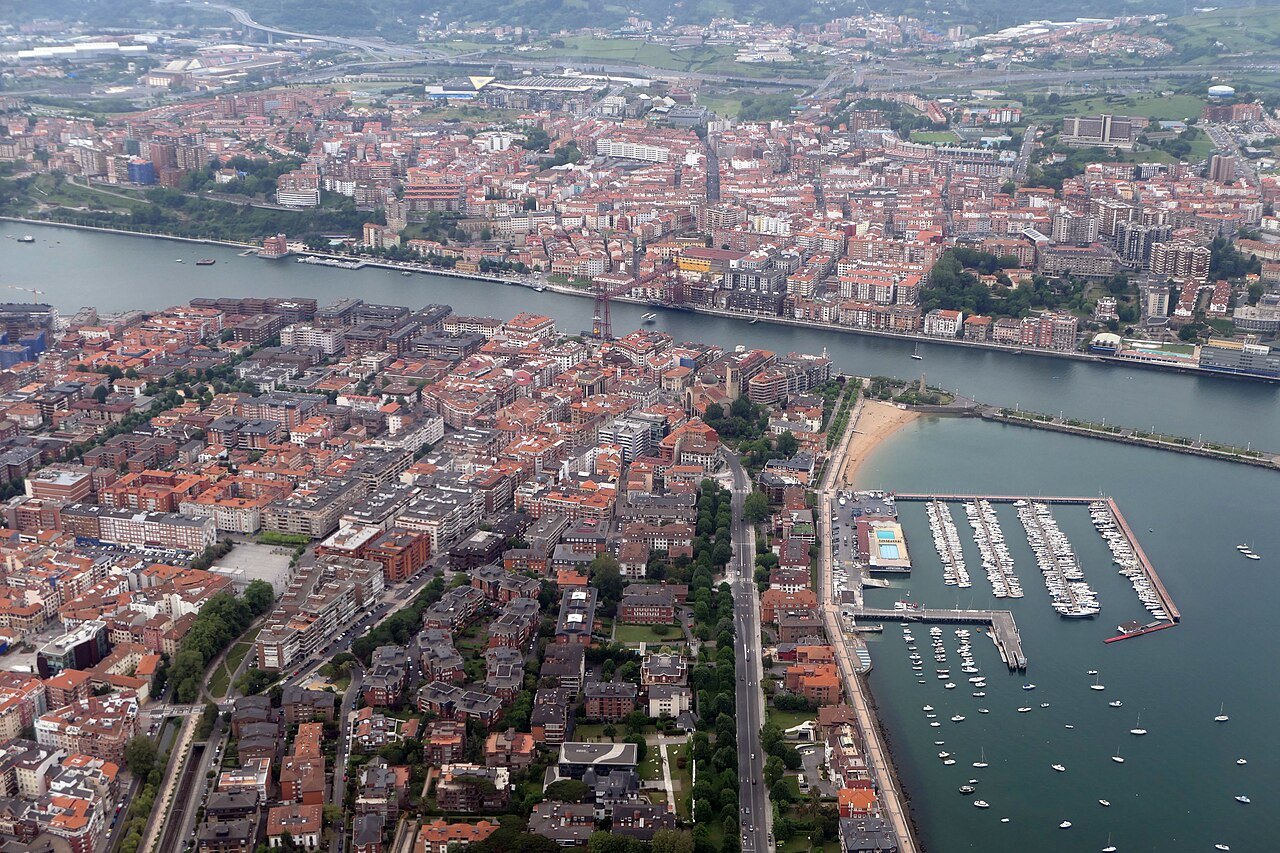
The Metro reached Getxo in 1995 with six stations on line 1, which runs along the right bank from the center; part of its route is the old Bilbao to Plentzia railway. Areeta station serves Las Arenas and the bridge. A good plan is to start at the bridge, walk the seafront past the villas toward Ereaga and the marina, climb through the lanes of the Puerto Viejo, and return by Metro from Algorta. See getting around for the Metro.
Allow half a day, more if you add the cliffs and the windmill. The old port's lanes are steep and stepped. At weekends people from all over the area come down to its taverns for pintxos and to look at the bay, so it is livelier then and quieter on weekdays.
Honest notes
Getxo is a residential town, not a resort, and its mansions are private houses seen from the street. The old port's festival of San Nicolás in August and the town's summer music festivals, blues in June, jazz in July, folk and habaneras in September, can fill the lanes; outside those days it is a small, quiet place.
Nearby
Where to go next
- Nearby · Portugalete · GetxoThe Bizkaia BridgeThe world's first transporter bridge, opened in 1893 across the mouth of the Ría: a gondola hung from a high iron girder still carries cars and people between Portugalete and Las Arenas, day and night.Read the page →
- Nearby · From the Casco Viejo to the AbraThe RíaThe tidal river that made Bilbao: the waters of the Nervión and the Ibaizabal, joined by the Cadagua, running through the city and on to the sea, once lined with shipyards and furnaces and now with promenades, bridges and the city's new architecture.Read the page →
- Nearby · Above the right bankArtxanda and Its FunicularThe low mountain that rises straight above the right bank, reached since 1915 by a funicular from beside Zubizuri, with the whole of Bilbao laid out in its bowl of hills below the lookout at the top.Read the page →