Home · Eating & Drinking
What to order
The Biscayan table
On the counter
- PintxosSmall slices of bread topped with fish, tortilla, peppers or croquettes, held with a toothpick and eaten at the bar.
- GildaOlives, a pickled guindilla pepper and an anchovy threaded on one toothpick, the classic counter snack.
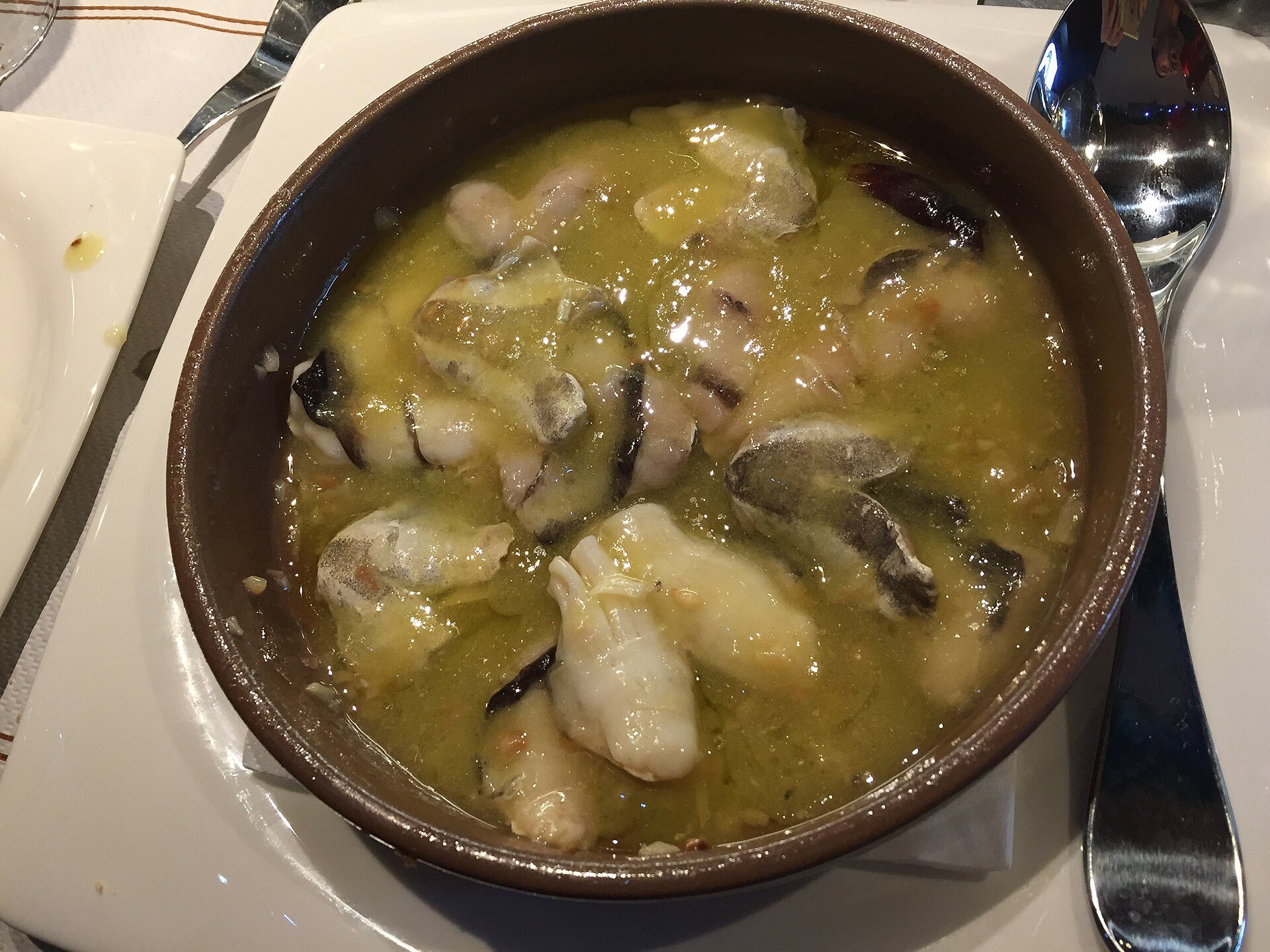
- Bacalao al pil pilSalt cod cooked slowly in olive oil with garlic and guindilla until the oil turns into a pale sauce.
- Bacalao a la vizcaínaSalt cod in Biscayan sauce, made from dried choricero peppers and red onion, traditionally without tomato.
- Merluza en salsa verdeHake in a green sauce, one of the classic fish dishes of the Biscay coast.
- Chipirones en su tintaSmall squid cooked and served in a black sauce made from their own ink.
- RabasRings of squid fried in batter and served with lemon, a favorite at the bar.
- Txampis and triángulosStuffed mushrooms, and the small triangular sandwiches Bilbao's bars are known for.
- Canutillos de BilbaoPuff pastry tubes filled with custard or chocolate, the city's own pastry.
- PantxinetaPuff pastry filled with custard and topped with almonds.
- TxakoliThe light, slightly sparkling, very dry white wine of the Basque coast, poured from a height.
- ZuritoA small glass of beer, the usual partner to a pintxo when it is not txakoli.
Eating & Drinking
In full
A kitchen of the sea and the estuary
Traditional Bilbao cooking is built on what came from the sea and the Ría: eels, hake, squid and above all cod. The city shares most of its dishes with the rest of Biscay, and it is famous for cooking salt cod in several ways, each with its own sauce. Alongside the fish come the dried red peppers called choricero, the small hot peppers called guindillas, garlic and good olive oil.
Bilbao and Biscay have one of the highest numbers of restaurants recognized by the food guides in Spain, several of them with Michelin stars. But the everyday way to eat here is simpler: a round of bars at the counter, or a long lunch of traditional dishes in a family restaurant.
Pintxos and the bar counter
A pintxo, written pincho in Spanish, is a small snack served in a bar, typically a slice of bread with an ingredient or a mixture on top, held in place with a toothpick; the name means spike. They are related to tapas, but are served as individual portions and ordered and paid for separately from the drinks. In the Basque Country they are seen as a cornerstone of local life.
The usual way to eat them is to go from one bar to the next with friends, having a pintxo or two and a small drink in each. The counters are lined with trays of pintxos, and in many bars you can also order hot ones made to order. The toothpicks once helped the barman count what each customer had eaten. Among the commonest toppings are hake, cod and anchovy, tortilla, stuffed peppers and croquettes, but they can be as elaborate as a small plate of fine fish or meat.
Bilbao has its own counter favorites as well: rabas, rings of battered squid; txampis, stuffed mushrooms; triángulos, the city's small triangular sandwiches; and the gilda, olives, a guindilla pepper and an anchovy on one toothpick. The bars of the old town, and especially those under the arcades of the Plaza Nueva, are the classic places to start.
The dishes to order
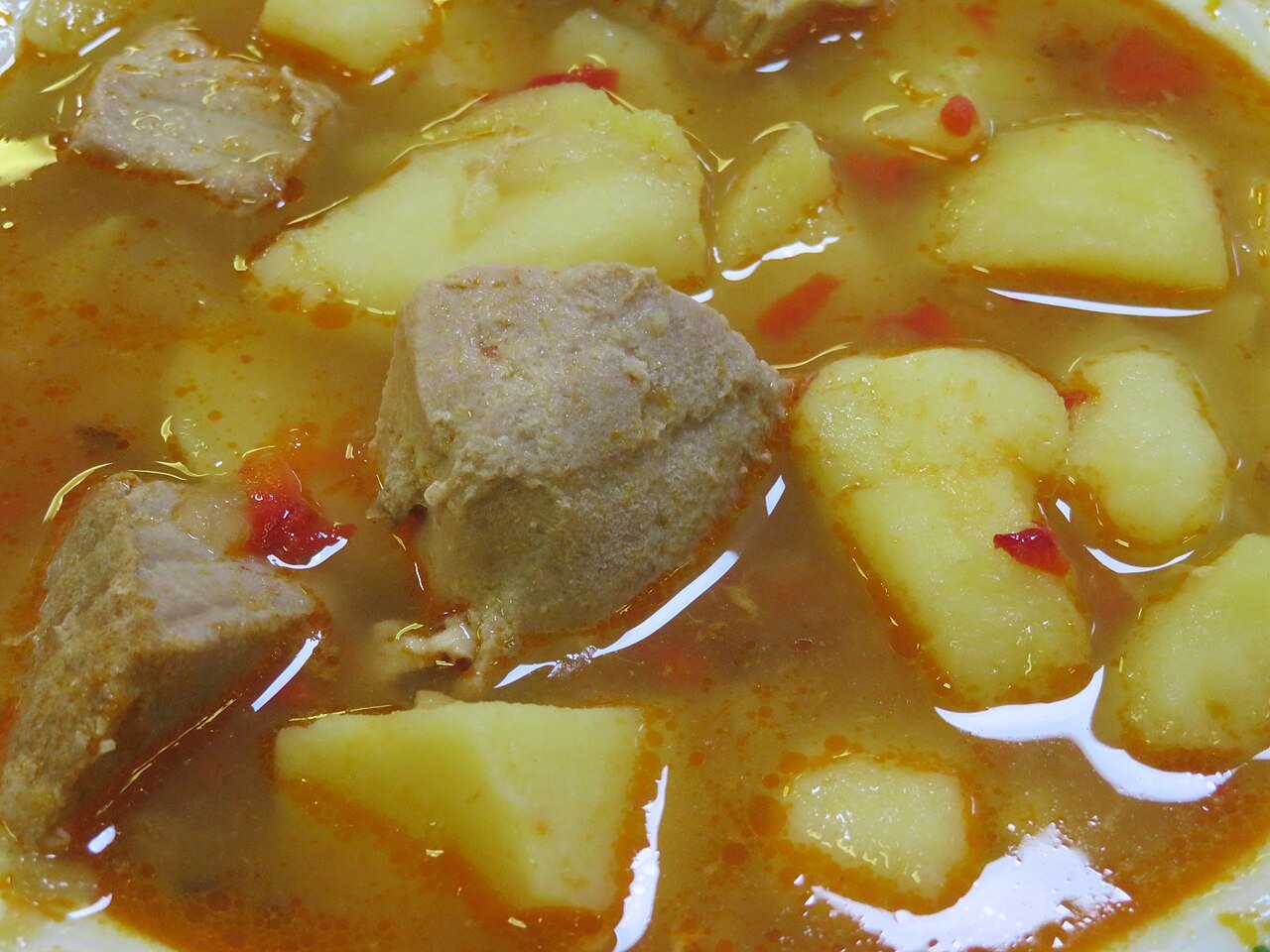
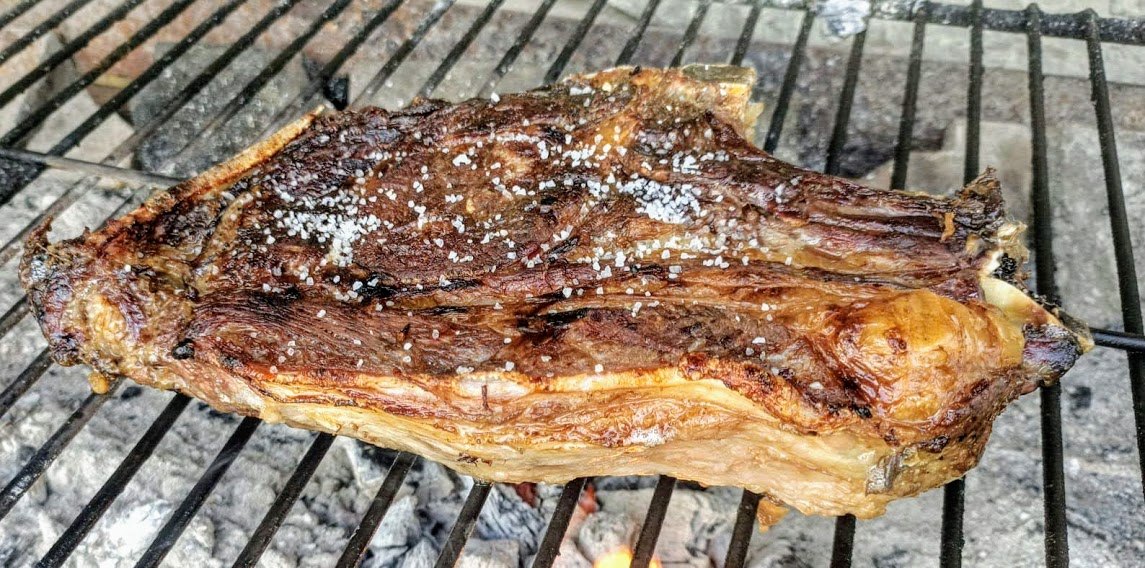
Bacalao al pil pil is salt cod cooked gently in olive oil with garlic and guindilla, the cod's own gelatine turning the oil into a pale, thick sauce. Bacalao a la vizcaína is salt cod in Biscayan sauce, made from the pulp of soaked choricero peppers and red onion; traditionally it has no tomato, a point of long and passionate argument. The same sauce is used with meat and offal, as in morros a la vizcaína, beef snouts in Biscayan sauce.
Merluza en salsa verde, hake in green sauce, and chipirones en su tinta, small squid in a sauce of their own ink, are the other classics. In season, look for revuelto de perretxikos, scrambled eggs with wild mushrooms. For dessert, Bilbao's canutillos, puff pastry tubes filled with custard or chocolate, and pantxineta, a custard and almond pastry, are the local specialities, along with rice cakes and butter buns from the city's bakeries.
What to drink
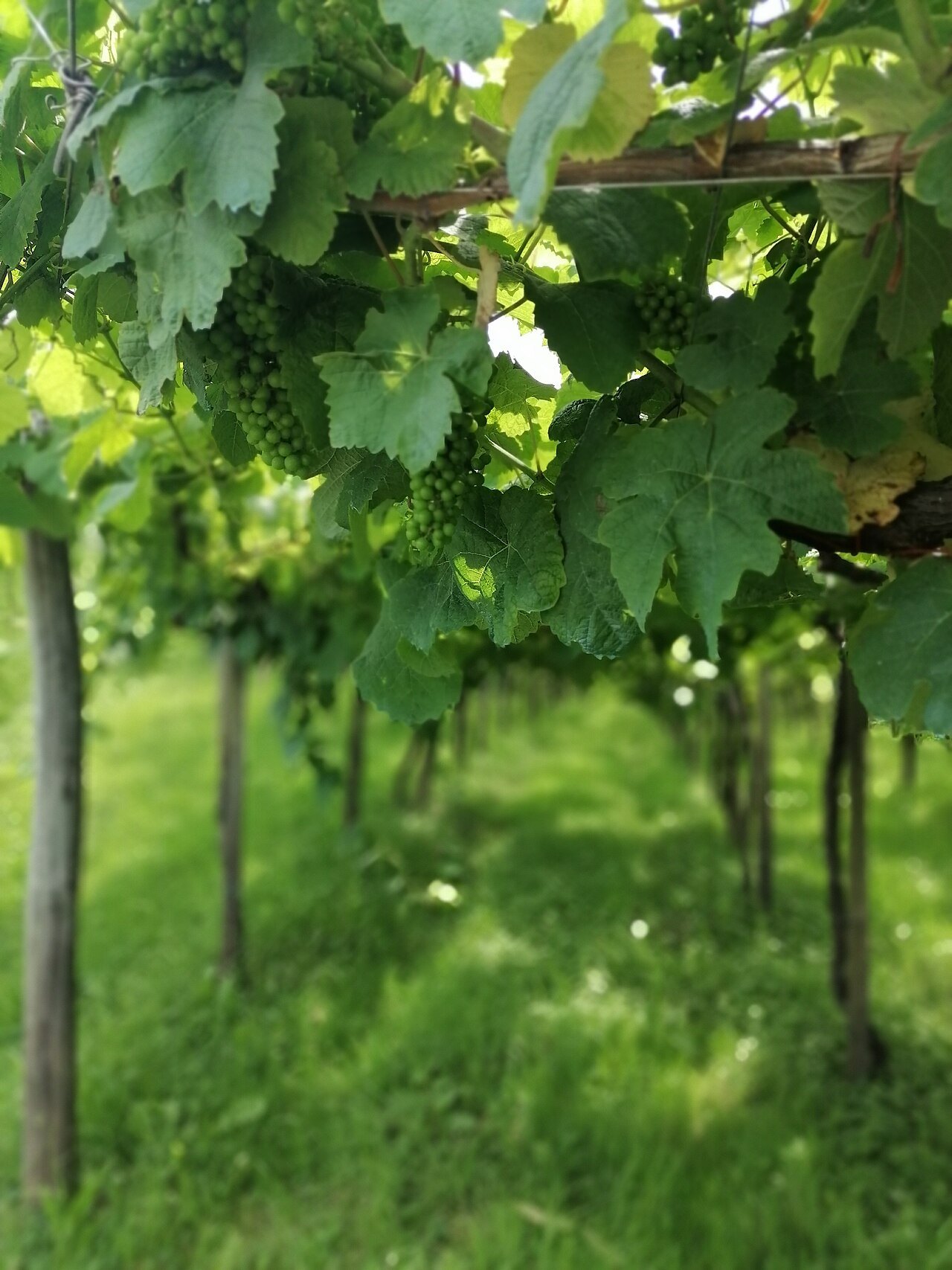
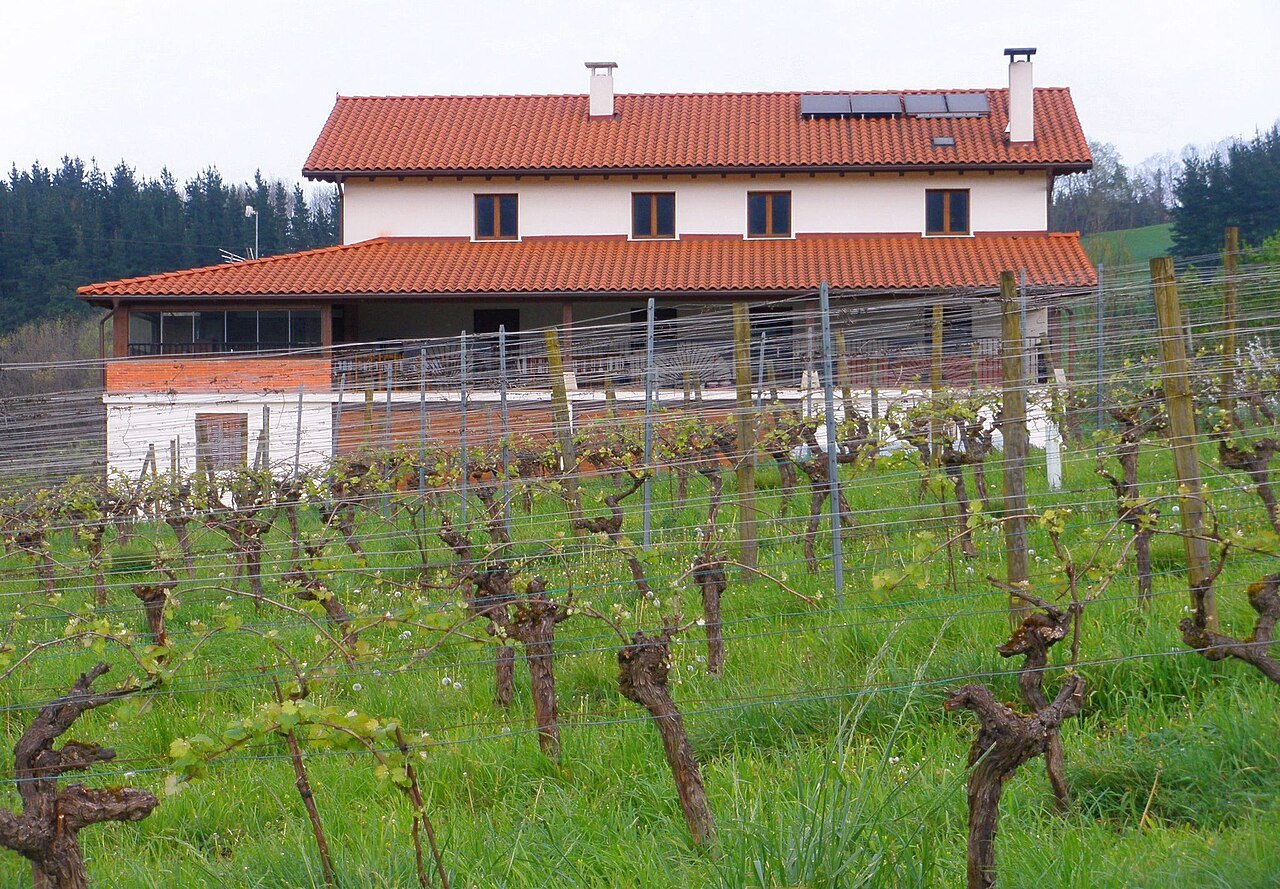
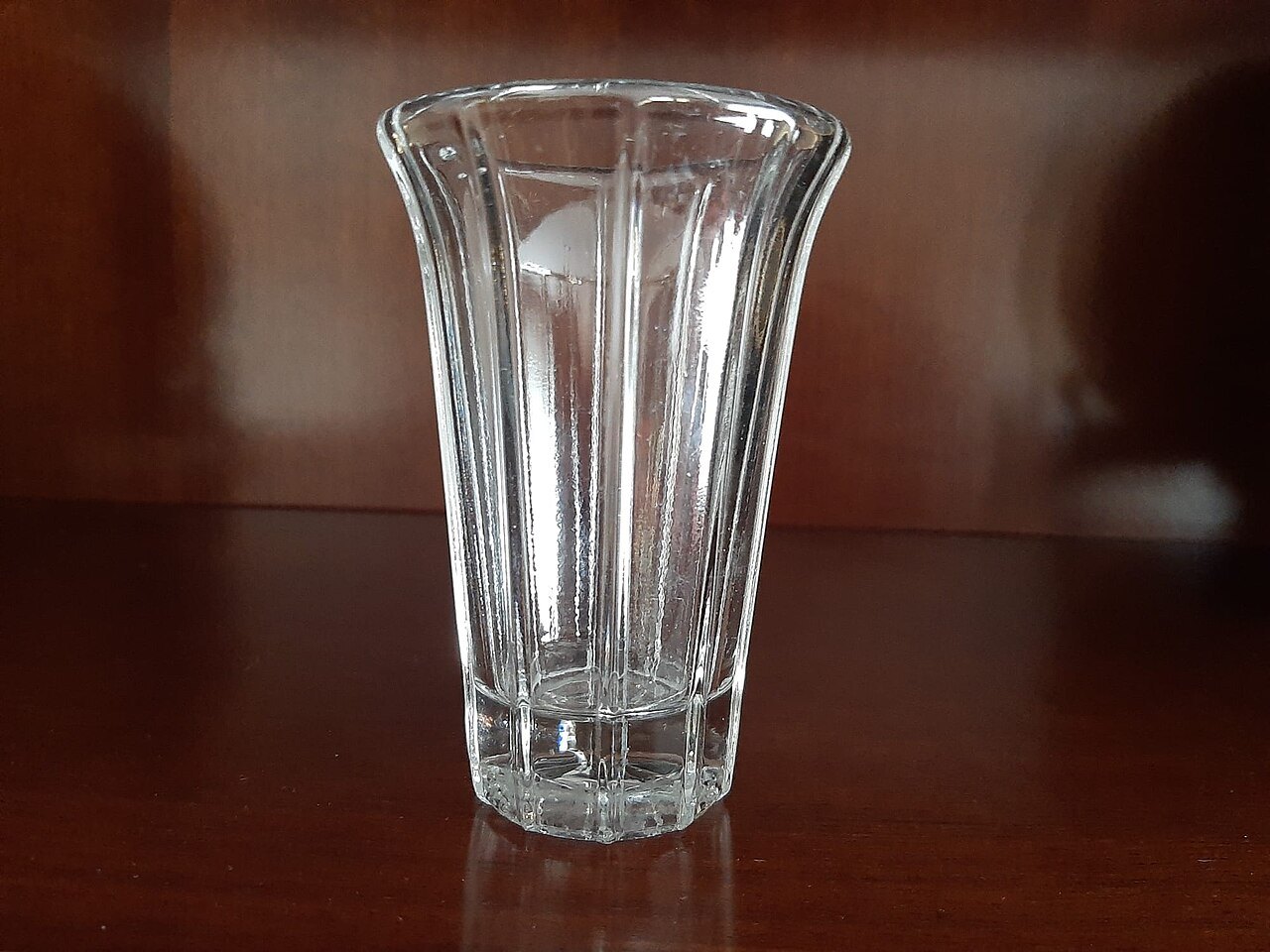
Txakoli, txakolina in Basque, is the wine of the Basque coast: slightly sparkling, very dry, high in acidity and low in alcohol. It is drunk young, usually as an aperitif, and poured into tall glasses from a height, often to go with pintxos. Biscay's own, Bizkaiko Txakolina, received its denomination of origin in 1994 and is grown by some 85 towns and villages across the province from white grapes, Hondarribi Zuria and Folle blanche, and a little red Hondarribi Beltza. A museum dedicated to it is housed in the eighteenth-century Mendibile palace at Leioa, just downstream.
The name has its own small history. In Basque the wine is txakolin, and with the article txakolina; the word is recorded from the middle of the eighteenth century. The spelling txakoli, now common on labels and menus, is considered incorrect by the Basque academy and only appears from 1985. In Spanish it is chacolí. Records of winemaking in Biscay go back to the eighth century, and the quality of its txakoli varies with the small differences of climate between valleys.
The other drinks you will see are a zurito, a small glass of beer; cider; patxaran, a liqueur flavoured with sloes; and red wine from the Rioja, which is served everywhere in the city.
The market
The Mercado de la Ribera, on the river beside the old town and the San Antón bridge, is where much of this food begins. Its building of 1929 covers about 10,000 square meters, with stalls of fish, meat, vegetables and cheese, and a food hall where you can eat pintxos and small dishes among the stalls.
Go in the morning to see the fish counters at their fullest, and come back later for a drink. It is the easiest place to see the ingredients of the Biscayan kitchen side by side.
The txoko
A txoko, from the Basque for a cosy corner or nook, is a private gastronomic society where members gather in their own premises to cook, eat, drink and talk. There are believed to be more than a thousand across the Basque Country, and they may well have begun in Bilbao. Under Franco they became places where Basque could be spoken and Basque songs sung, because political talk was banned inside.
Visitors cannot simply walk into a txoko; you need to be invited by a member. If you are, accept: it is one of the best ways to see how people here cook and eat together.
Eating well in Bilbao
Bars are busiest in the early evening and at weekends, when the old town fills with people going from counter to counter. Pay for your pintxos and drinks as you go or at the end; in some bars pintxos at different prices have toothpicks of different shapes or sizes, so keep yours on your plate. The bars around the Plaza Nueva, Somera and the other streets of the Casco Viejo are the densest, but every neighborhood has its own.
Booking matters only for the best-known restaurants; the bars never take reservations. The booking ahead page explains the difference, and the Basque page has the words you will meet on menus.