Home · Sights · The Fine Arts Museum
The Fine Arts Museum
What you are looking at
Doña Casilda Park · left bank
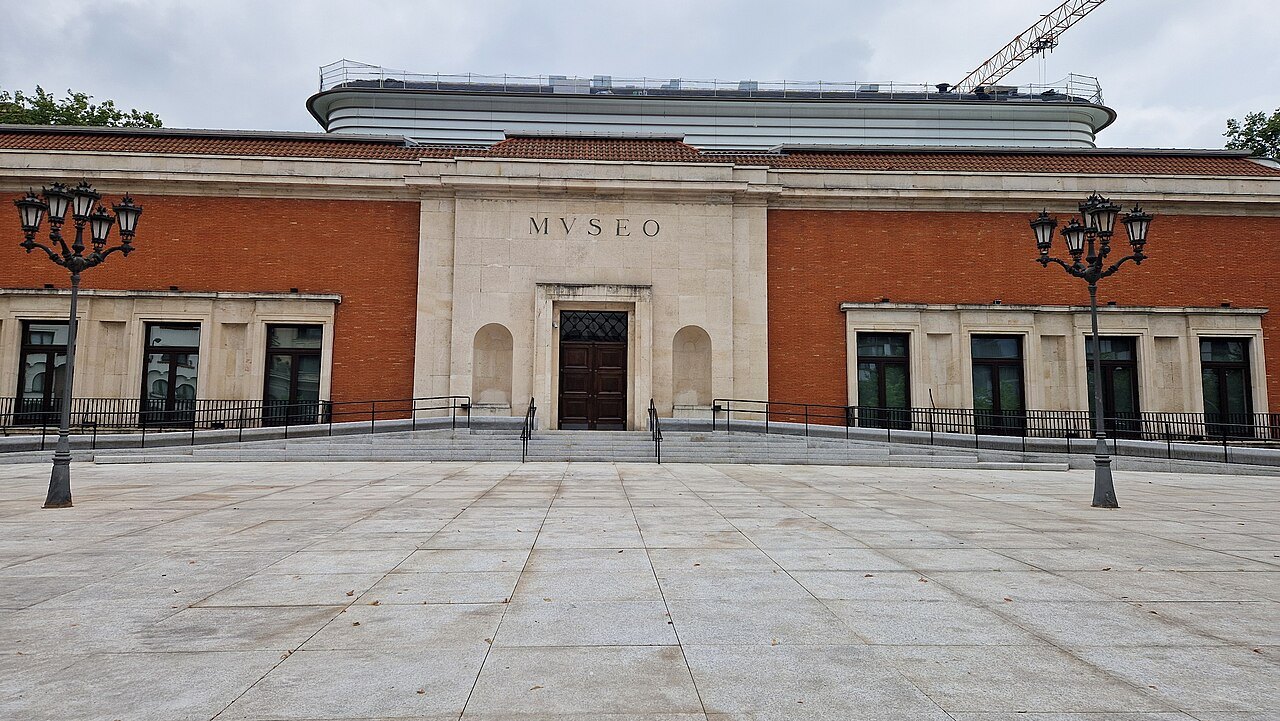
- 1The 1945 buildingA neoclassical front of stone and red brick facing the park, inspired by the great museums of Madrid and Berlin.
- 2The 1970 wingA bolder, lighter modern wing added beside the original building, reopened in October 2025.
- 3The Foster extensionA steel structure by Norman Foster and Luis María Uriarte hovering over the original buildings.
- 4The Arriaga AtriumThe new central hall of the extension, dominated by a sculpture of Euterpe, the muse of music.
- 5The old mastersSpanish and European paintings from El Greco and Goya to Van Dyck and Murillo.
- 6The Basque paintersA deep collection of Basque art of the nineteenth and twentieth centuries.
Reading the place
The sight in full
Why it matters
The Bilbao Fine Arts Museum, Bilboko Arte Ederren Museoa in Basque, is the second largest museum in the Basque Country after the Guggenheim, and one of the largest Spanish art museums outside Madrid. Where the Guggenheim shows modern and contemporary art in rotating exhibitions, the Fine Arts Museum keeps a permanent collection that runs from the Middle Ages to the present day.
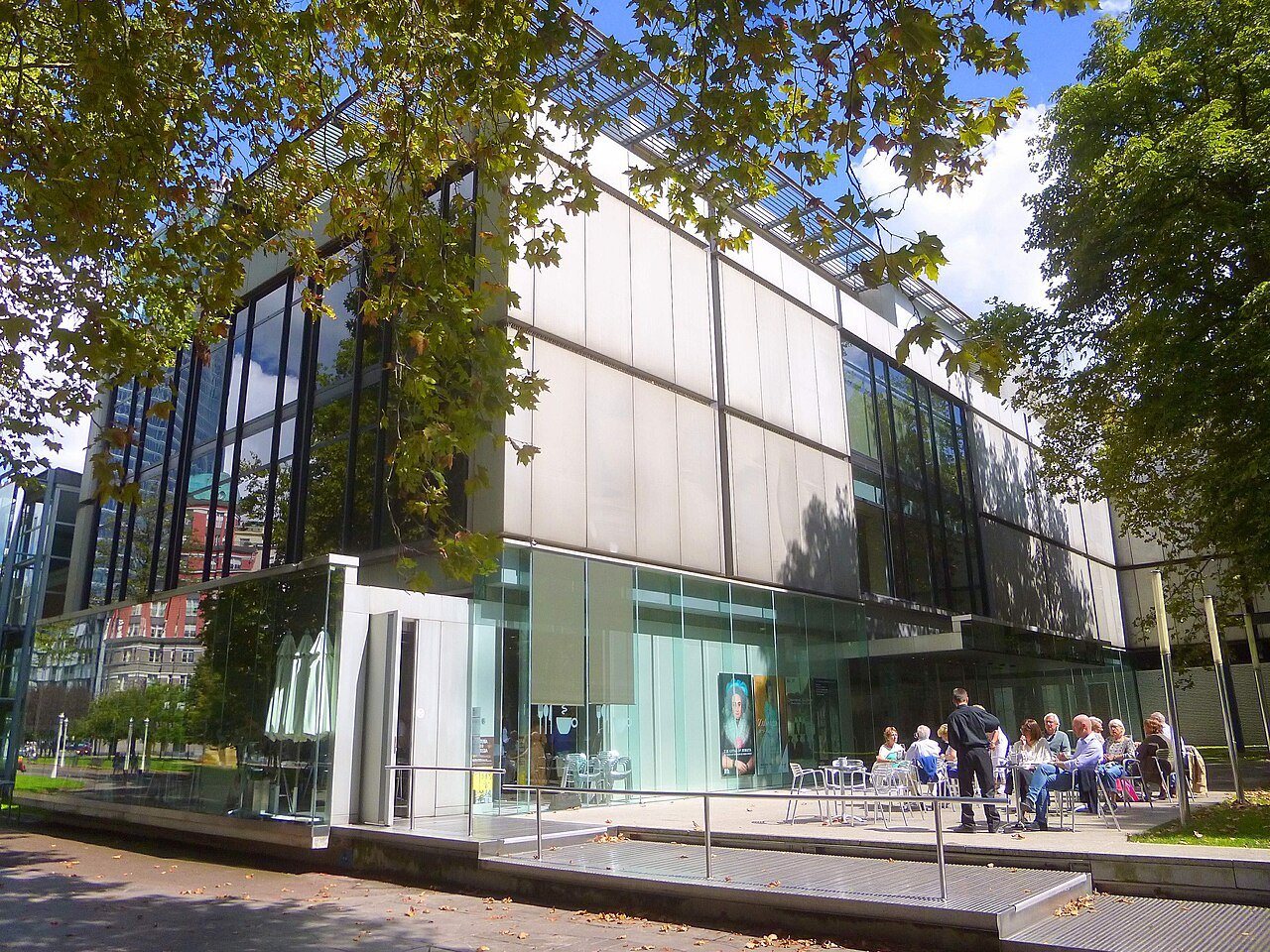
Its collection is considered one of the most important and varied in Spain: Basque, Spanish and European art, with paintings by El Greco, Cranach, Jan Gossaert, Sofonisba Anguissola, Orazio Gentileschi, Murillo, Goya, Luis Paret, Van Dyck, Ruisdael and Bellotto, and nineteenth- and twentieth-century works by Sorolla, Mary Cassatt, Gauguin, Francis Bacon and Richard Serra, among many others. It stands entirely inside Doña Casilda Park.
Two museums become one
The Museum of Fine Arts was founded in 1908 and opened in 1914, at first in the old civil hospital at Atxuri. The decisive push came from the bequest of a large and valuable art collection by the businessman and philanthropist Laureano de Jado, followed by other gifts from Antonio Plasencia, from the provincial institutions, from the Casa de Juntas and from the old merchants' consulate of Bilbao; the Bilbao painter Manuel Losada was one of its main promoters and its first director.
Young Basque artists and their association then pressed for a museum of modern art, and on 25 October 1924 a separate Museum of Modern Art opened. An international exhibition held in the city in 1919 had helped bring it about, and the council bought works shown there by Mary Cassatt, Gauguin and others, which entered the collection. The two museums later came together in one building and one institution, and in 2008 the museum marked its centenary under the slogan 100 years of history, 10 centuries of art.
The buildings
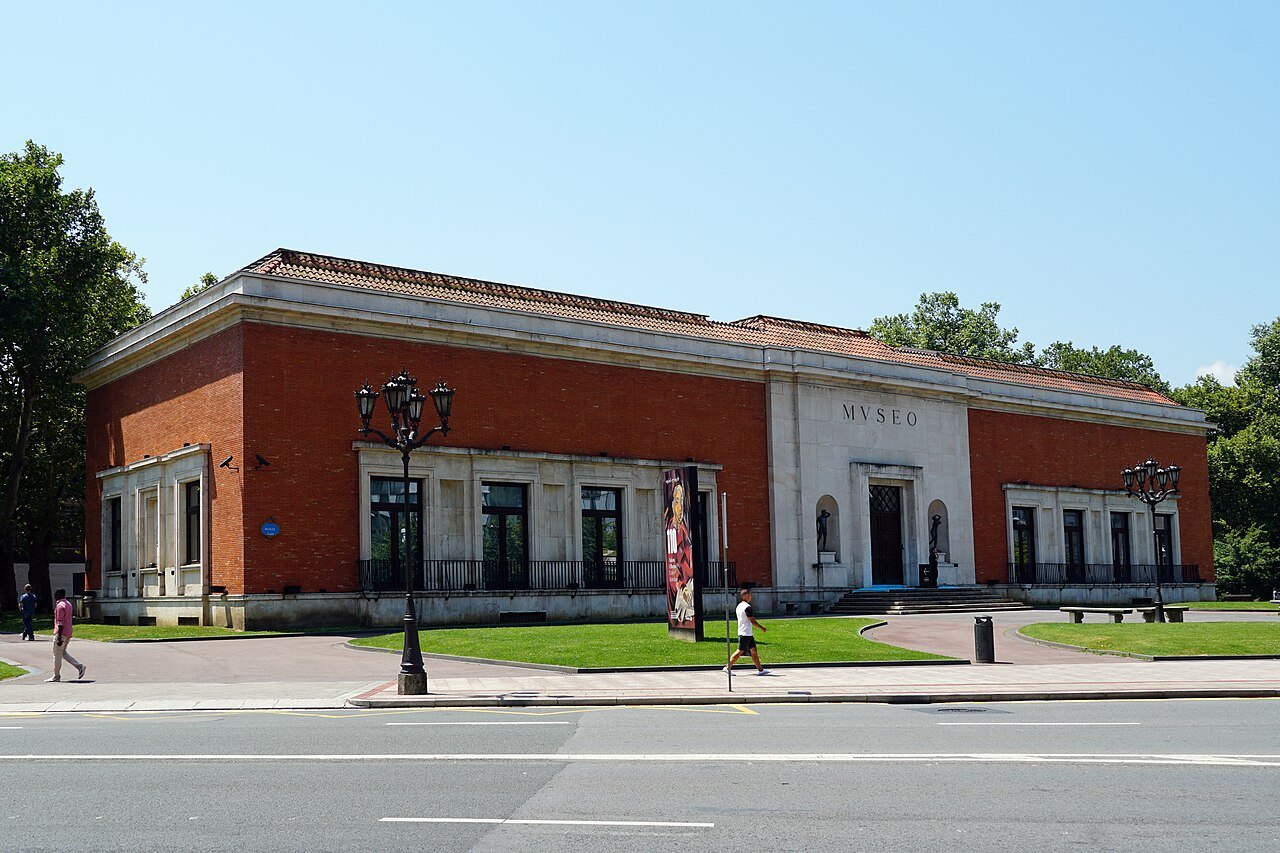
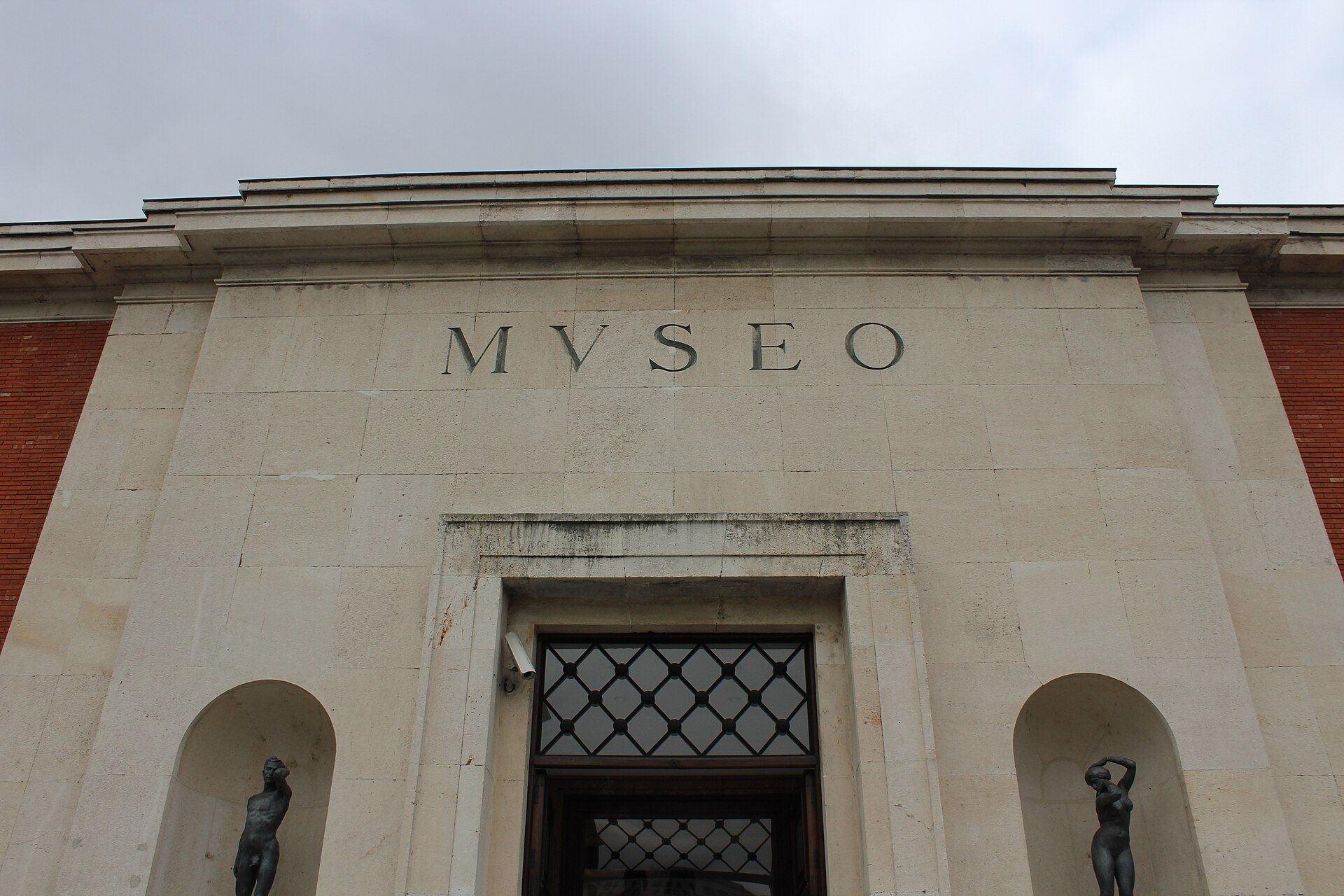
The present building, finished in 1945, has neoclassical forms inspired by Madrid's Prado and Berlin's Altes Museum, combining stone and exposed red brick in the sober, historicist style of the period. It was declared a national monument in 1962. In 1970 a new wing by Álvaro Líbano and Ricardo de Beascoa, bolder and lighter, was added beside it, and a reform finished in 2001 linked the two with a connecting gallery and new visitor spaces.
In 2019 the museum chose a much larger extension, called Agravitas, by Norman Foster with Luis María Uriarte. Work started in the following years without closing the museum: the first steel pillar went up in January 2024, and a steel structure now passes over the original buildings. The renovated 1970 building reopened in October 2025, the new Arriaga Atrium opened for a first open day in June 2026, and the official opening of the extended museum was set for October 2026.
What you see
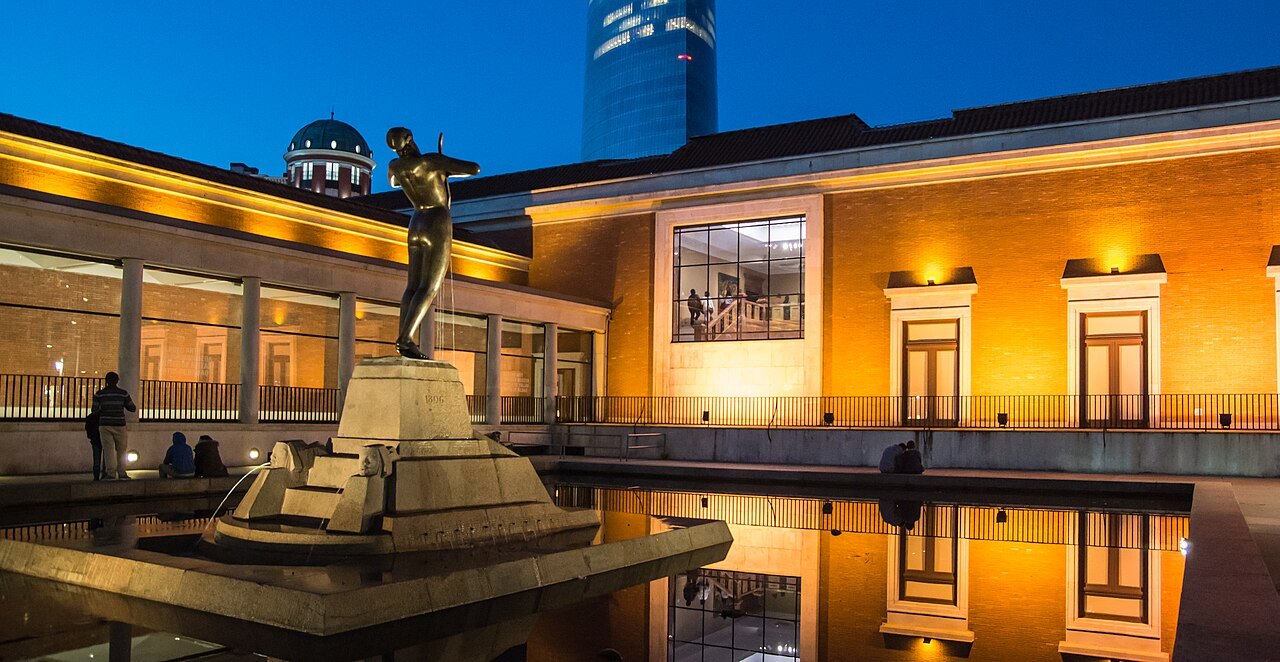
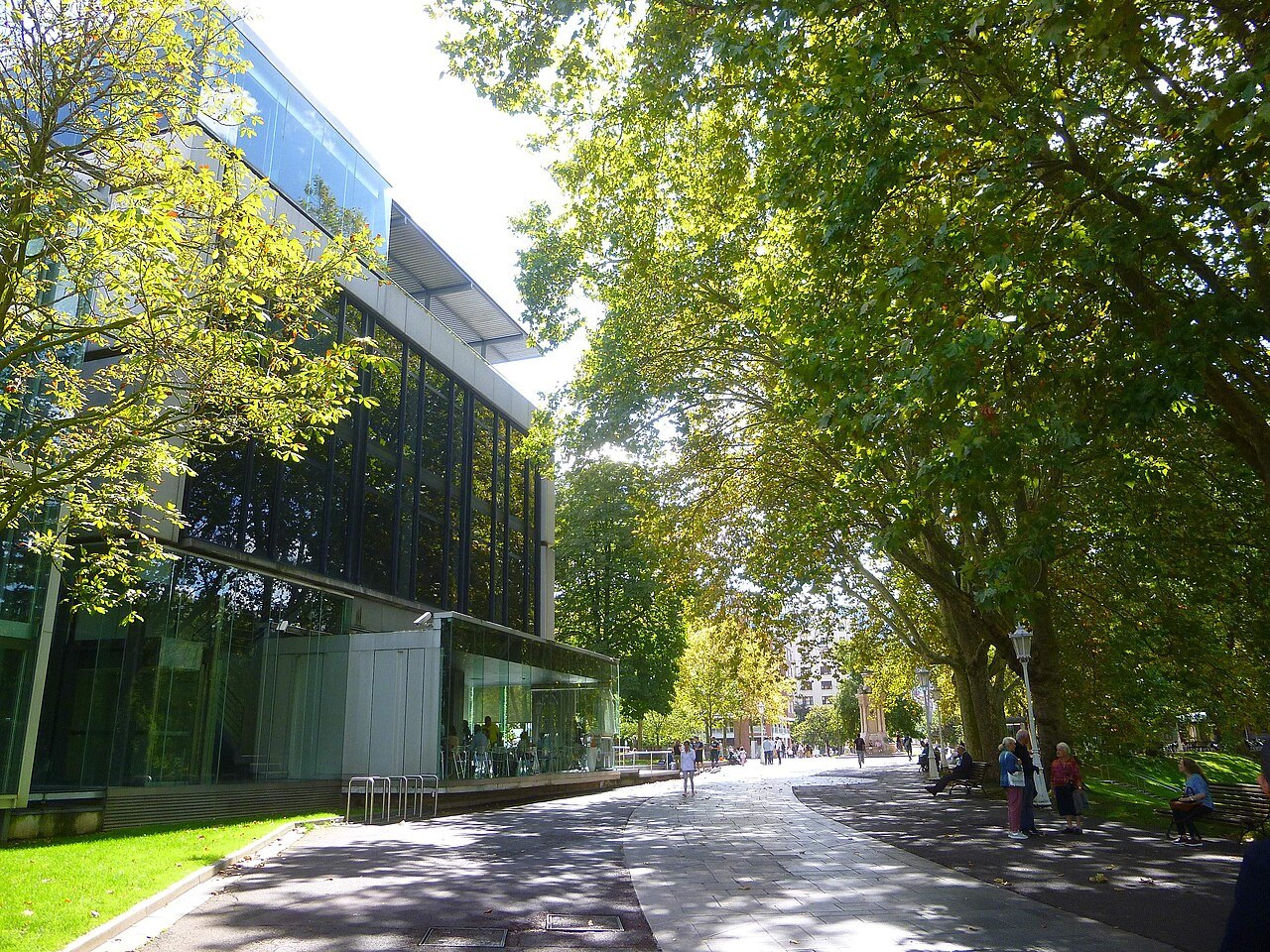
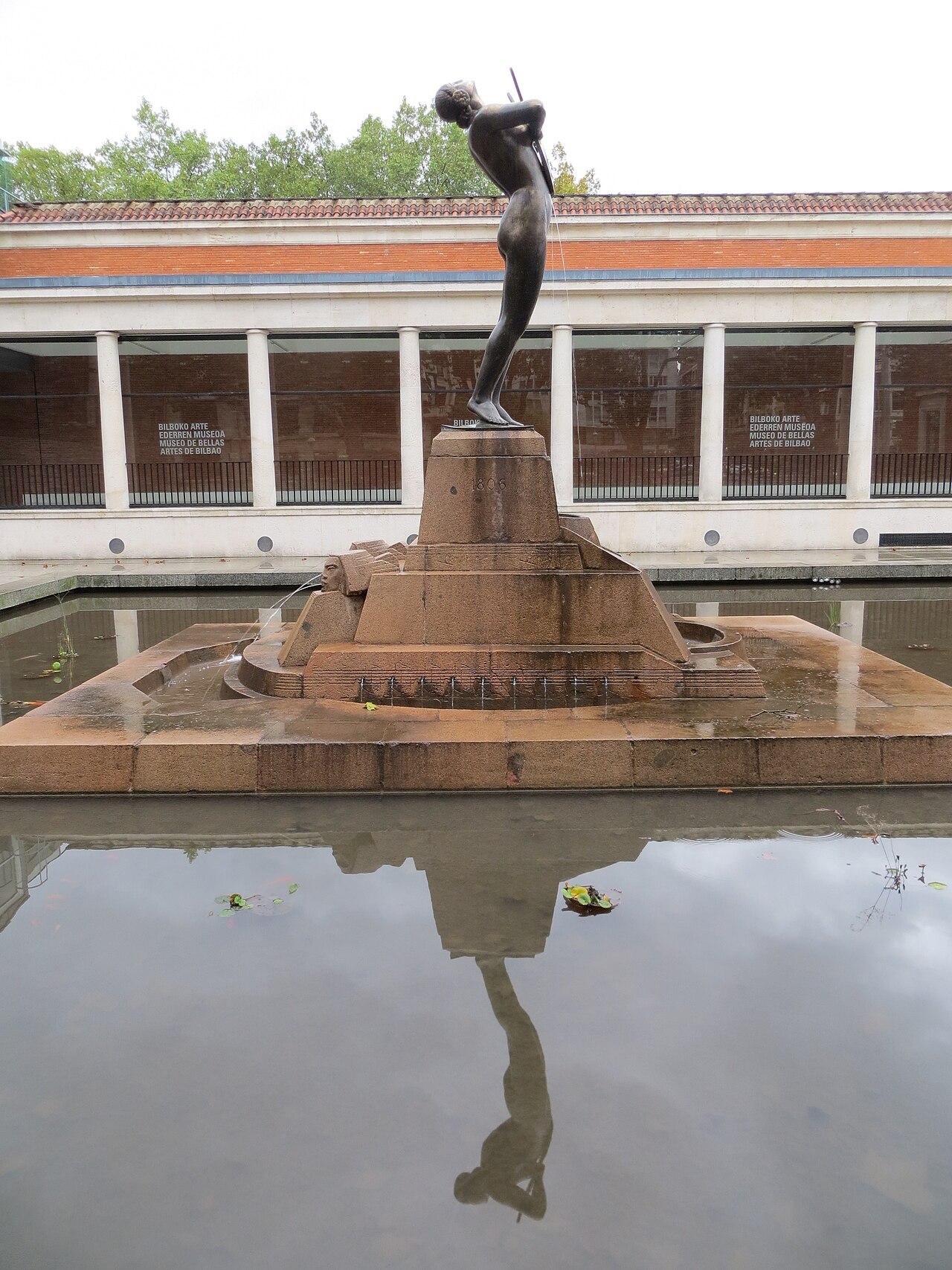
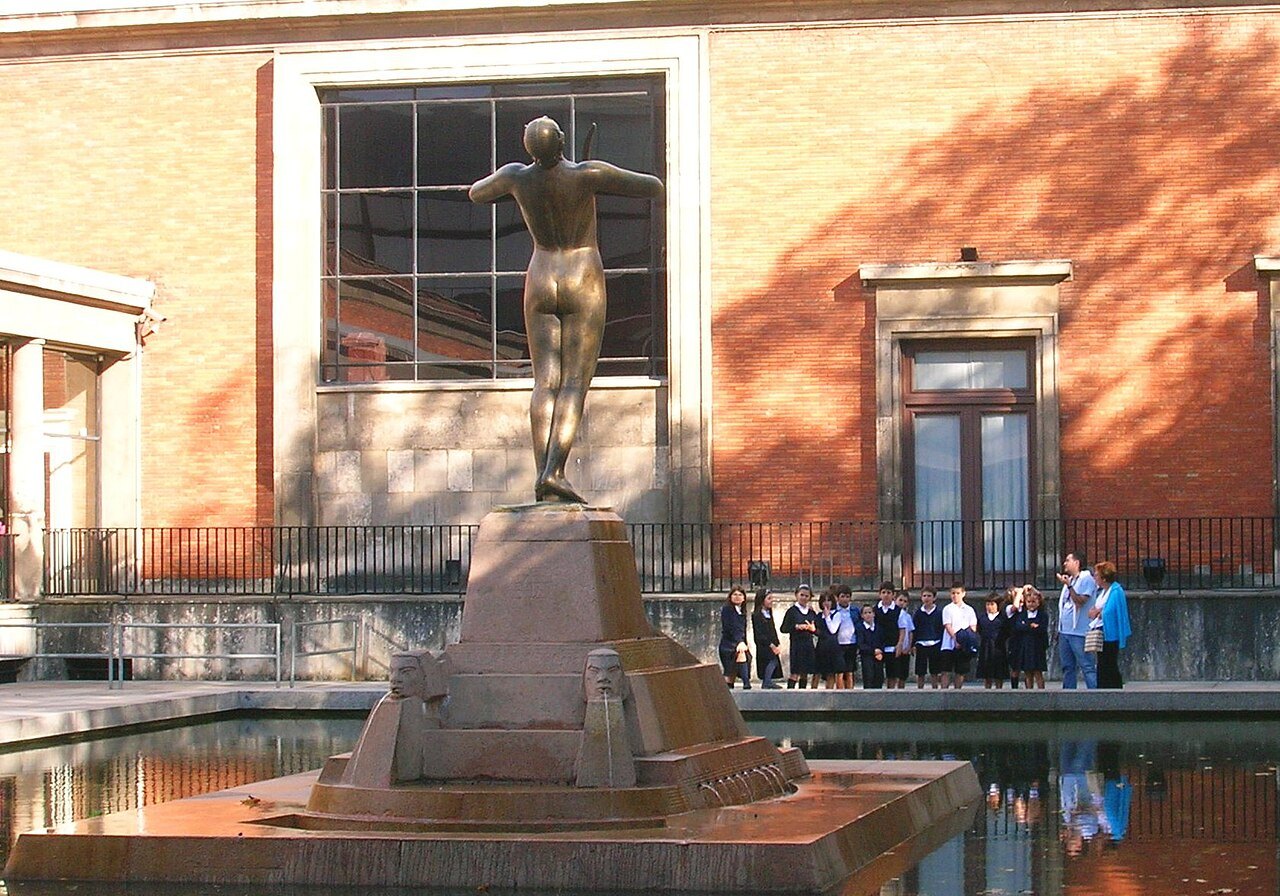
From the park, the 1945 front faces the gardens with the word MUSEO over its door. Outside stand several sculptures, among them the monument to the composer Juan Crisóstomo de Arriaga by Francisco Durrio and a tall figure by Miquel Navarro. The Foster extension rises over the old roofs, and its new atrium, named after Arriaga, is the heart of the enlarged museum, with a sculpture of Euterpe, the muse of music.
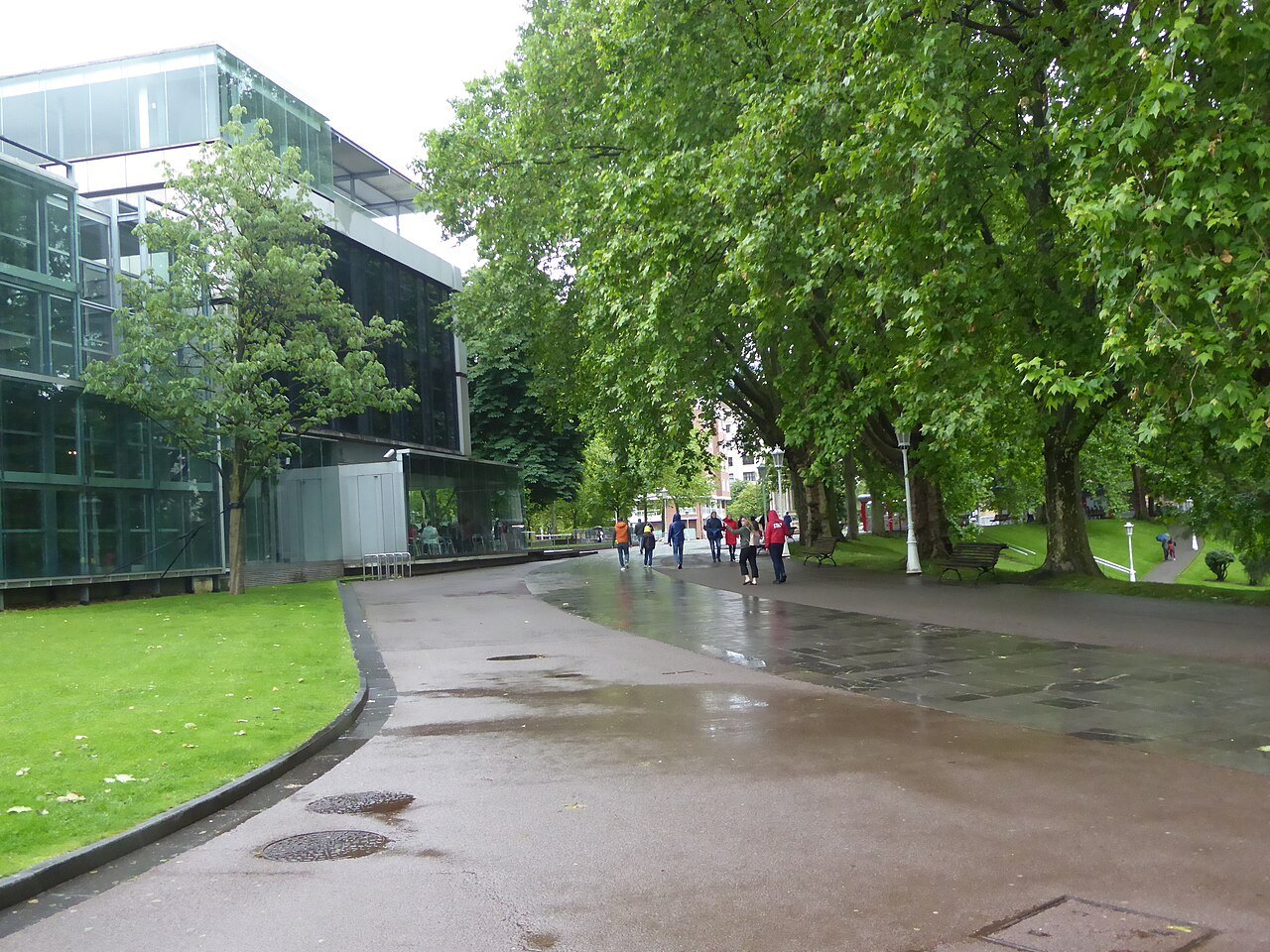
Inside, the permanent collection is shown in 33 galleries, from medieval altarpieces and Flemish panels through the Spanish Golden Age and Goya to Basque painting of the nineteenth and twentieth centuries and modern art. Temporary exhibitions take separate rooms. Expect the layout to change as the extension's galleries open, and use the museum's own map on the day.
How the museum grew
The 1945 building opened as the Museum of Fine Arts and Modern Art of Bilbao, directed by Manuel Losada until his death in 1949. Under later directors the institutions that own it decided to add the 1970 wing, and in the decades that followed the museum gained an exhibition hall, an auditorium, a print room and new departments.
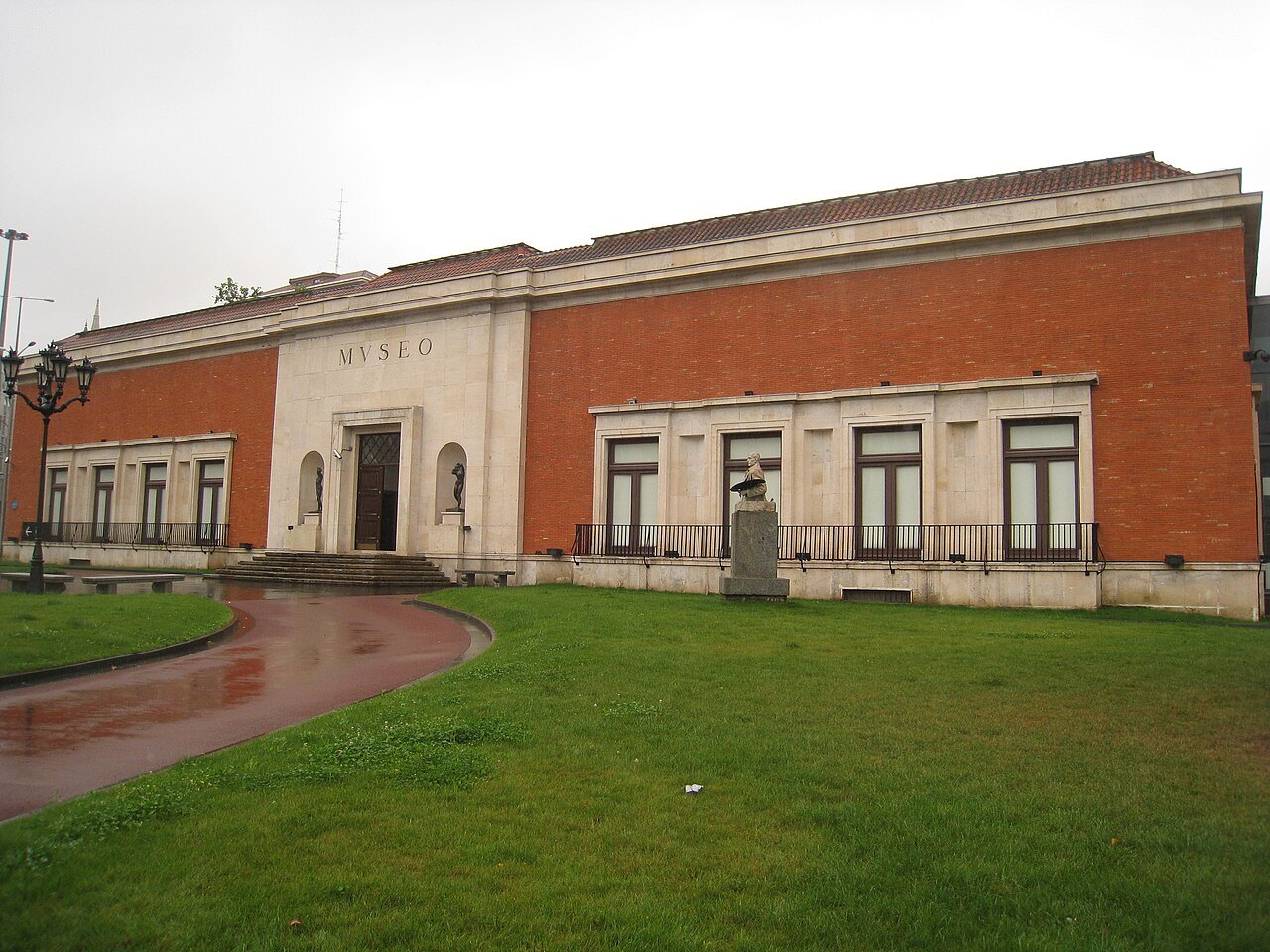
In 1996, under the director Miguel Zugaza, the museum held a competition for a plan of reform and extension, won by Luis María Uriarte, whose work linked the 1940s building and the 1970s wing and freed space for visitors. Zugaza returned as director in 2017 and led the Foster project. Of the museum's floor area, about 5,000 square meters are given to the permanent collection and more than 1,100 to temporary exhibitions, before the new extension is counted.
How to visit
Allow two hours for the collection, more for an exhibition. Opening hours, ticket arrangements and any free periods are set by the museum and have changed during the works, so check its official site before going.
The museum is on the edge of Doña Casilda Park in the Ensanche, about ten minutes' walk from the Guggenheim along the park or the river, and a short walk from the Moyúa Metro station. Combine it with the park's duck pond and gardens and with Azkuna Zentroa; the itineraries page puts the two museums in the same day.
Honest notes
The extension was controversial: a civic group and a report from the Royal Academy of Fine Arts of San Fernando argued in 2021 that it broke heritage law, and building delays pushed the reopening back by more than a year. Whatever you think of it, the museum with its new spaces is larger than ever, and for art before 1950 it is the most important collection in Bilbao.
Nearby
Where to go next
- Nearby · Indautxu · left bankDoña Casilda ParkAn English-style garden laid out from 1907 on land given by Casilda Iturrizar, the servant-turned-philanthropist who became one of Bilbao's richest women: a duck pond, century-old trees, a pergola and the Fine Arts Museum, now running down to the river.Read the page →
- Nearby · Abando · left bankThe GuggenheimFrank Gehry's museum of modern and contemporary art, a cluster of titanium curves on the left bank of the Ría, opened in 1997 on what had been the run-down edge of the city's port.Read the page →
- Nearby · The Ensanche · left bankAzkuna ZentroaThe city's wine warehouse of 1909, a whole block of the Ensanche in early reinforced concrete, gutted and reopened in 2010 as a culture and leisure center by Philippe Starck, with three brick cubes standing on a forest of different columns.Read the page →