Home · Sights · Doña Casilda Park
Doña Casilda Park
What you are looking at
Indautxu · left bank
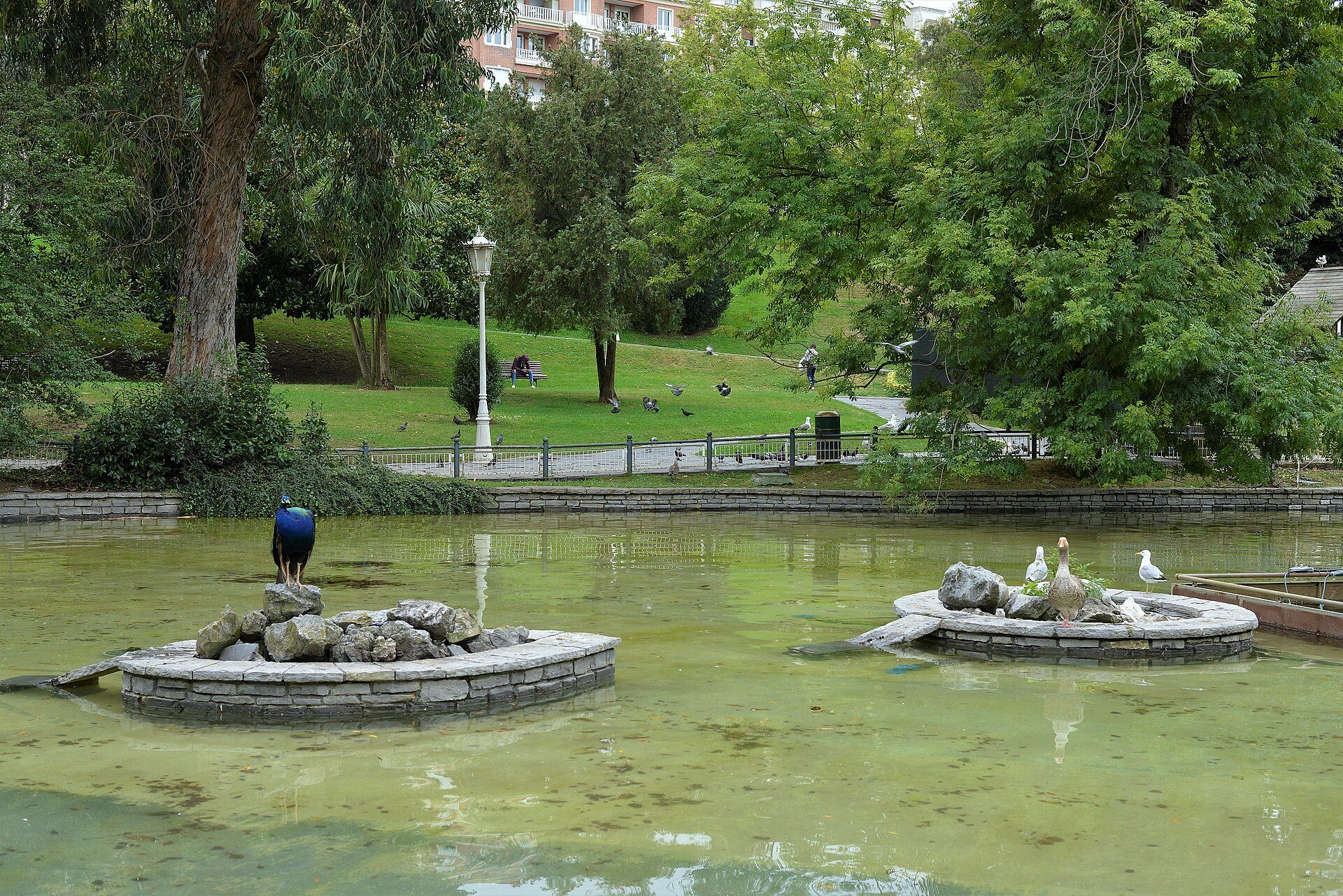
- 1The duck pondThe pond that gives the park its nickname, home to ducks and other waterfowl, with two jets of water.
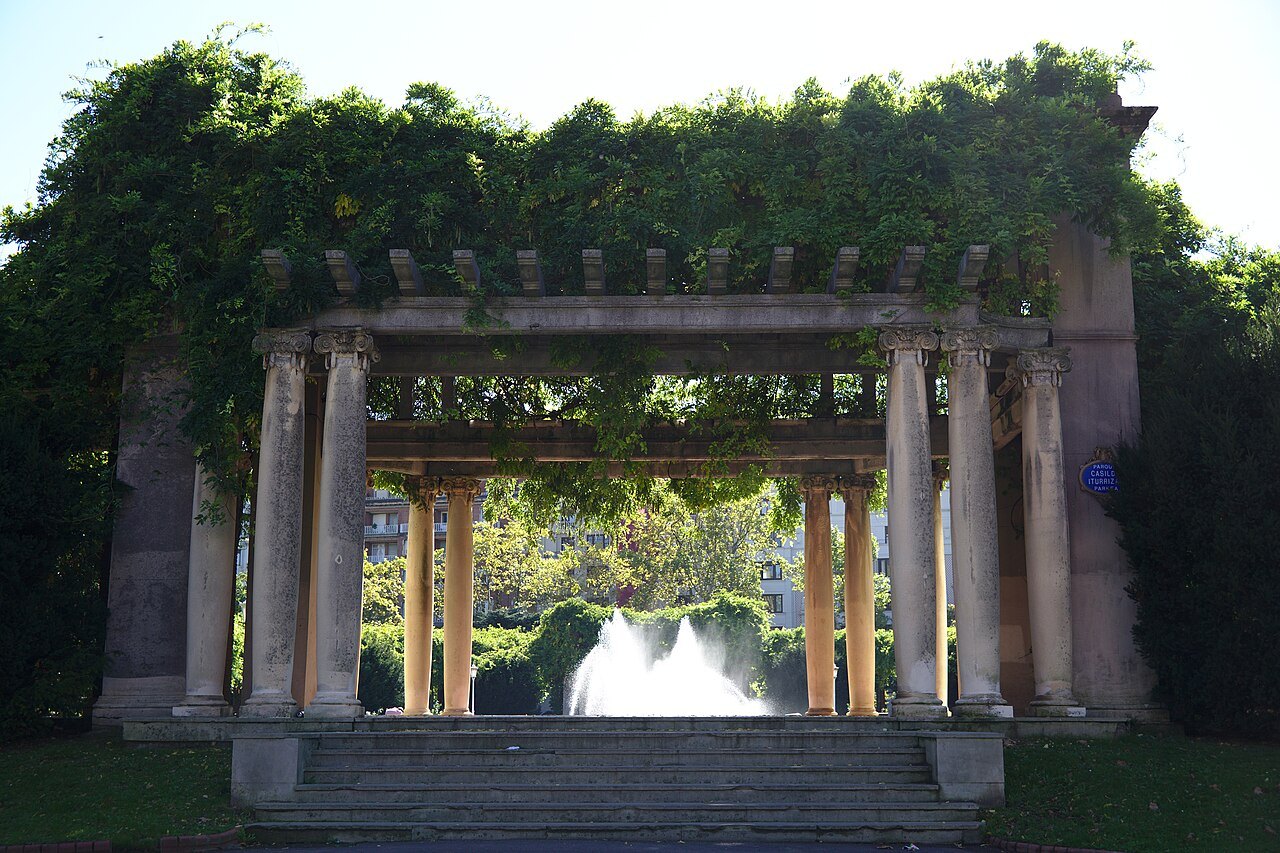
- 2The pergolaA shaded colonnade around the old fountain, once a stage for performances.
- 3The old treesCentury-old specimen trees of many species from the original English-style garden.
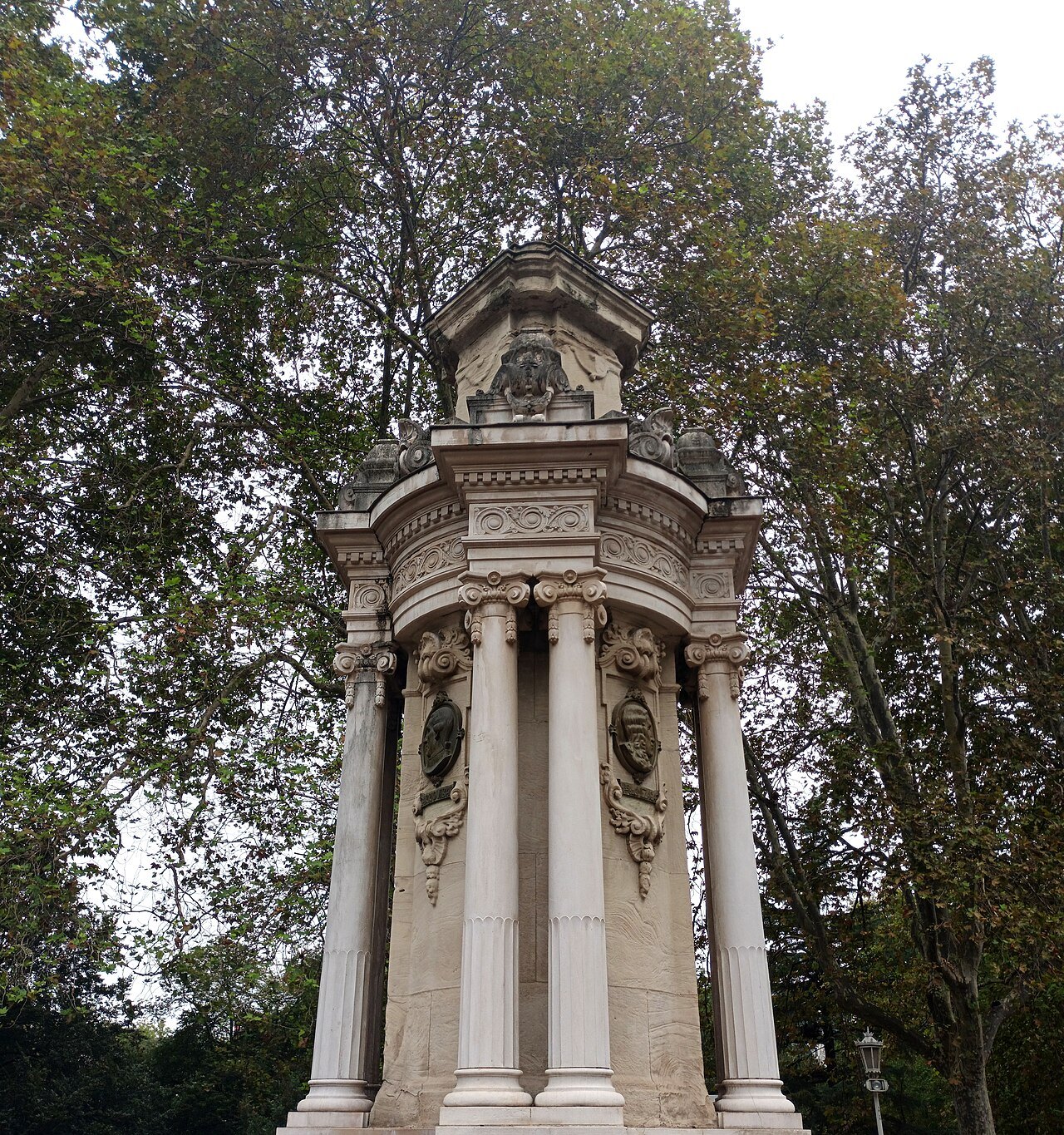
- 4Casilda's monumentA monument to the woman who gave the land, among the park's many statues.
- 5The Forest of LampsA cluster of old street lamps planted like trees in one corner of the park.
- 6The museumThe Fine Arts Museum, built entirely inside the park on its eastern side.
Reading the place
The sight in full
Why it matters
The Parque de Doña Casilda Iturrizar is the main park of central Bilbao, an English-style garden in the Ensanche on the left bank. For most of the twentieth century it was the city's only real green space, and people in Bilbao still call it the Parque de los Patos, the Duck Park, after its pond.
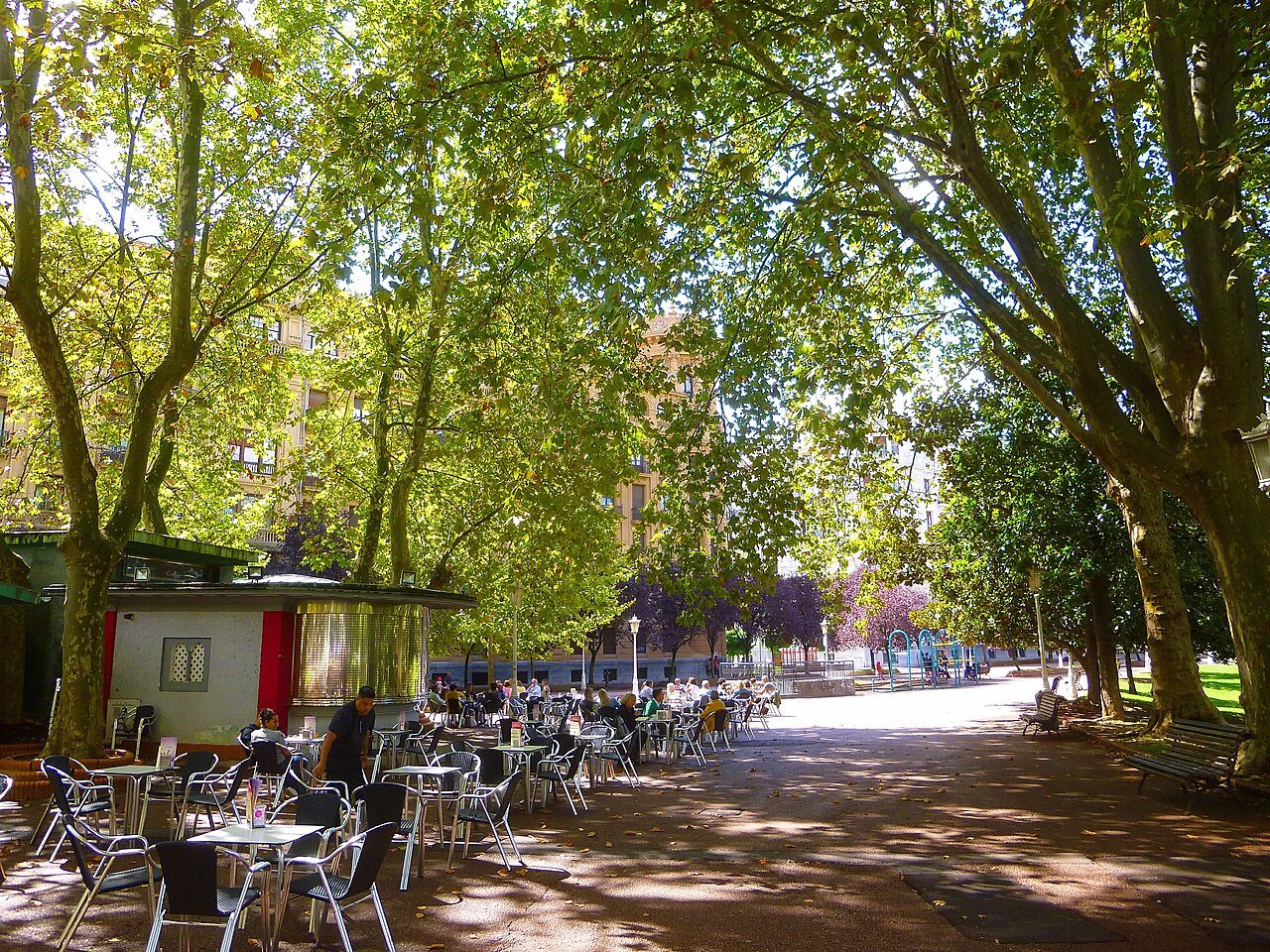
For a visitor it is the pause between the city's two great museums: the Fine Arts Museum stands inside it, and the Guggenheim is a short walk away along the river. Since the riverfront was rebuilt it reaches down to the Ría, so you can walk from the museum's lawns to the water's edge without crossing a main road.
The woman who gave it
The park is named after Casilda Iturrizar, born in Bilbao in 1818 to a modest family. As a young woman she worked as a servant in the house of the merchant Tomás José de Epalza, a businessman who had made his fortune in Cuba and was one of the founders of the Banco de Bilbao. In 1859, after his first marriage was finally dissolved, they married in the church of San Nicolás, beside the Arenal.
When Epalza died in 1873 Casilda inherited everything, one of the three largest fortunes in the city, and managed the business herself, investing in banking, property, railways and coal mining. She spent much of her fortune on charity and culture, paying for schools, hospitals and social works, and she and her husband were guardians of the young architect Alberto de Palacio, who would design the Bizkaia Bridge. She died in 1900. The park stands on land in Abando that she gave to the city, and a street, Viuda de Epalza, the widow of Epalza, also carries her name.
Her mark on the city
Casilda's name turns up all over the city. She paid for the schools on Tívoli street, opened in 1884 and later named after her, and gave large sums to the House of Mercy and the civil hospital, where a pavilion of the Basurto hospital still bears her name. She was one of the main shareholders of the company that built the Nuevo Teatro de Bilbao, now the Teatro Arriaga, and she paid for organs in the cathedral and in San Nicolás.
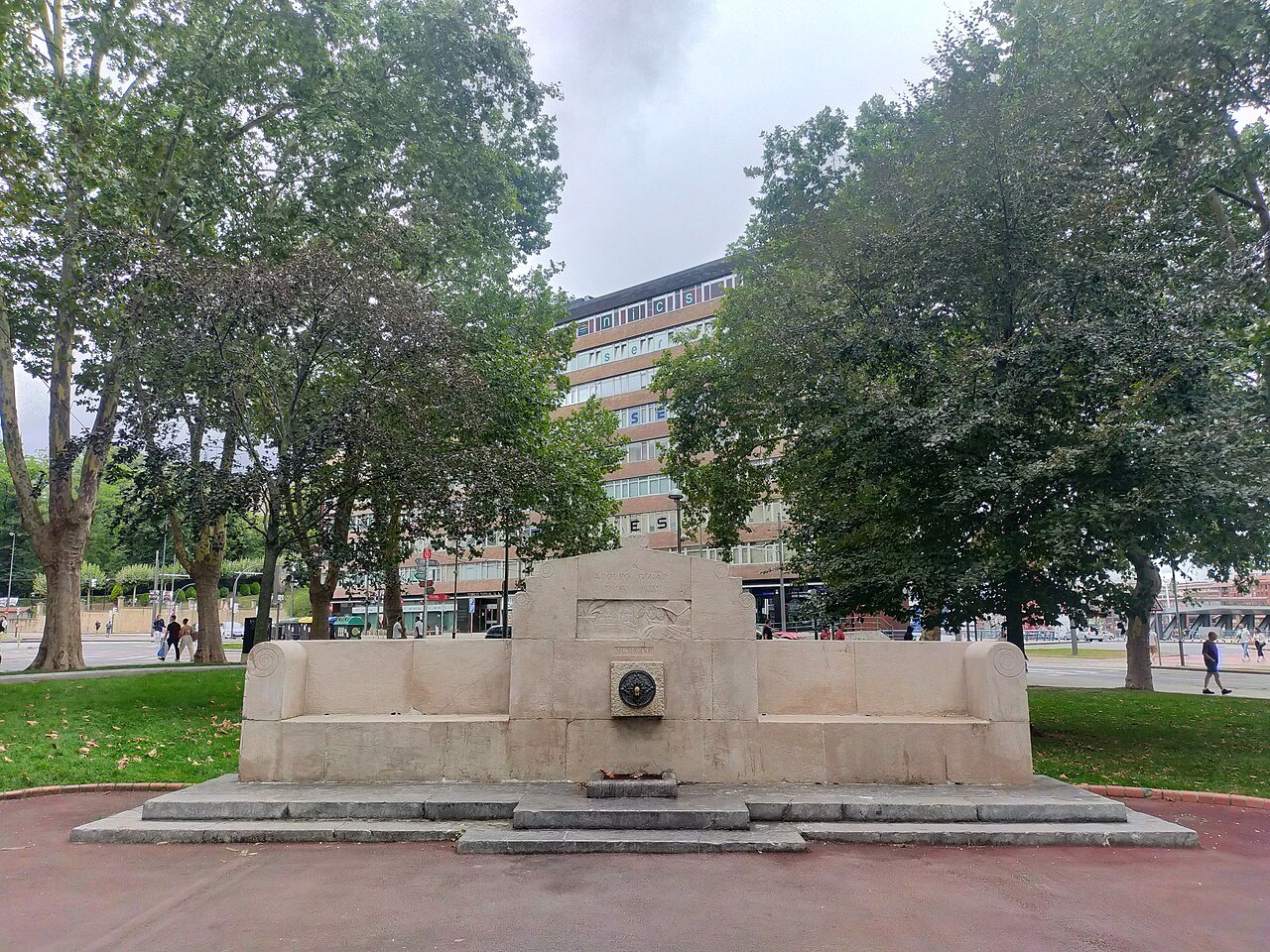
When she died on 22 February 1900 the city placed a plaque on her house saying that heaven had given her great riches which she shared with a generous hand among the needy. She left the Tívoli schools and money for free teaching to the city in her will.
The garden
The park was designed by the architect Ricardo Bastida, who also built the city's wine warehouse, now Azkuna Zentroa, with the engineer Juan de Eguiraun, and work began in 1907. It is an English-style landscape garden, with curving paths, lawns and groups of trees rather than formal beds, and many of its trees are now more than a century old.
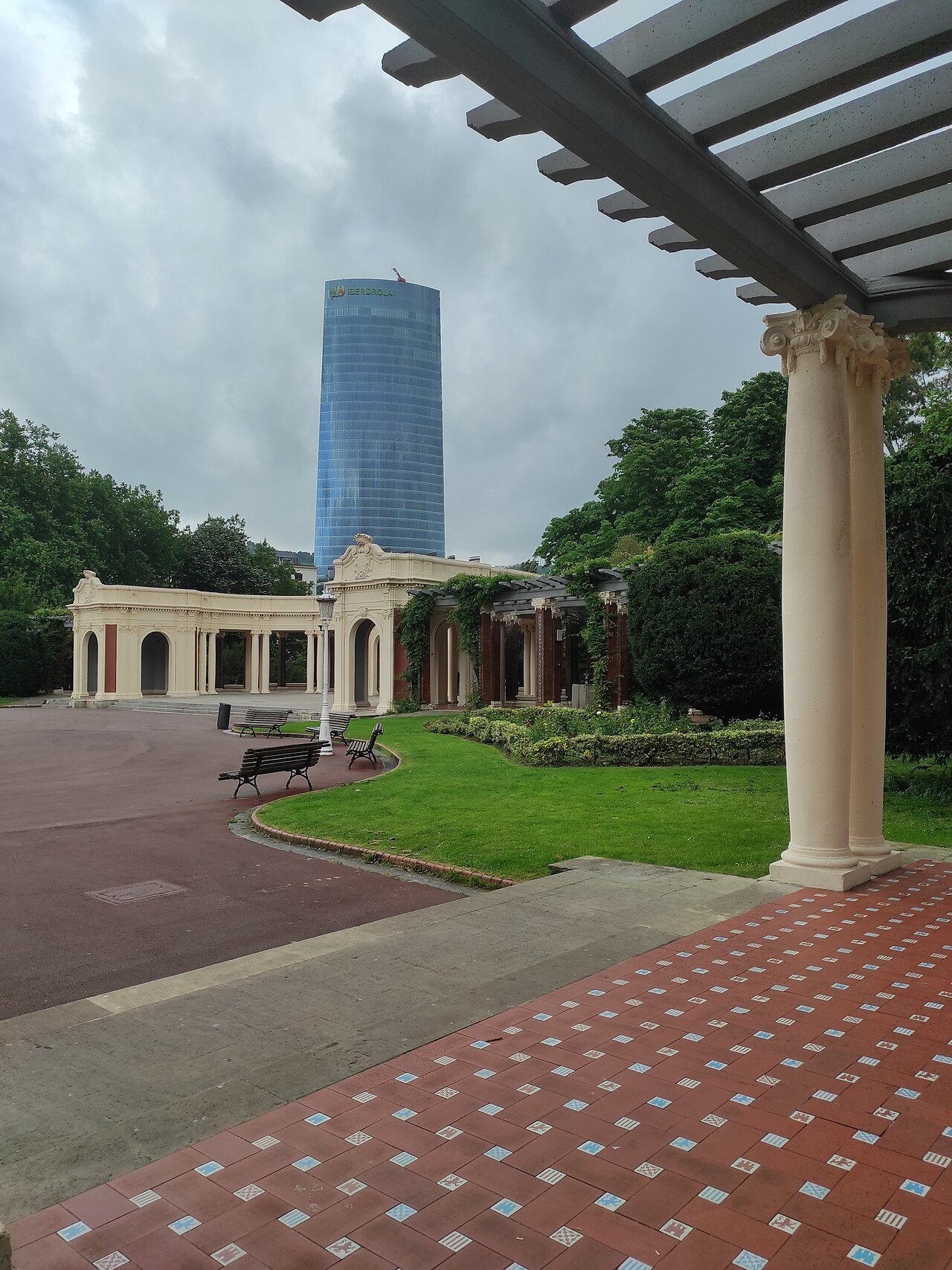
The pond, with several species of waterfowl, is the park's heart, and two jets of water rise from it. Nearby, a pergola, a shaded colonnade once used for performances, surrounds a fountain that gave light, water and sound shows and is now an ornamental fountain. There is an open area used for concerts and public events and a classic carousel for children.
Statues and monuments
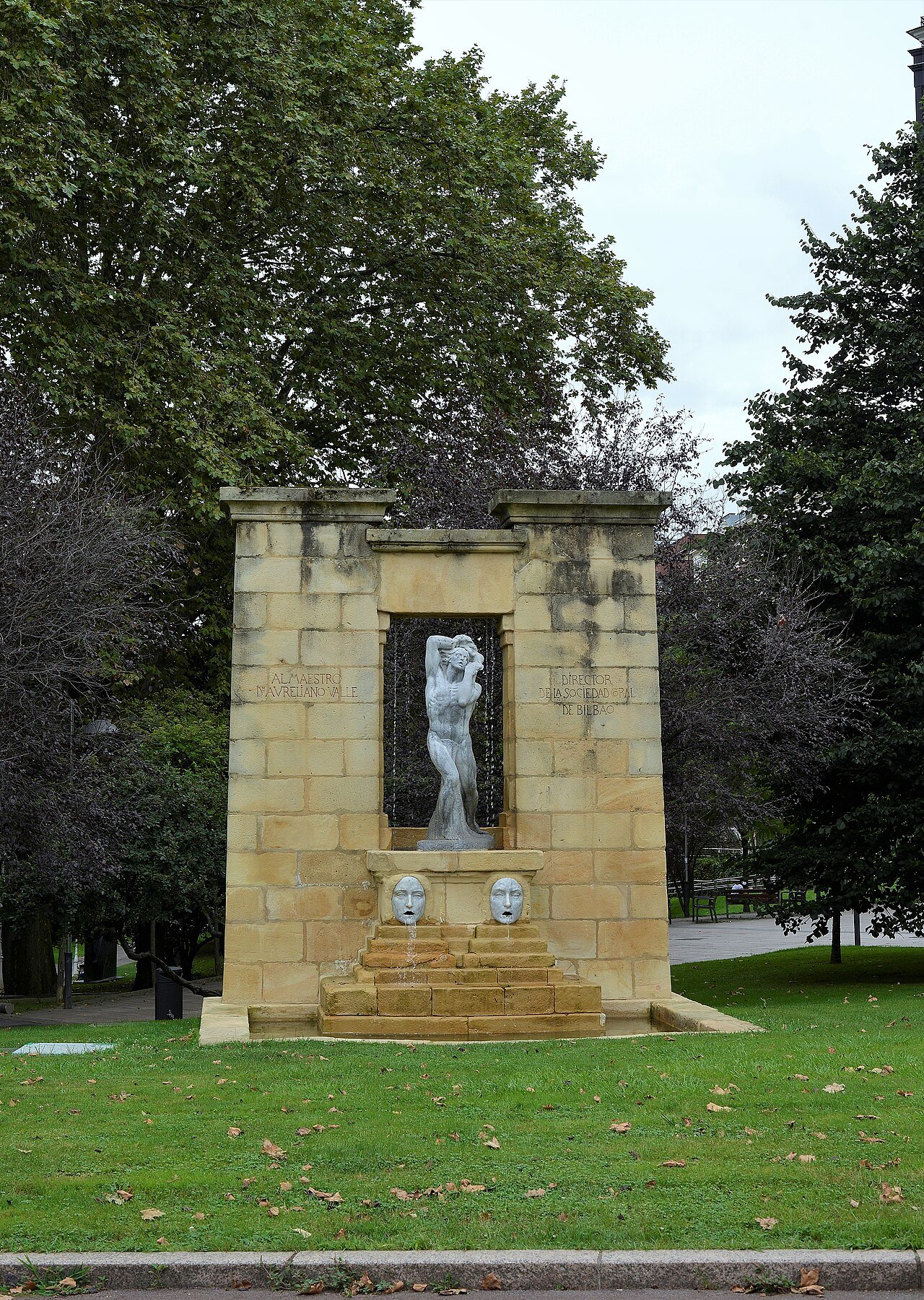
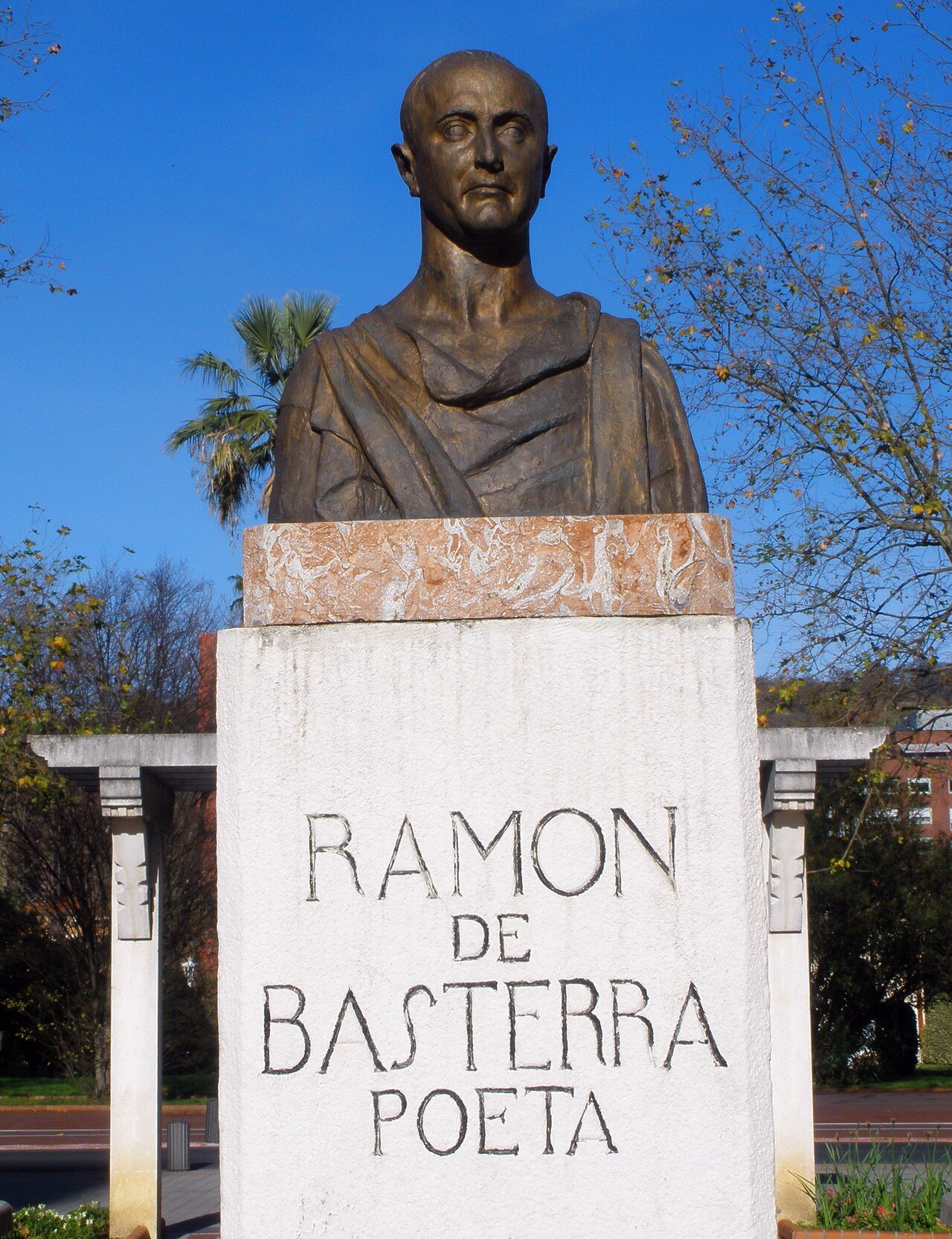
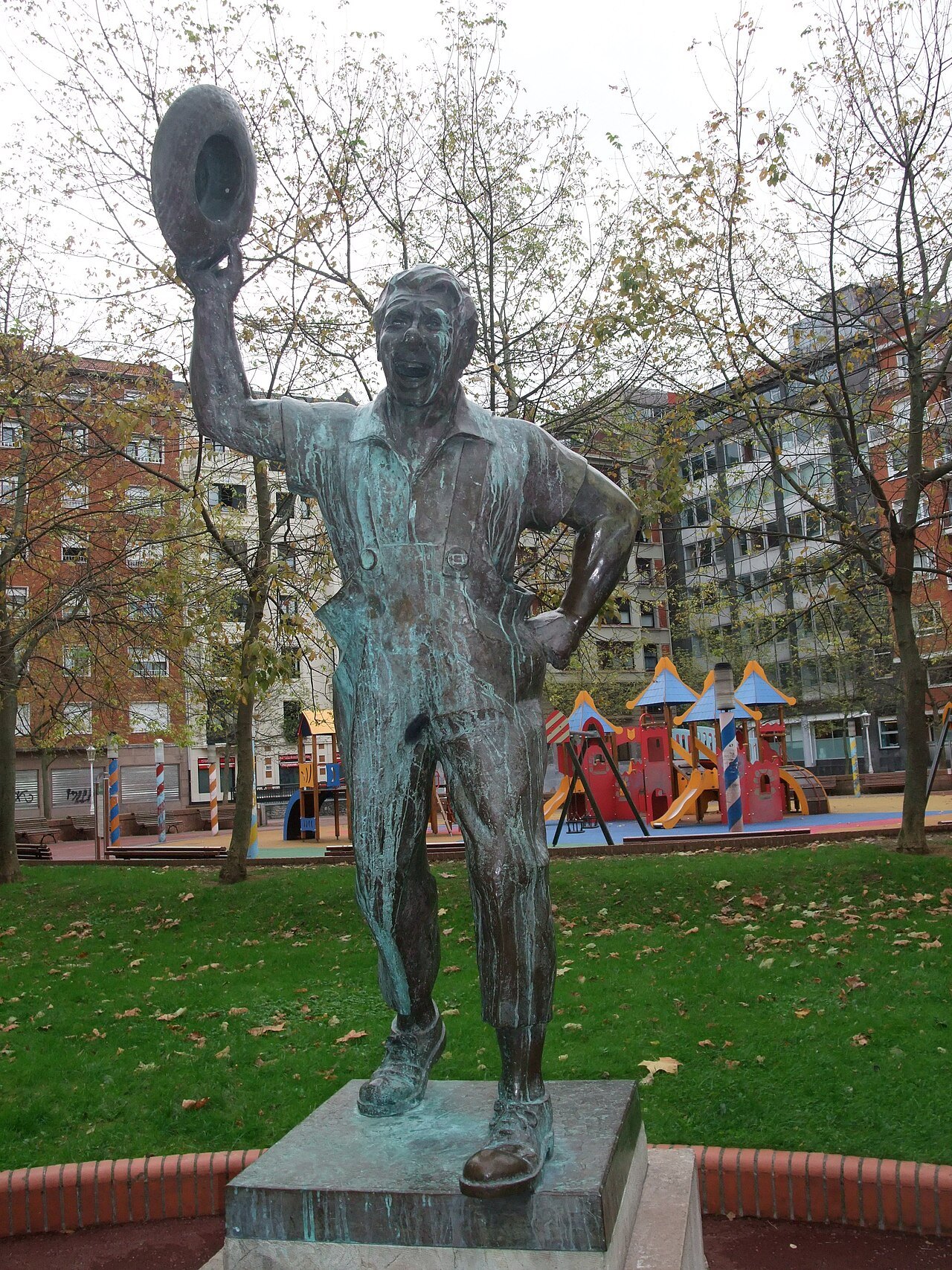
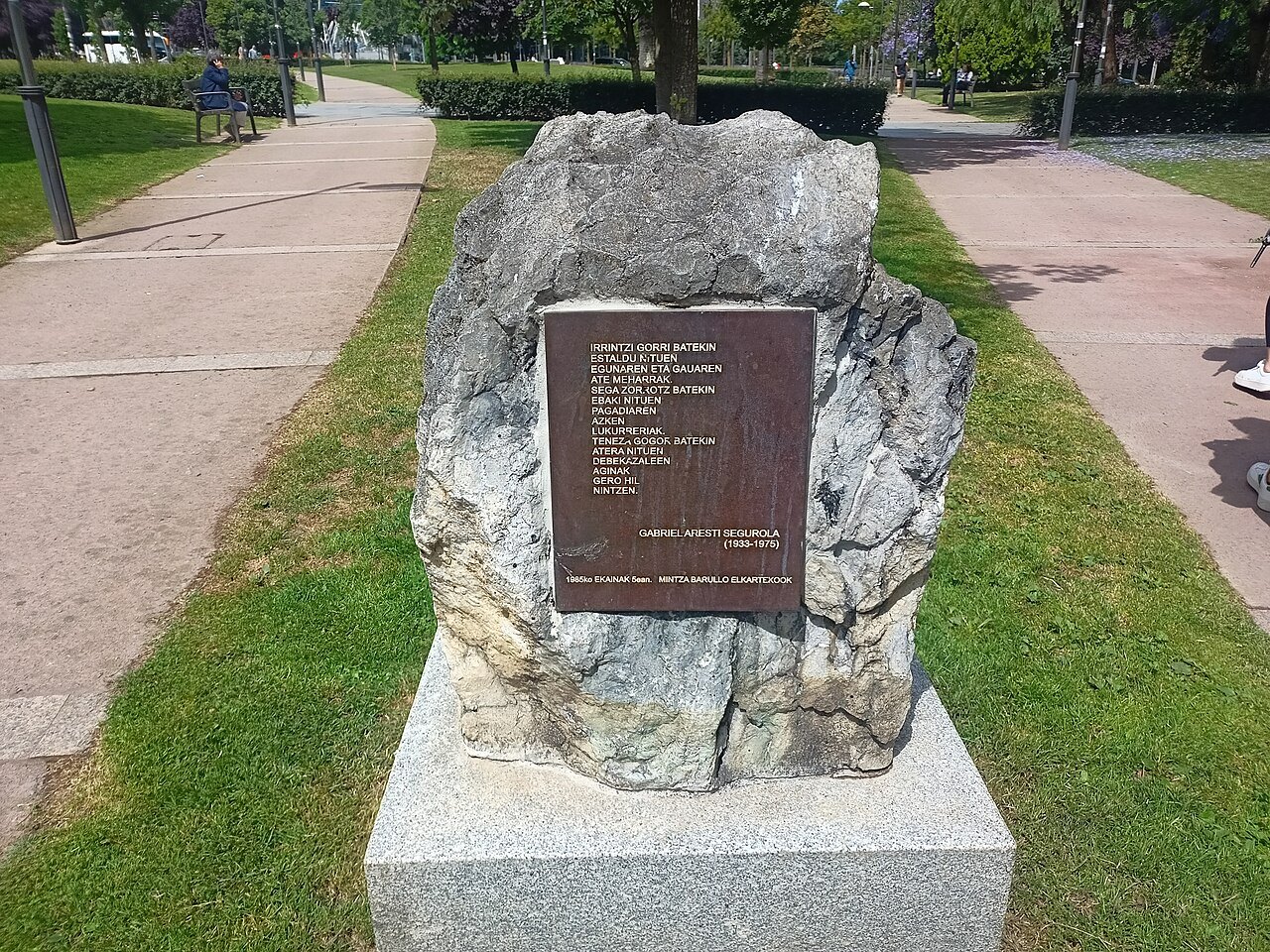
The park is full of monuments, and finding them is part of a walk through it. There is a monument to Casilda Iturrizar herself, by the sculptor Agustín Querol, unveiled by the city in 1906 in the Plaza Elíptica and later moved here, and others to the painter Adolfo Guiard, the poet Ramón de Basterra, the poet Gabriel Aresti, the musician Aureliano Valle and the Tonetti brothers, a famous family of clowns. A bronze figure of a reader, Leyendo, by Joaquín Lucarini sits among the trees.
In one corner stands the Bosque de Farolas, the Forest of Lamps, a group of old street lamps planted together like a grove. Around the Fine Arts Museum are more sculptures, among them the monument to the composer Juan Crisóstomo de Arriaga by Francisco Durrio.
A park that lost ground and gained it back
During the twentieth century the park lost ground. The Fine Arts Museum was built entirely inside it, and a four-lane road into the city center, the park road, was cut along its northern edge, separating it from the river and the shipyards beyond.
Since 2006 the rebuilding of Abandoibarra has given that ground back: the park road was removed and the park was extended over land that once belonged to the Euskalduna shipyards, joining it to the new riverside walks. It is still the main green space of the city, though no longer the only one.
How to visit
The park is public and costs nothing to enter; allow half an hour for a walk, longer with a stop at the pond or a visit to the museum. It lies in the Ensanche between the Fine Arts Museum, the Euskalduna and the Iberdrola Tower, a short walk from the Moyúa and San Mamés Metro stations and the riverside tram.
It is a good place to break a day of museums: start at the Guggenheim, walk the river to the park, see the Fine Arts Museum, and finish at the duck pond. The itineraries page builds a day around it.
Honest notes
The water and light shows that made the fountain famous are no longer a regular feature, and the pond has changed its birds over the years; the park is a quiet city garden rather than an attraction, used every day by the people who live around it.
Nearby
Where to go next
- Nearby · Doña Casilda Park · left bankThe Fine Arts MuseumBilbao's museum of art from the Middle Ages to the present, founded in 1908 and housed in a neoclassical building of 1945 inside Doña Casilda Park, now joined to its 1970 wing and a new extension by Norman Foster.Read the page →
- Nearby · Abando · left bankAbandoibarraThe riverside strip of shipyards and railway yards below the Ensanche, rebuilt since the 1990s into a district of museums, gardens and new architecture, with César Pelli's Iberdrola Tower, the tallest building in the Basque Country, at its center.Read the page →
- Nearby · Abando · left bankThe GuggenheimFrank Gehry's museum of modern and contemporary art, a cluster of titanium curves on the left bank of the Ría, opened in 1997 on what had been the run-down edge of the city's port.Read the page →