Home · Where to Stay
Six bases along the river
Where to stay
- Casco ViejoFirst visits, pintxo bars on the doorstep, character over spaceThe Seven Streets of the medieval town, with the cathedral, the market and the Plaza Nueva. Lively, walkable and full of bars; rooms are often small and the lanes busy at night.
- Abando and the EnsancheComfort, transport links and the museums within a walkThe nineteenth-century grid around the Gran Vía and the Plaza Elíptica, with the main stations, shops, banks and grand hotels. Central and convenient, busy by day and quieter at night.
- IndautxuLonger stays, local life, Doña Casilda Park nearbyThe residential part of the Abando district around its own square and Metro station, with shops, cafés and clinics. A local neighborhood rather than a tourist one.
- The riverfrontArt and architecture lovers, the Guggenheim at the doorThe rebuilt riverside between the Guggenheim and the Euskalduna, with modern hotels, the park and the tram. Calm in the evening and a short walk from the Ensanche.
- DeustoQuieter nights, views of the museum, the university quarterThe district across the river from Abandoibarra, home to the University of Deusto and a student atmosphere, linked to the center by bridges and the Metro.
- Bilbao La ViejaIndependent travelers, galleries and bars, the river crossing to the old townThe old district across the San Antón bridge from the Casco Viejo, regenerated since the 1990s, with small bars, art spaces and a long history of its own.
Where to Stay
In full
Stay central
Bilbao is a compact city along a river, and its sights lie in a band a few miles long from the old town down to the Euskalduna. Wherever you stay in the center, the main sights are within a walk or a few stops on the Metro or the tram. That makes the choice of area a matter of atmosphere: medieval lanes and bars, grand avenues and big hotels, modern architecture by the water, or a quieter residential street.
The map below shows the districts named here. Hotels on the hills, in upper Begoña or on the slopes of Artxanda, can be lovely but involve steep climbs; check the walk to the nearest Metro or tram stop before you book, especially with luggage. The getting around page explains the funicular, lifts and trains.
Casco Viejo
The Casco Viejo, or Zazpikaleak, the Seven Streets, is the medieval town on the right bank where Bilbao began. It holds the cathedral, the Mercado de la Ribera, the Plaza Nueva and the Teatro Arriaga, and its narrow streets are lined with pintxo bars, shops and old houses. Everything here is on foot, and the Metro station under the old town connects all three lines.
It suits a first visit and anyone who wants to step out of the door into the life of the city. The trade-off is space and quiet: many buildings are old, rooms tend to be small, and the bars are busy into the evening and at weekends, particularly during the August festival.
Abando and the Ensanche
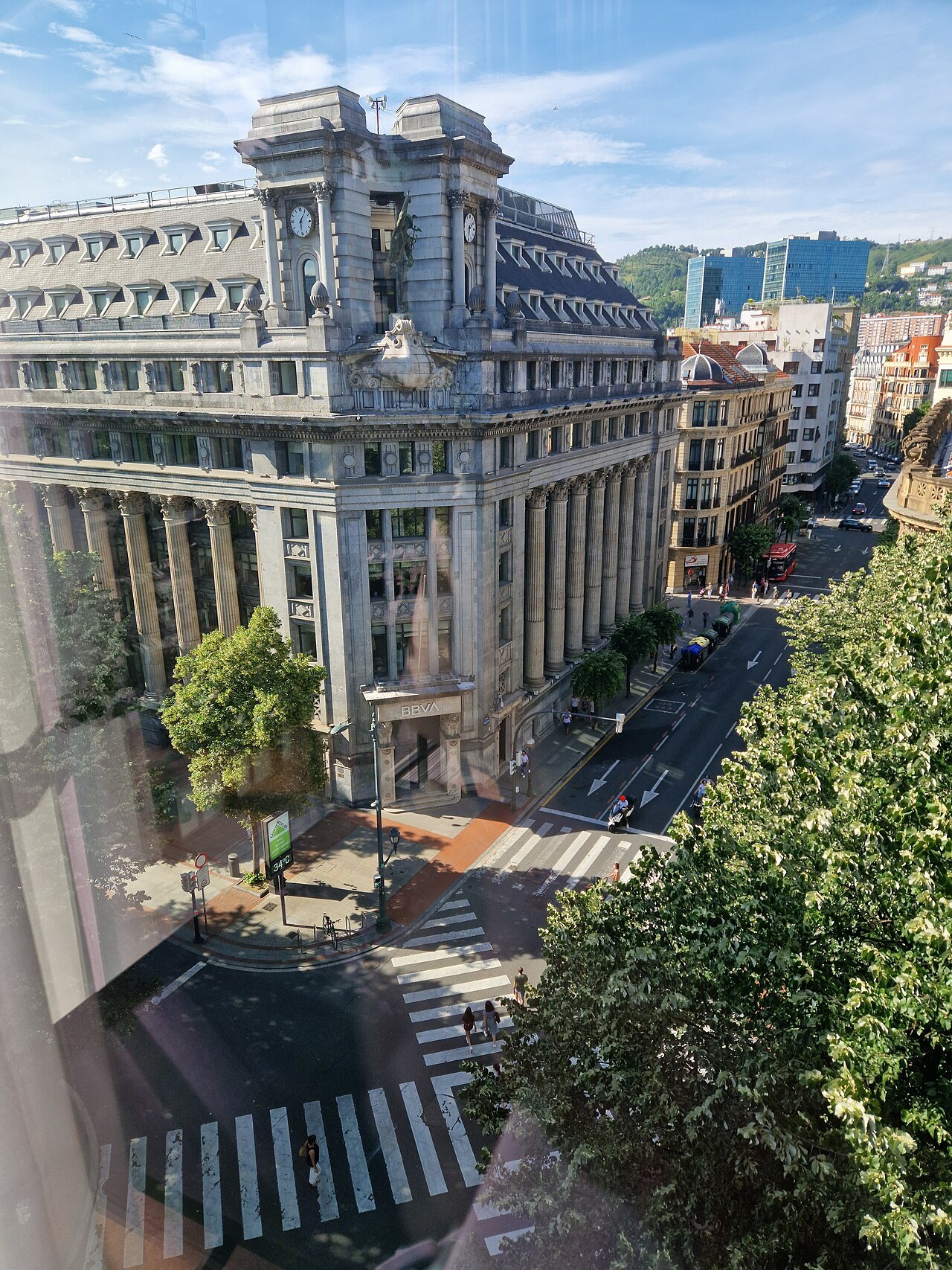
Across the river, the Ensanche, the planned extension laid out on the land of the old town of Abando, is the city's commercial and financial center. The plan by the architect Severino de Achúcarro and the engineers Pablo de Alzola and Ernesto de Hoffmeyer, approved in 1876, set the Plaza Elíptica at its center, crossed by the 30-meter-wide Gran Vía de Don Diego López de Haro. Abando was annexed to Bilbao partly in 1870 and completely in 1890.
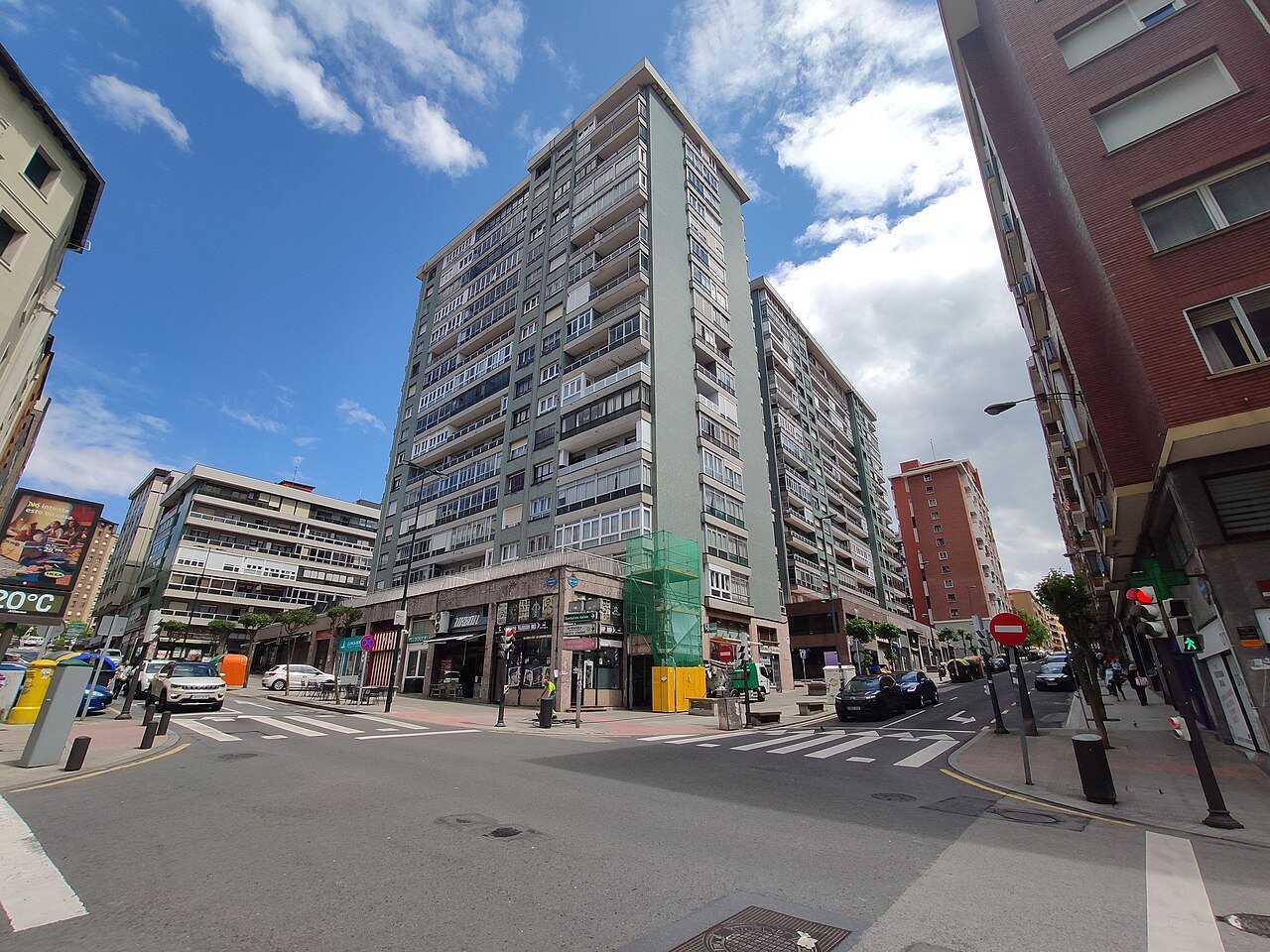
This is the area of the main railway stations, the Bizkaibus airport stop, the provincial government building, banks, department stores and many of the larger hotels. It is central, well connected and comfortable, with the Guggenheim and the Fine Arts Museum a short walk away. Indautxu, its residential western part, centers on the Plaza de Indautxu, with a Metro station and a small shopping center beneath it, and is a good base for a longer, more local stay.
The riverfront
Between the Guggenheim and the Euskalduna, Abandoibarra was rebuilt from shipyards and railway yards into a district of gardens, promenades and new buildings, with hotels among them. Staying here puts the museum, the river walk and Doña Casilda Park at your door, and the tram along the river takes you to the old town in minutes.
It is quieter than the old town in the evening, with fewer bars, but the Ensanche's streets are only a few blocks inland. It suits travelers who come above all for the art and architecture, and anyone who likes an early walk by the water.
Deusto
Deusto is the district across the river from Abandoibarra, an independent town until 1 January 1925, when Bilbao annexed it. Much of its land climbs the slopes of Artxanda, and it is known as a student quarter, home to the University of Deusto, a faculty of the University of the Basque Country and the official language school.
From its riverbank you look straight across at the Guggenheim and the Iberdrola Tower. It is quieter and more residential than the center, with the Metro and several bridges, among them the Deusto bridge and the Pedro Arrupe footbridge, connecting it to the left bank. Downstream lies Zorrotzaurre, the island being rebuilt as a new district.
Bilbao La Vieja
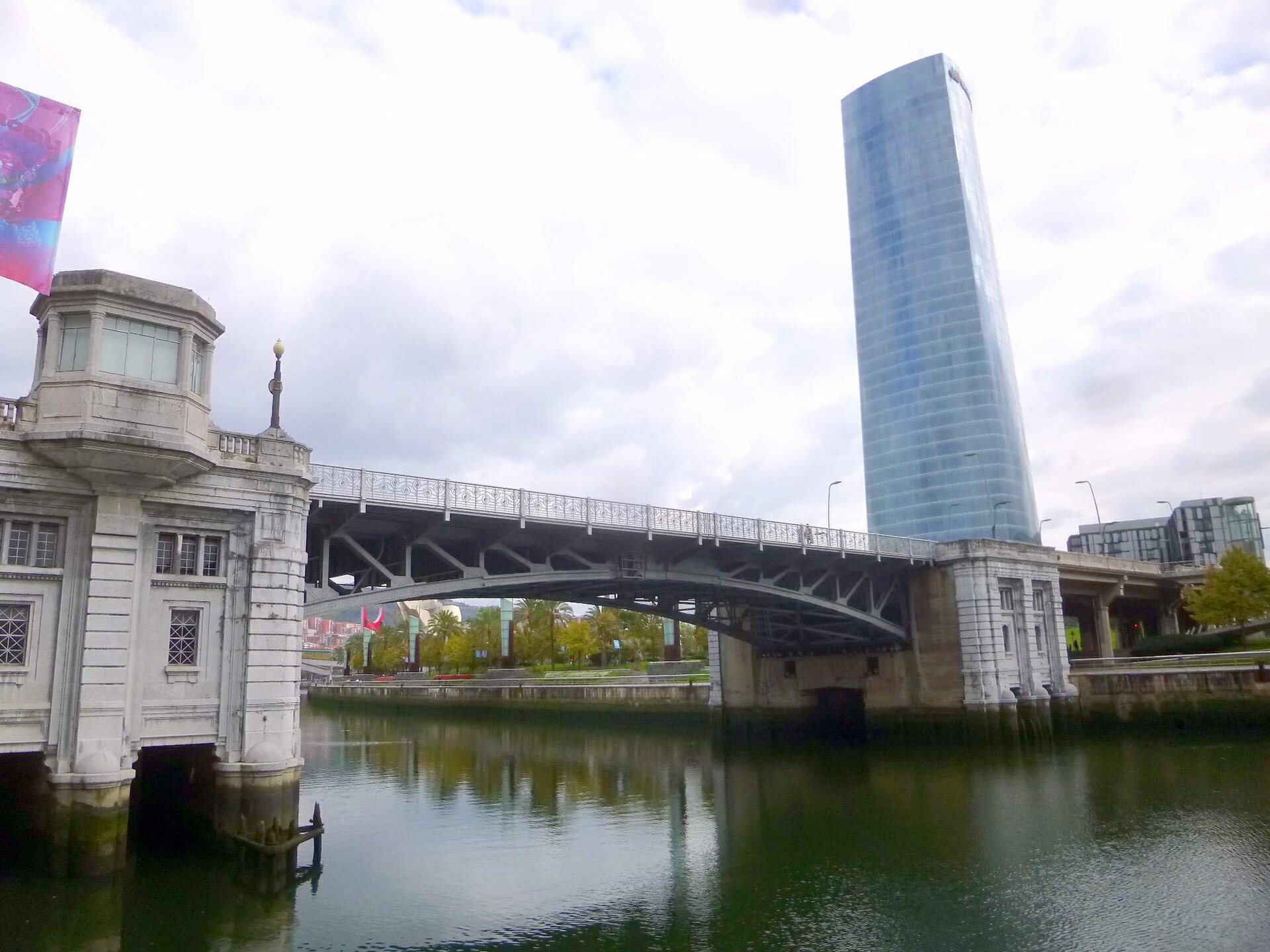
Bilbao La Vieja, Bilbo Zaharra in Basque, lies on the left bank opposite the old town, joined to it by the San Antón and La Ribera bridges. Its history is as long as the city's: in the Middle Ages it was the quarter across the bridge, home to ironworkers and fishermen, inns for the muleteers bringing wool from Castile, and the trades the walled town did not want inside its walls. In the late nineteenth century the San Luis iron mine reshaped it, its galleries and workings pushing through the streets.
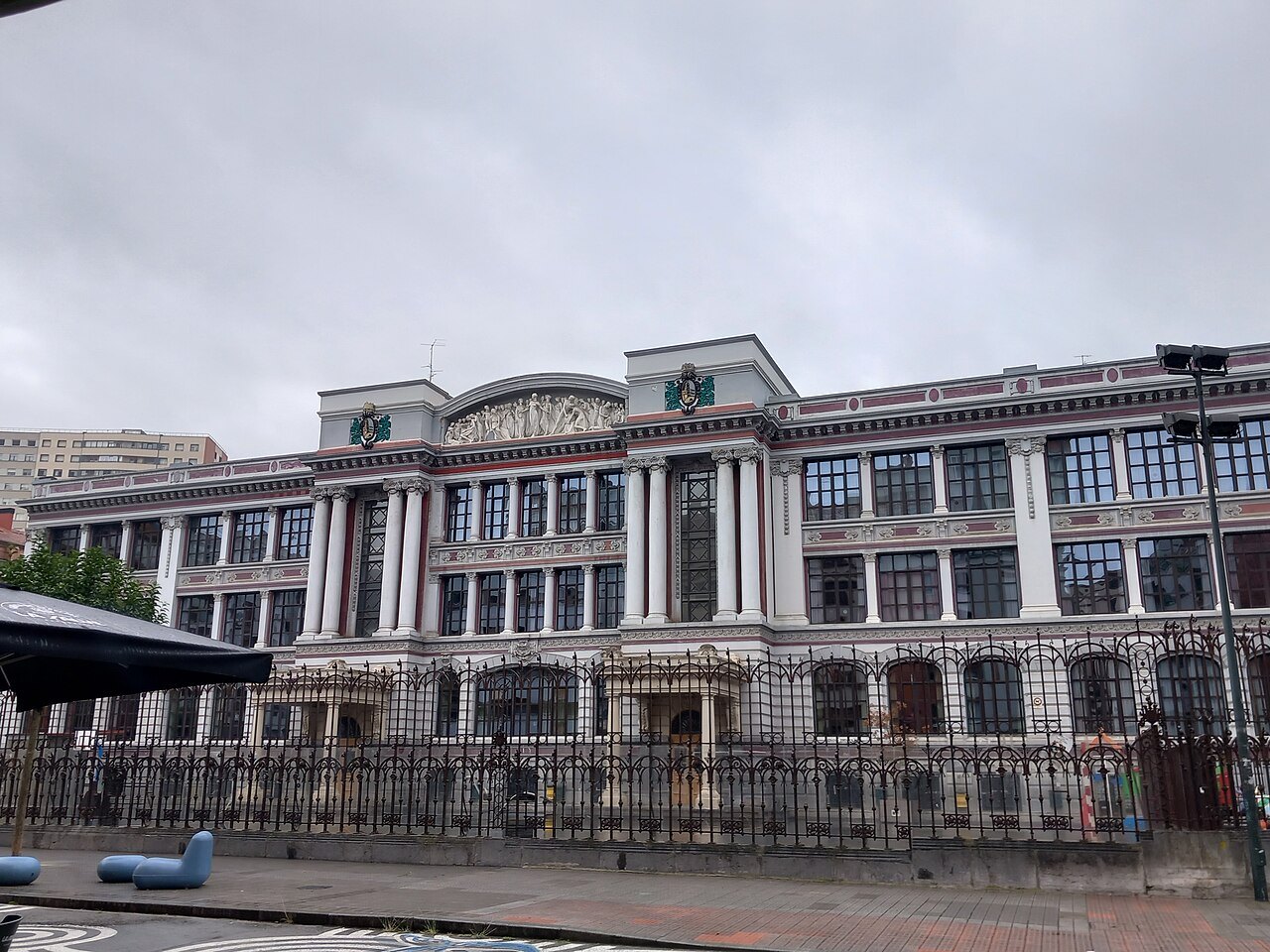
Since the 1990s the city has run programs to regenerate Bilbao La Vieja and its neighboring districts, rehabilitating buildings and opening new routes into the rest of the city. The old Urazurrutia schools now house BilbaoArte, a center for artists, and small bars, galleries and studios have opened in its streets. It suits independent travelers who want something less polished, a few minutes on foot from the old town.
Begoña and the hills
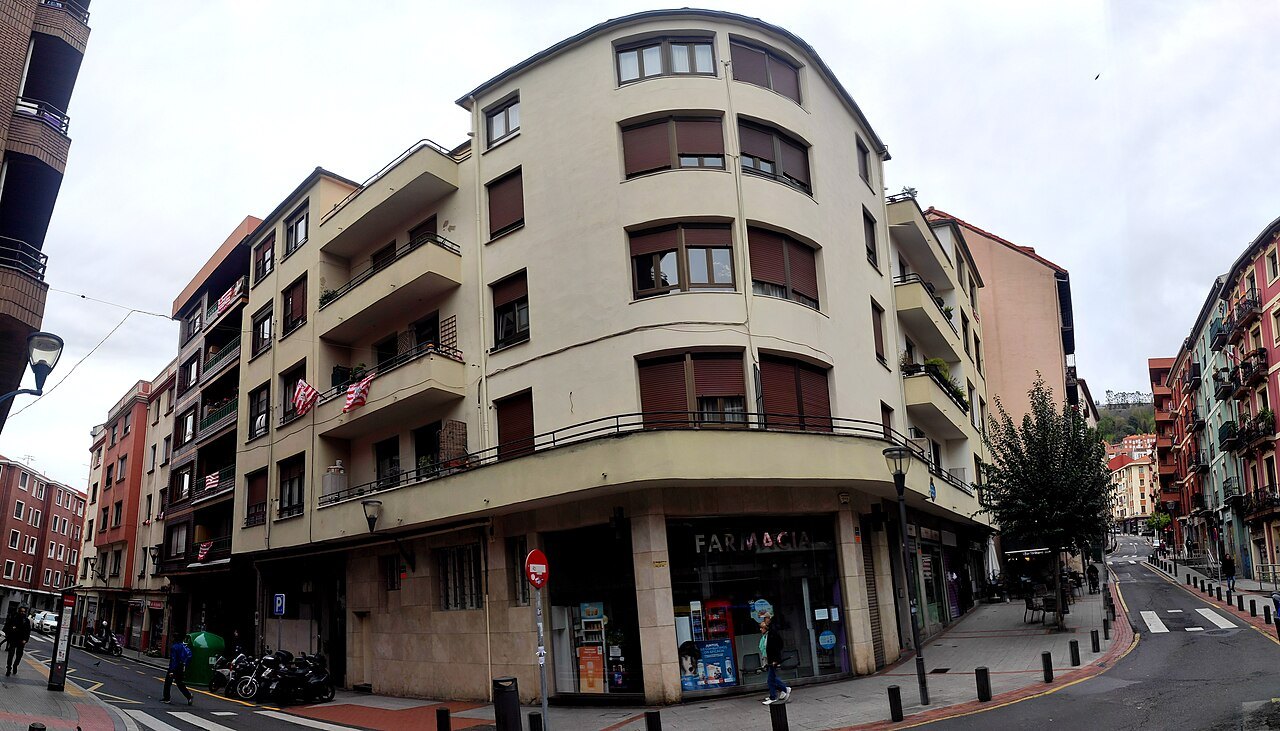
Above the old town to the east, Begoña was an independent town until 1925, when the last of it was absorbed by the growing city, and its basilica, the shrine of the patroness of Biscay, still crowns the hill. The district is residential and steep, with views over the old town, and it is joined to the Casco Viejo by long flights of steps and by the lifts inside the Casco Viejo Metro station. Metro line 3 serves the higher neighborhoods further east. Staying here means quiet streets and a climb home, so it suits visitors who do not mind slopes.
Getxo and the coast
Some visitors prefer to stay by the sea at Getxo, at the mouth of the Ría, with its beaches, old port and mansions, and travel into the city on Metro line 1. It makes sense for a longer stay or in summer; for a short first visit, the center saves time.
Choosing
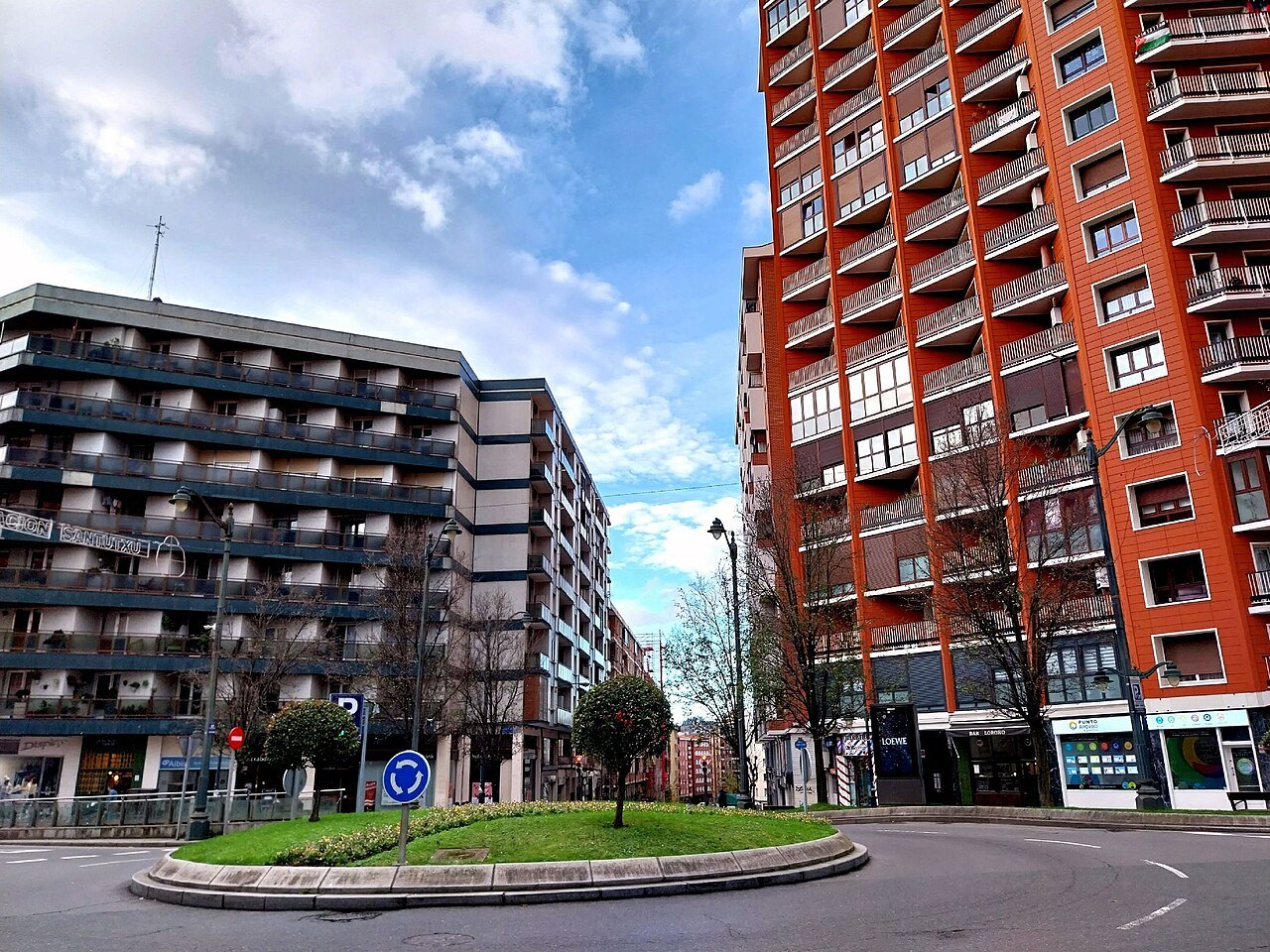
For a first visit of a few days, the Casco Viejo or the Ensanche are the obvious choices: the first for atmosphere, the second for comfort and connections. Art lovers may prefer the riverfront, and anyone who wants quiet nights should look at Indautxu or Deusto. Book early for the August festival week, when the whole city fills; the booking ahead page explains.
Some links on this page are affiliate links. If you book through one we may earn a commission, at no extra cost to you. It does not affect what is recommended here, and no sight page on this site carries one.
If your room is not ready when you arrive: