What is Louise Bourgeois's Maman, and why is it a spider?
THE BRONZE SPIDER OUTSIDE
A guide to Louise Bourgeois's giant bronze spider outside the Guggenheim Bilbao, and where to find it.
Read on
The answer in full
A sculpture on the riverside
On the river side of the Guggenheim Museum Bilbao stands Maman, a bronze spider by the French-American artist Louise Bourgeois, more than thirty feet tall. It is one of two outdoor works that have become as familiar as the museum itself, the other being Jeff Koons's Puppy at the entrance. Visitors often photograph both on the same riverside walk.
Maman carries a sac of marble eggs tucked under her body, visible when you walk beneath her raised legs. The scale is part of the point: a creature usually small enough to overlook is rendered large enough to dominate the riverside path, and to be seen clearly from the opposite bank of the Ría.
The body is cast in dark bronze, the egg sac in pale marble, a contrast that stands out against the silver-grey titanium of the galleries behind it. Standing close beneath the raised legs gives the clearest view of the sac and of the scale of the whole casting, set where the riverside path runs closest to the water.
Why a spider, and why Maman
The fact base for the museum does not record Louise Bourgeois's own explanation of the work, and a guidebook should not invent one. What can be said plainly is the title: Maman is French for mother, and the sculpture is one of a series of spider works the artist made in bronze, steel and marble, of which this cast stands outside the Guggenheim Bilbao, facing the water.
Visitors who want the artist's own account, rather than a guidebook's guess, should look for the museum's interpretive material or ask at the information desk inside. The audio guide included with every ticket is the most direct route to that background, since the galleries themselves hold mostly temporary exhibitions rather than fixed labels for the works outside.
The Guggenheim's own list of essentials pairs Maman with Puppy, The Matter of Time and Jenny Holzer's Installation for Bilbao, treating the spider as one of a small set of works worth making time for, rather than a puzzle for a visitor to solve unaided while standing outside the building.
Finding it on the ground
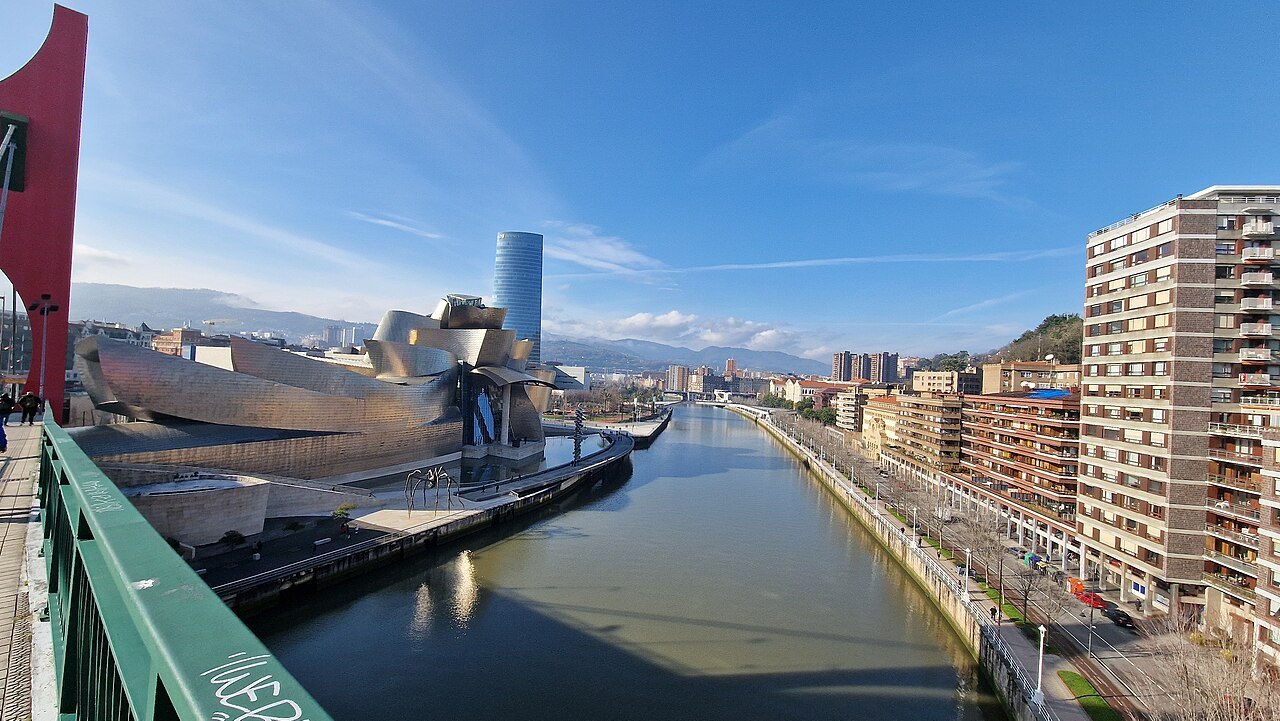
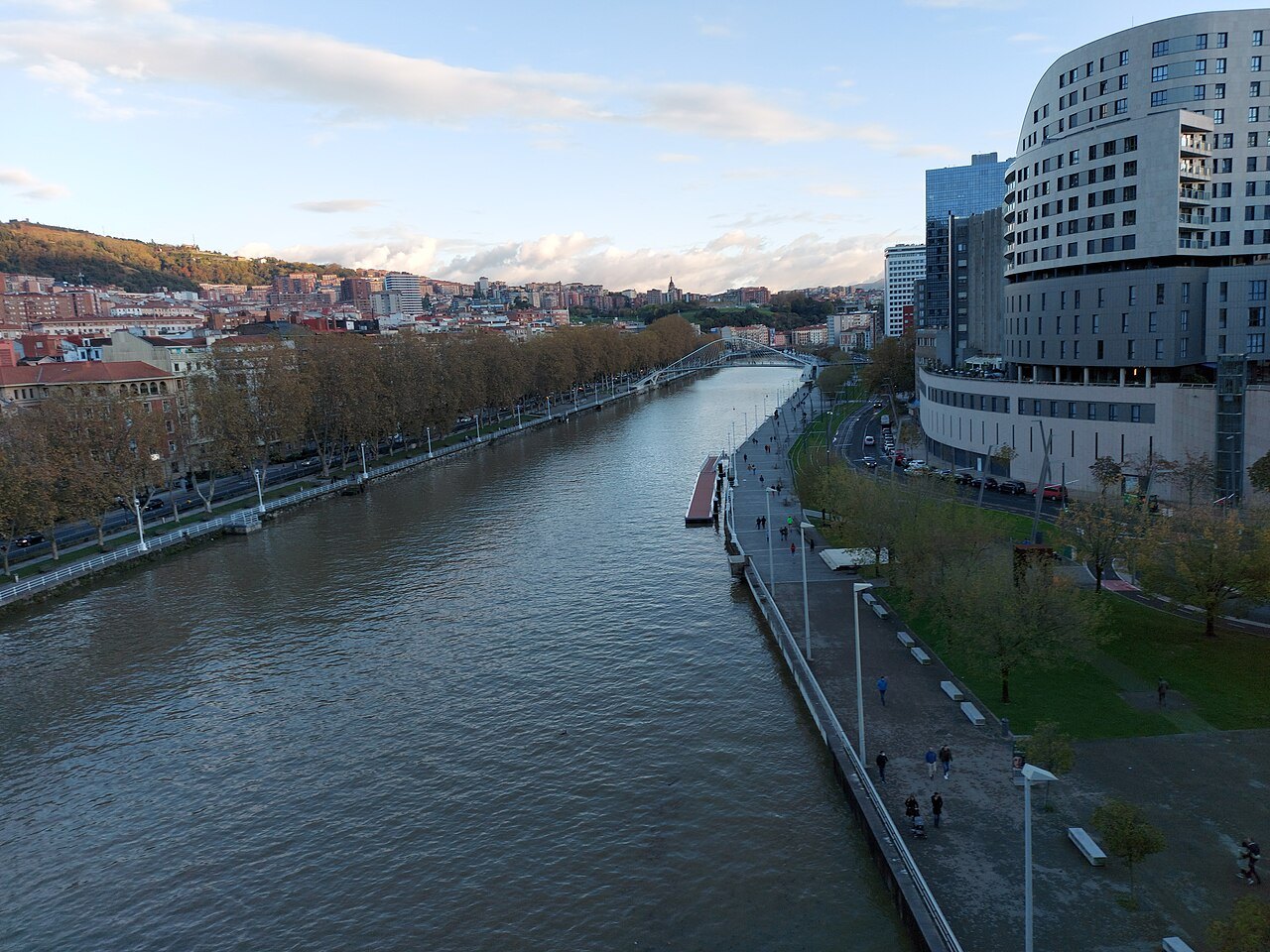
Maman stands at the riverside, on the side of the building that faces the Ría rather than the street side with the main approach. The recommended route is to start near Puppy, walk the riverside path along the building's curving titanium front, and arrive at the spider further along, close to where the museum meets the water.
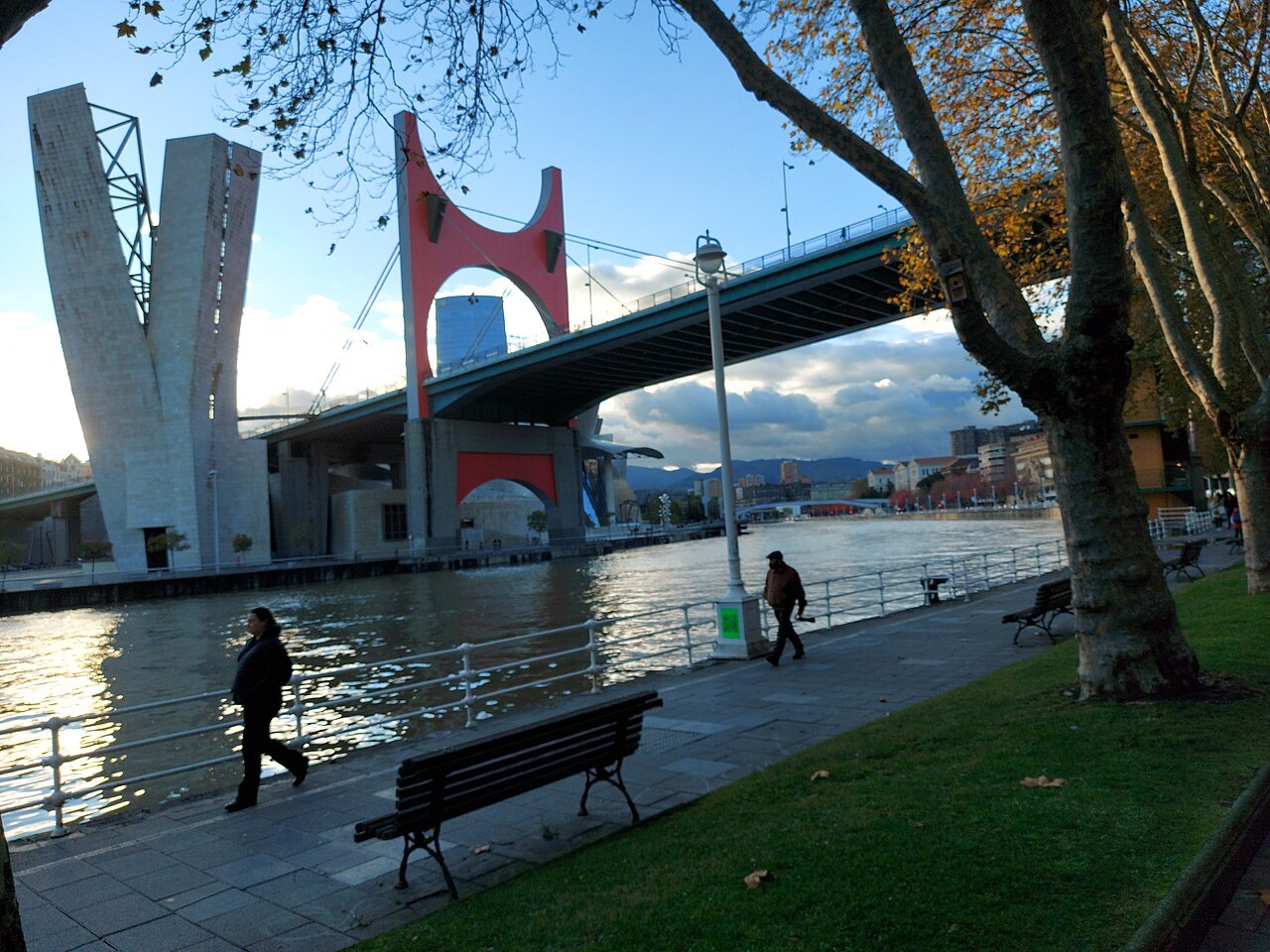
From there the path continues under La Salve, the bridge that passes directly over the edge of the museum site, so that the spider, the bridge and the titanium galleries can be taken in from roughly the same stretch of walkway. Crossing the river on the footbridge or the bridge itself gives a view back across the water where the whole composition can be seen at once.
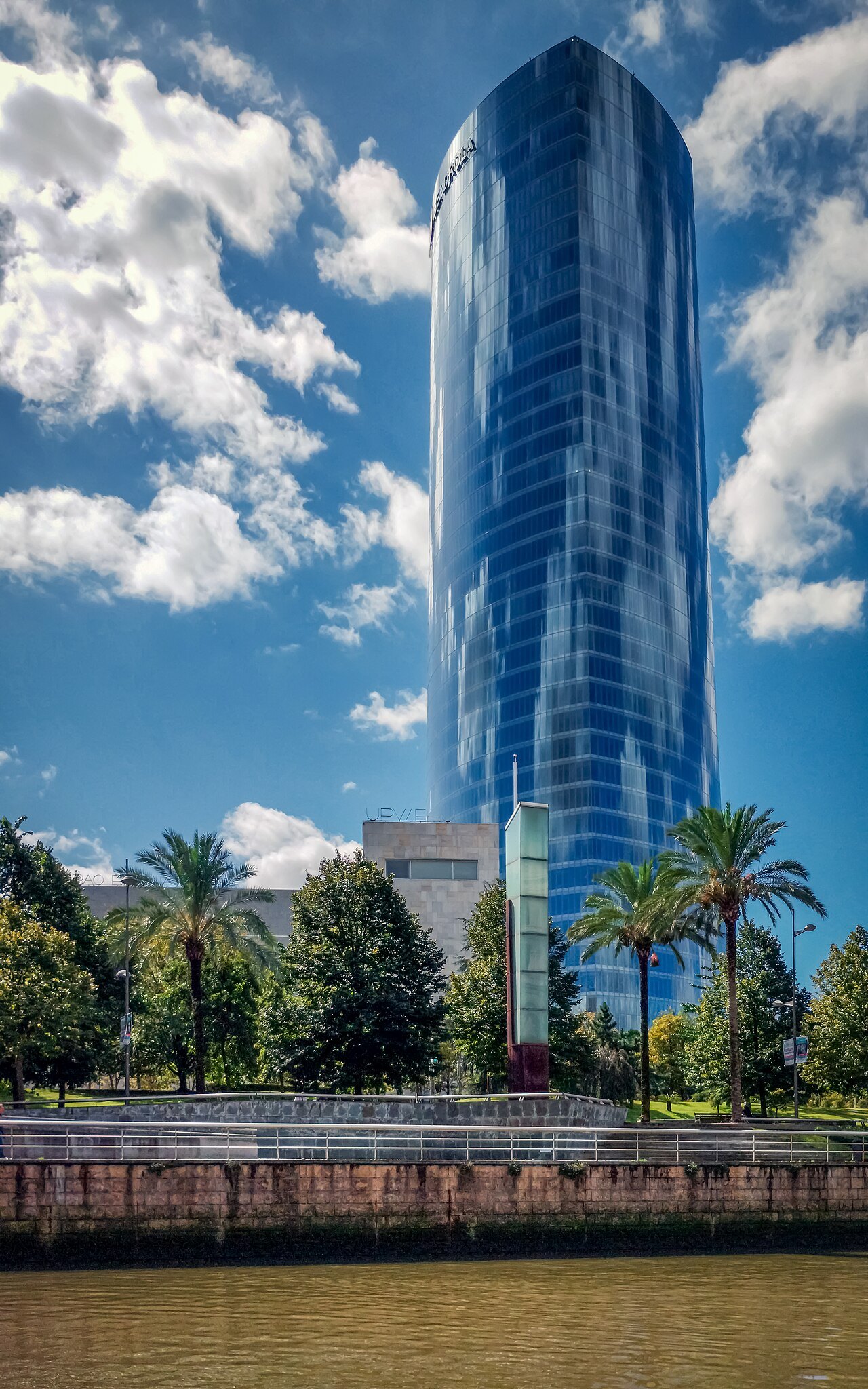
The same riverside path continues past the museum in both directions, so a walk beginning at Maman can be extended along the Ría, with the wider rebuilding of the Abandoibarra district visible along the way, from former docklands to the gardens and towers that now line the renewed riverside waterfront.
Seeing it alongside the building
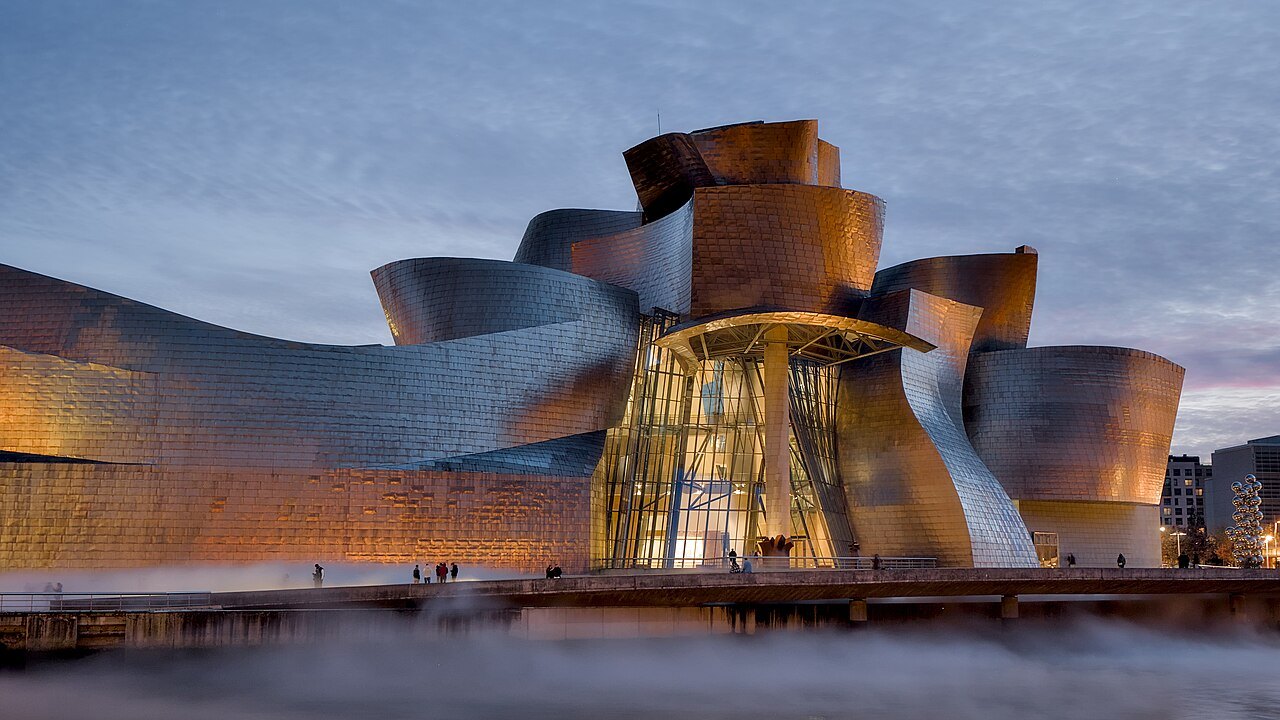
The Guggenheim's titanium-clad galleries were built in a quilted pattern of about thirty-three thousand thin plates, designed to catch and change with the light through the day, and Maman's dark bronze reads differently against that surface in morning and evening light. A visit built around the outdoor works benefits from allowing time at both ends of the day.
Because Maman and Puppy stand in public riverside space rather than inside the ticketed galleries, they can be seen without a museum ticket, as part of a longer walk along the riverfront that continues on foot toward the Euskalduna, following the same stretch of rebuilt riverside the museum began decades ago.
The base of the building, clad in pale limestone, and the window walls of treated glass sit near where Maman stands, so the spider is seen against stone and glass as much as against titanium, depending on exactly where along the path a visitor pauses to look back at the whole building.
Maman among the museum's other works
Inside the building, the collection is small and changes with the season's exhibitions, but a handful of works are treated as fixed points for a short visit: Richard Serra's The Matter of Time, a permanent installation of curving steel walls in the museum's largest gallery, and Jenny Holzer's Installation for Bilbao. Maman belongs with these as one of the pieces worth planning around.
Unlike the works inside, Maman and Puppy do not depend on which temporary exhibition is showing, which is part of why they anchor so many visitors' first impression of the museum before they even go through the entrance, and why they remain a reliable stop even when the galleries hold something unfamiliar.
A short visit built strictly around essentials, as the museum's own published list suggests, would take in Maman and Puppy outside, then the Serra gallery and Holzer's installation inside, leaving the rest of the nineteen galleries for whichever exhibitions happen to be running during that particular visit to the museum.
Planning the visit
Tickets for the galleries are sold through the museum's own website, which warns against buying from other sellers, and every ticket includes an audio guide. The museum's calendar, checked directly with the museum, is the place to confirm which days and exhibitions apply before building a day around it. None of that applies to the riverside sculptures, which can be visited independently of the ticketed hours.
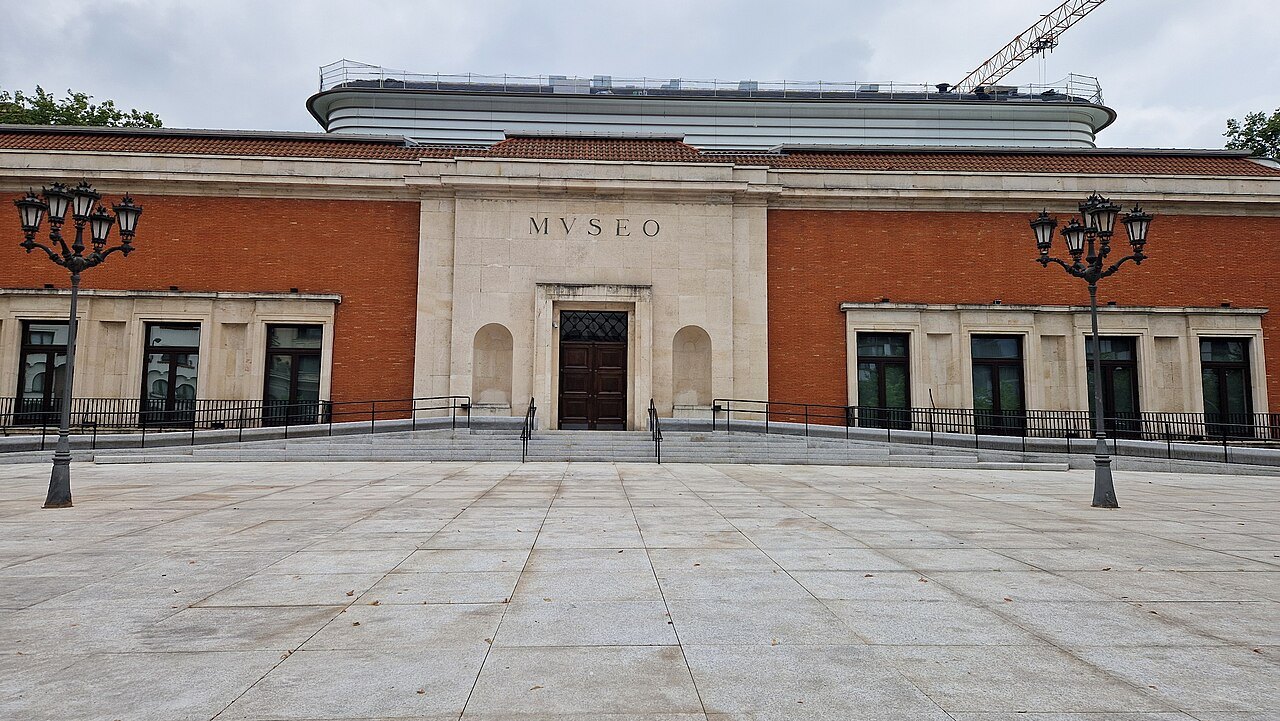
The building sits a short walk from the Moyúa and Abando areas of the Ensanche, and the riverside tram stops beside it, which makes combining the outdoor walk with other plans straightforward. Visitors arriving on foot or by tram will pass close to Maman before reaching the main entrance, since the riverside path runs along that side of the site.
On especially busy days, such as summer months, holiday weekends or the opening weeks of a major exhibition, arriving at a quieter hour makes the riverside walk around Maman more pleasant even if the galleries are busy, and a ticket bought in advance removes the need to queue before going inside.
Honest notes
It is tempting to read a single clear message into a work this size, but the fact base behind the museum's own account does not supply one beyond the title and its scale, and a visitor guide should resist adding what it cannot support. The honest answer to why it is a spider is that Louise Bourgeois made a series of such sculptures, and this cast is one of them, standing on the riverside since the docklands were rebuilt.
For the artist's own words on the work, the museum's interpretive panels or staff are the right source, not an outside account written for visitors passing through. A guidebook can describe what stands on the riverside and how to find it, but the meaning behind a specific spider is better asked of the people who run the collection than assumed from a photograph.
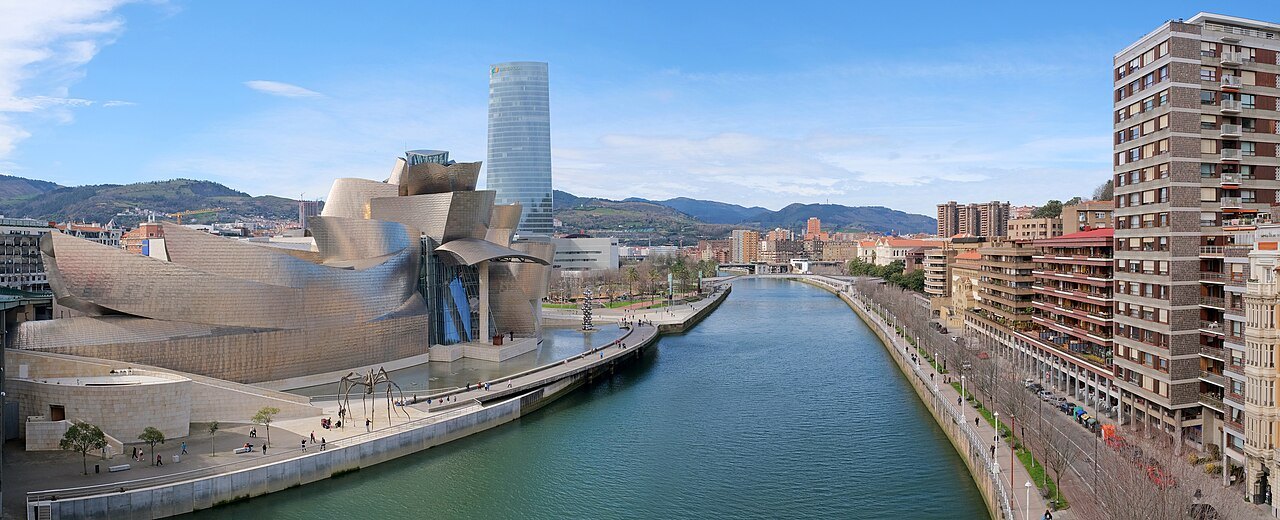
Visitors mainly drawn to the building and its two outdoor sculptures, rather than the season's temporary exhibitions, can see the essentials without going inside at all: the riverside walk past Puppy and Maman, a look under La Salve, and the view back from across the water, covered on the Guggenheim page itself.
More from the journal
Read next
- The GuggenheimWho made Puppy, and how are its flowers kept alive?Jeff Koons's flower-covered Puppy and Louise Bourgeois's Maman flank the Guggenheim; here is how each one works.Read the piece →
- The GuggenheimWhat is Richard Serra's The Matter of Time in the Guggenheim?A guide to Richard Serra's The Matter of Time, the Guggenheim's only permanent installation, and how to see it.Read the piece →
- The GuggenheimHow was the Guggenheim Bilbao built?Frank Gehry's museum looks as if its curves were thrown together at random, but it was built on time and on budget with the help of aerospace software. How it stands on the soft bed of the estuary, why it is clad in titanium scales, how its galleries are arranged, and what to look for when you visit.Read the piece →