What is Richard Serra's The Matter of Time in the Guggenheim?
THE MUSEUM'S ONE PERMANENT WORK
A guide to Richard Serra's The Matter of Time, the Guggenheim's only permanent installation, and how to see it.
Read on
The answer in full
The One Permanent Work Inside
Most of what fills the Guggenheim's galleries changes with the season: paintings, installations and loaned pieces rotate through the building several times a year. One work does not move. Richard Serra's The Matter of Time is the museum's only permanent installation, a series of huge curving walls of weathering steel that visitors walk into and around rather than stand back from.
The piece occupies the largest of the museum's nineteen galleries, a long ground-floor room once known as the Fish Gallery. The museum spreads about eleven thousand square meters of exhibition space across three floors, and this single room is the biggest space among them, which is part of why it can hold Serra's work at all.
Because it never leaves, the Serra gallery is one of the few constants in a museum built mostly around temporary exhibitions. The museum's own list of essentials names it alongside Jeff Koons's Puppy, Jenny Holzer's Installation for Bilbao, and Louise Bourgeois's Maman, a short route worth following if time is tight.
Walking Into the Steel
The walls of weathering steel do not stand in a line to be viewed from outside; visitors enter the spirals and curves and move through them at close range. The scale is large enough that the shapes change as you walk, and the steel's rusted surface and the sound inside the room are as much a part of the piece as its form.
Because the installation is permanent, it is not affected by the exhibition calendar that governs the rest of the building. Whatever temporary show is on in the upper galleries, the Serra gallery on the ground floor holds the same work, which makes it a reliable anchor for a visit even when other rooms are between exhibitions.
The museum suggests starting in the atrium, the tall hall under the glass and steel roof that every gallery opens from, and going directly to the Serra gallery before working through whatever exhibitions are showing above. That order keeps the one fixed point of the visit at the start, before plans change with crowds or time.
Part of a Short List of Essentials
The museum groups a handful of works into a short list it calls essential, and The Matter of Time sits alongside three others: Puppy, the flowering West Highland terrier at the entrance; Maman, Louise Bourgeois's bronze spider on the river side; and Jenny Holzer's Installation for Bilbao inside. Together they make a reasonable circuit if a visit has to be brief.
Puppy and Maman stand outside the building, in public space along the riverside walk in Abandoibarra, and cost nothing to see on their own account. The Serra gallery and the Holzer piece are inside the paid part of the museum, reached once a ticket has been used at the entrance.
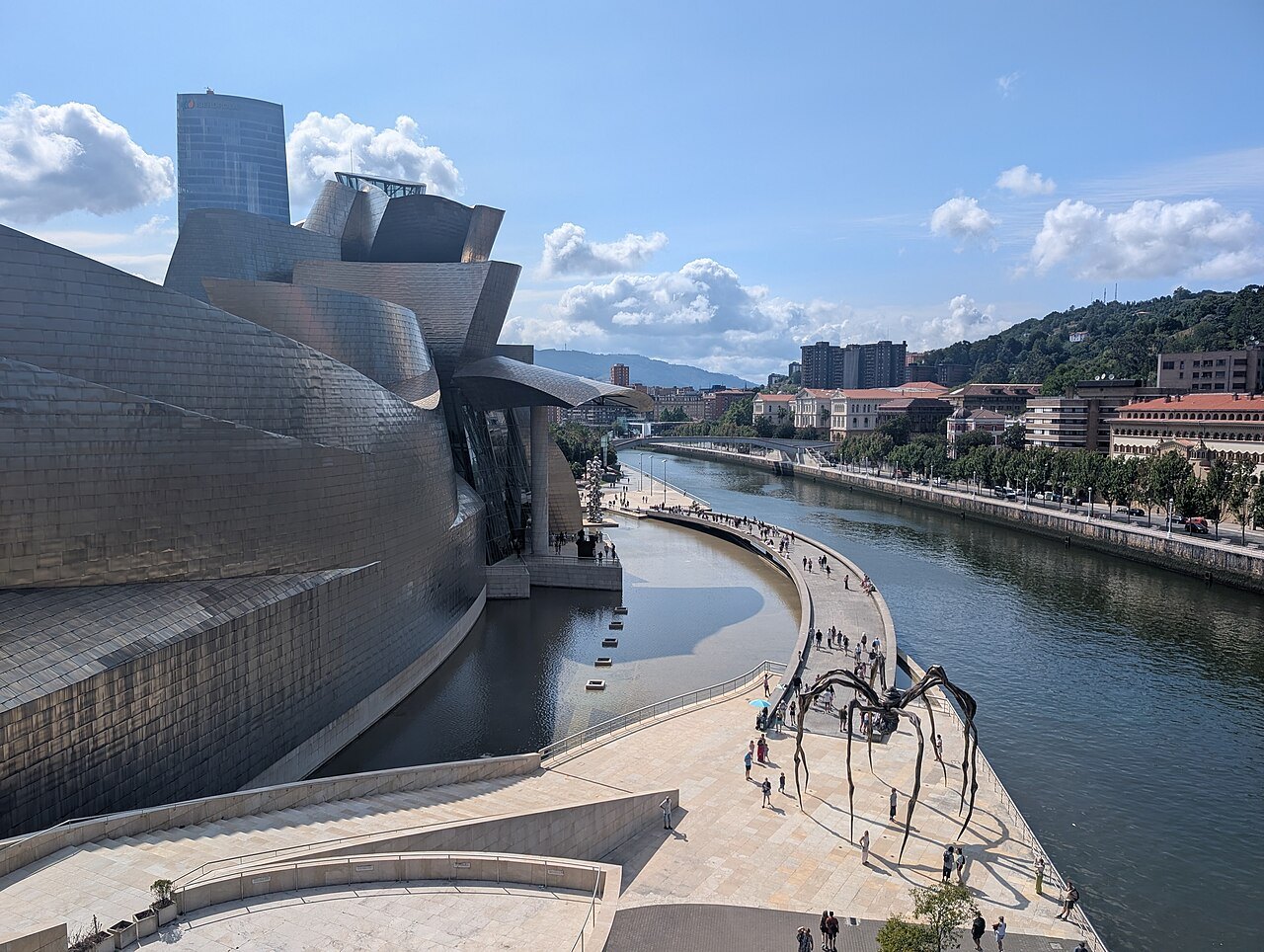
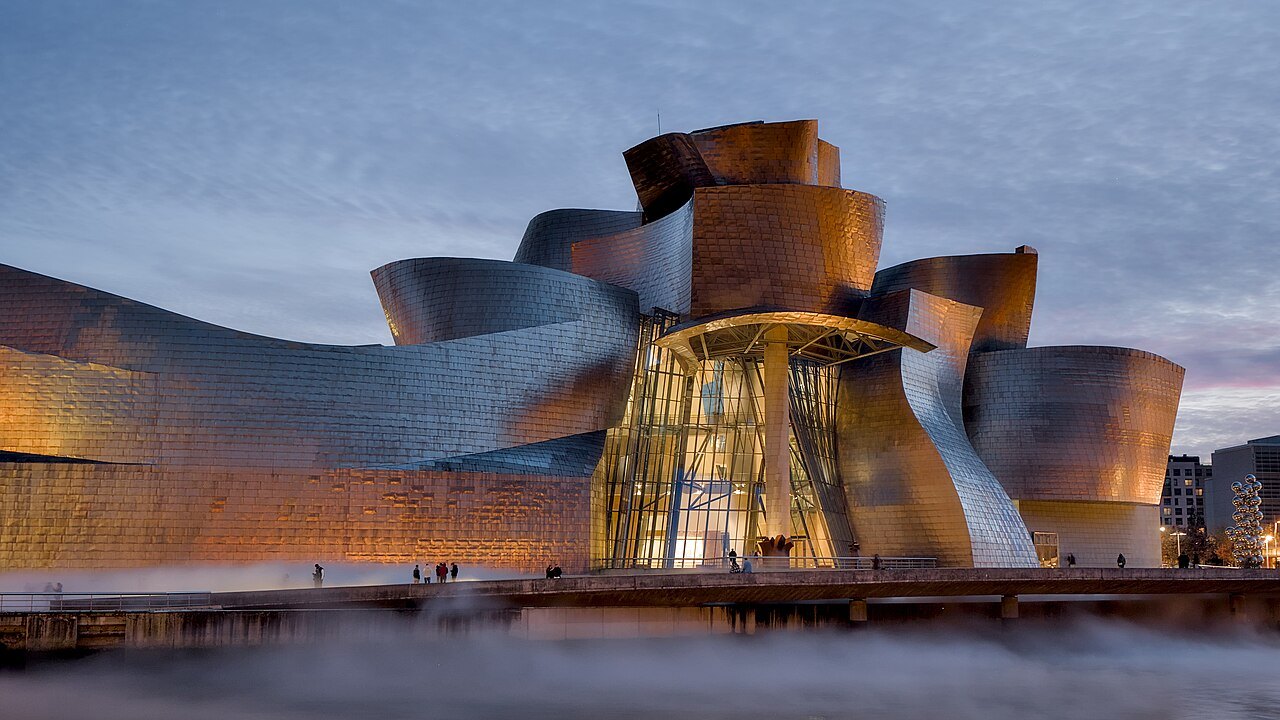
Seeing all four in one visit means covering both the outside and inside of the building, which is also the natural way to appreciate Gehry's design: the titanium curves are best judged from across the river, while the atrium and the Serra gallery are best judged from inside.
Fitting It Into a Visit
A full visit to the museum, inside and out, is worth allowing two to three hours for the galleries and as long again outside if the weather cooperates. The Serra gallery itself does not take long to walk through, but it rewards slow movement rather than a quick pass, since the shapes only make sense as you walk the curves.
Tickets are sold through the museum's official website, which warns against buying from other sellers, and every ticket includes an audio guide that covers the building and its principal works. Details on how far ahead to book, and what the guide covers for the Serra piece specifically, are best confirmed on the museum's own ticket page; see booking ahead for general advice on timing a visit.
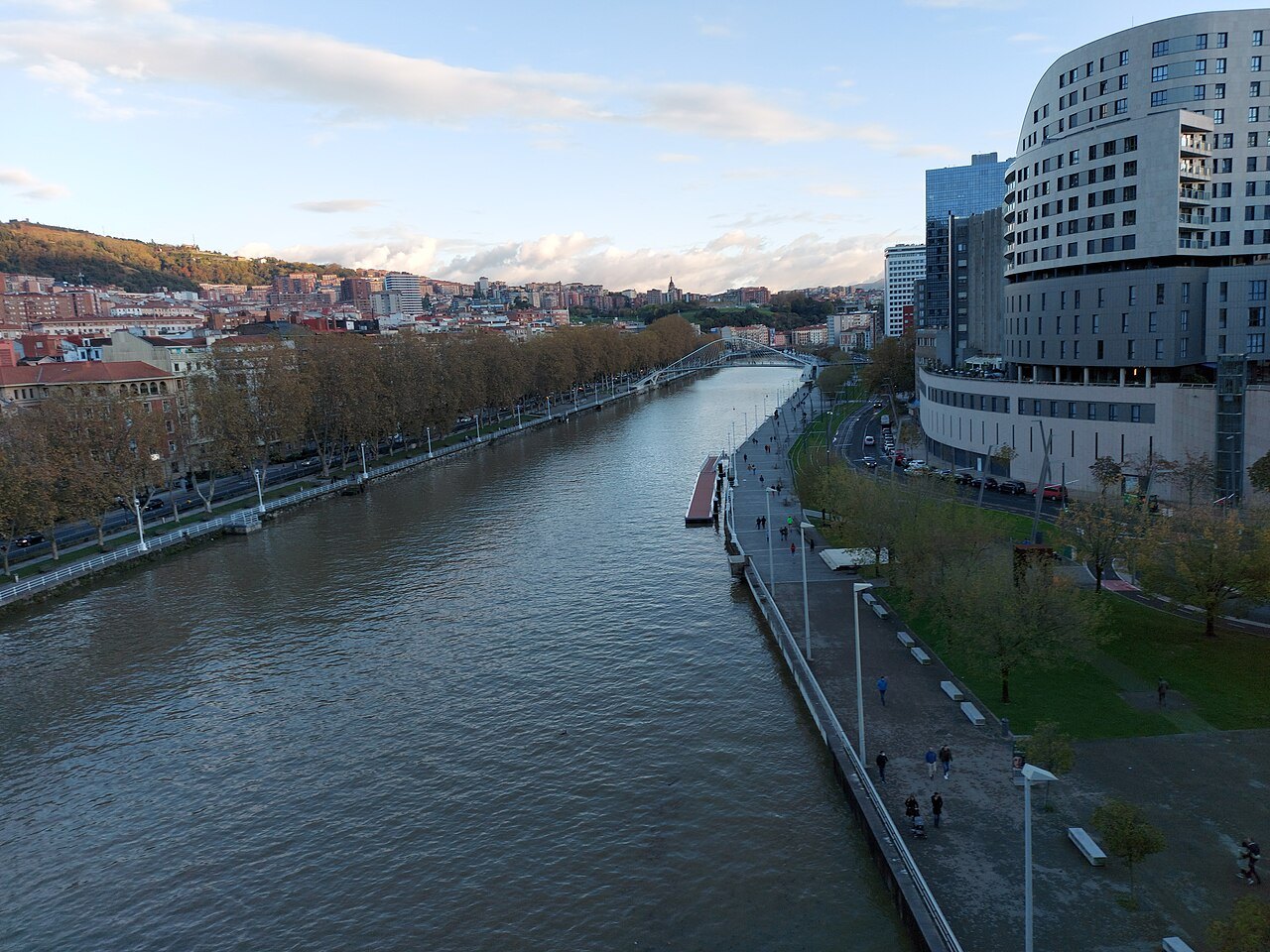
The museum closes on certain days through the year, so check its calendar before building a day around the Serra gallery specifically. Busy periods include the summer months, holiday weekends, and the opening weeks of a major temporary exhibition, when a ticket bought in advance saves time at the entrance.
Where the Gallery Sits in the Building
The Serra gallery sits on the ground floor, opening off the atrium Gehry nicknamed the Flower, the hall about fifty meters high under a glass and steel roof that gives views of the Ría and the hills beyond. Every one of the nineteen galleries opens from this central hall, so finding the Serra gallery means starting from the same point as any other room.
Because it is the ground-floor, largest room, it sits close to the entrance route and does not require climbing between floors to reach, unlike many of the temporary exhibition spaces upstairs. For visitors with limited time, this makes it one of the more straightforward parts of the museum to plan around, though specific access details are best confirmed with the museum directly.
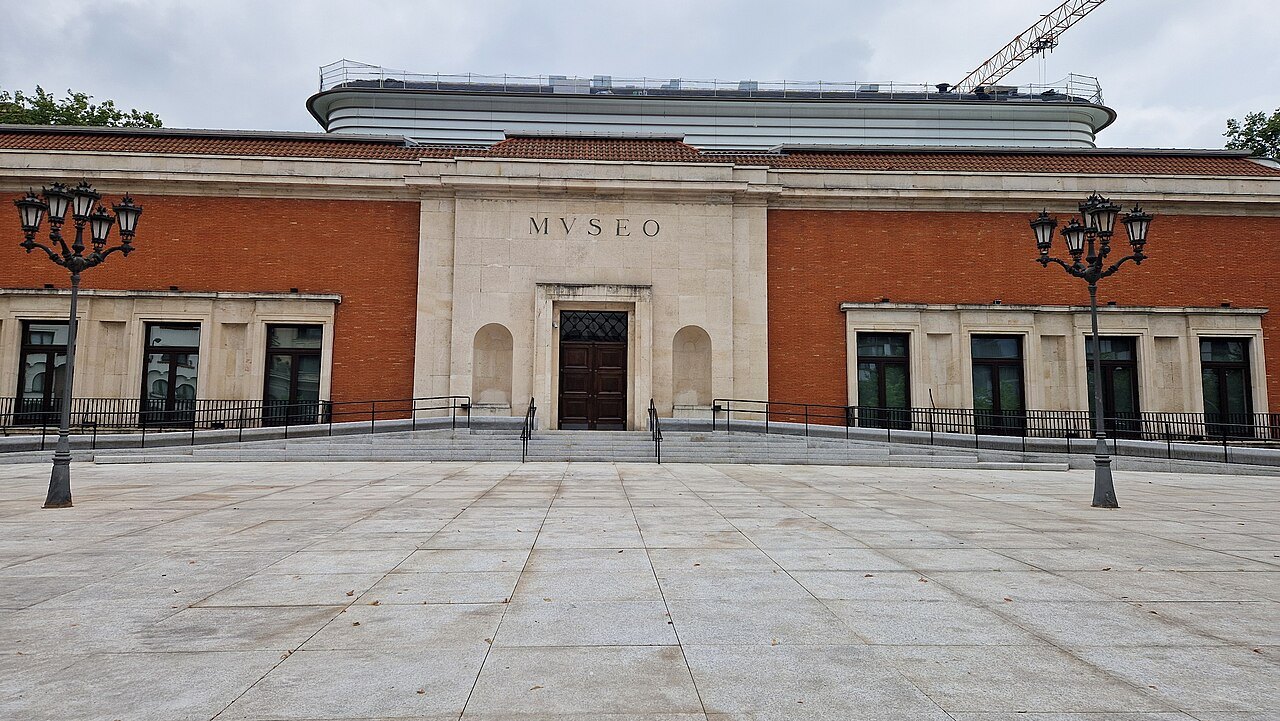
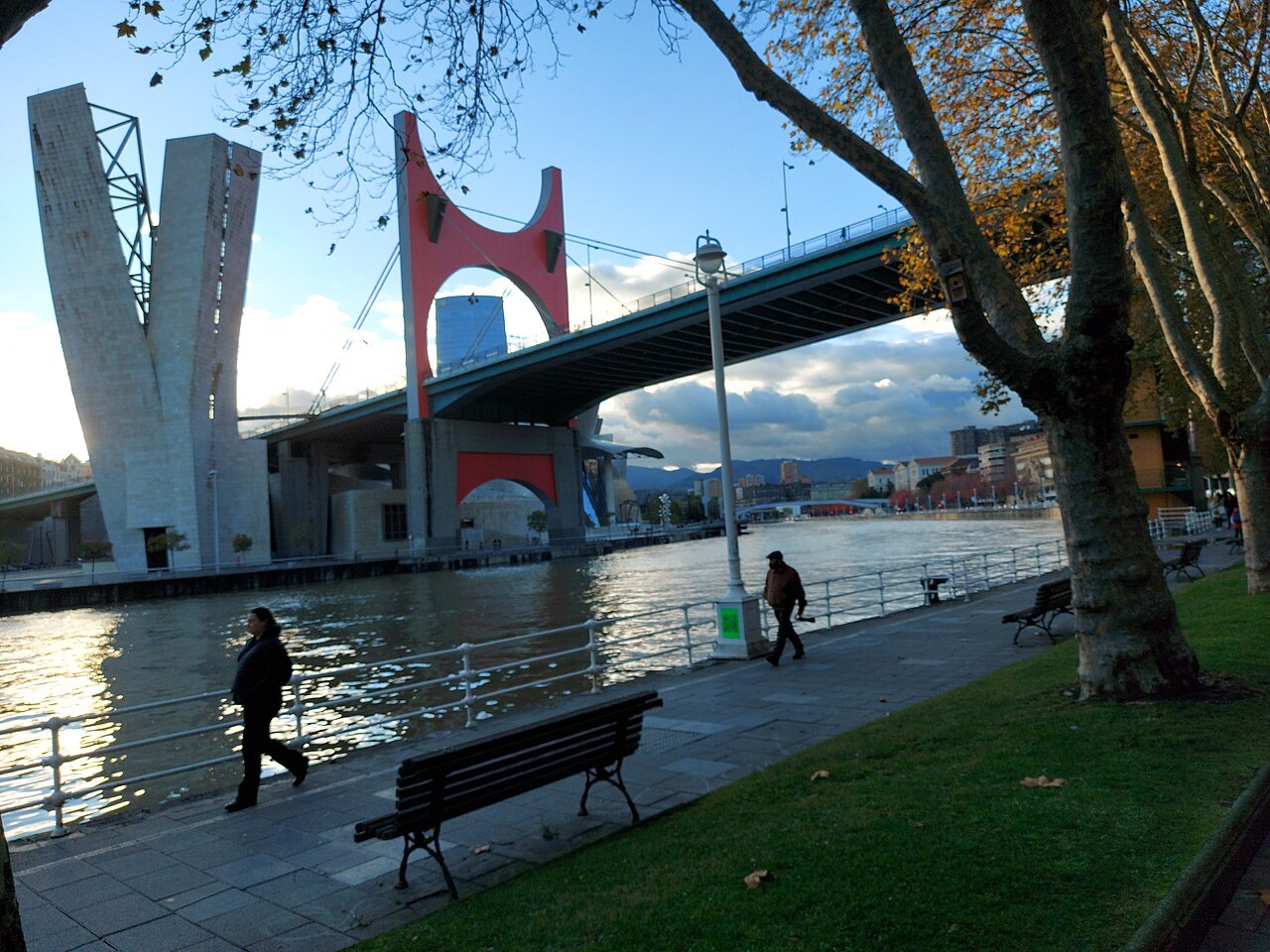
The building's river-facing side, where the titanium curves are most visible, is also the side to see on foot: the riverside path runs from Puppy around to Maman and under La Salve bridge, and crossing to the far bank gives a view of the whole structure at once, Serra gallery and all, as a single composition.
Honest Notes
The Matter of Time is one of very few permanent works in a museum built mainly to host visiting exhibitions, so it is sometimes the only piece inside that a visitor can be sure of seeing before arrival. Everything else on the walls depends on the season's program, which can be excellent or simply not to a particular visitor's taste.
If architecture and the Serra piece are the main draw rather than contemporary art generally, it is reasonable to treat the outside of the building, the atrium and the Serra gallery as the core of a visit and treat whatever else is showing as a bonus. That approach also suits a shorter stop in Bilbao.
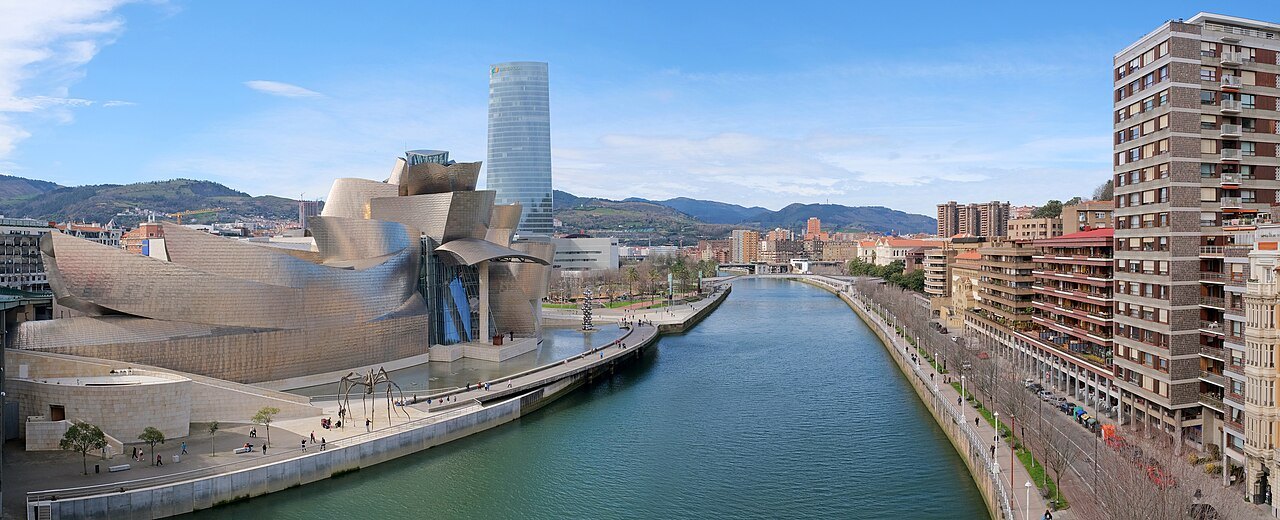
The Guggenheim's effect on the city is often described in simple terms, but the museum was one part of a much larger rebuilding of the riverfront that also included new bridges, the Metro and the waterfront itself; the fuller picture is covered on the transformation. The Serra gallery is a fixed point inside a museum, and a city, that otherwise keeps changing.
More from the journal
Read next
- The GuggenheimHow was the Guggenheim Bilbao built?Frank Gehry's museum looks as if its curves were thrown together at random, but it was built on time and on budget with the help of aerospace software. How it stands on the soft bed of the estuary, why it is clad in titanium scales, how its galleries are arranged, and what to look for when you visit.Read the piece →
- Getting HereHow do you get from Bilbao Airport to the city?Bilbao Airport is at Loiu, over the hills north of the city. The airport bus to the Plaza Elíptica and the Intermodal bus station, taxis, and the direct coaches to San Sebastián and Vitoria-Gasteiz, and how to choose between them by where you are staying.Read the piece →
- Eating & DrinkingHow do pintxo bars in Bilbao work?In Bilbao people eat out standing at a bar counter, one or two pintxos and a small drink at a time, then on to the next bar. What a pintxo is, how it differs from a tapa, how to order and pay, what to drink with it, and the local specialities to look for.Read the piece →