How do pintxo bars in Bilbao work?
THE COUNTER, THE TOOTHPICK AND THE ROUND · ORDERING, PAYING, MOVING ON
In Bilbao people eat out standing at a bar counter, one or two pintxos and a small drink at a time, then on to the next bar. What a pintxo is, how it differs from a tapa, how to order and pay, what to drink with it, and the local specialities to look for.
Read on
The answer in full
The short answer
A pintxo is a small snack served in a bar, typically a slice of bread with something on top, often held in place with a toothpick, which gives it its name: pintxo, pincho in Spanish, means spike. In Bilbao, as across the Basque Country, the bar counters are lined with them, and the usual way to eat out is to go from bar to bar with friends, having one or two pintxos and a small drink in each.
You point at or ask for what you want, or help yourself where the bar invites it, eat standing at the counter, and pay for what you had, either as you go or before you leave. Then you move on. Pintxos are ordered and paid for separately from the drinks, and they are a way of socialising as much as a way of eating.
Pintxos and tapas
Pintxos are related to the tapas of the rest of Spain, and the same snack may be called a pintxo in one place and a tapa in another. The main difference is that a pintxo is usually spiked with a toothpick or a skewer, often to a piece of bread, and served as an individual portion, so you choose them one by one rather than sharing a plate.
They are traditional across northern Spain, in Navarre, La Rioja, Cantabria and Asturias, but in the Basque Country they are seen as a cornerstone of local culture and social life. The txoko, the private gastronomic society, and the round of bars are the two great Basque ways of eating together.
What is on the counter
Almost anything can go on the bread, but the commonest toppings in the Basque Country are fish, such as hake, cod and anchovy, Spanish omelette, stuffed peppers and croquettes. At the other end of the scale, pintxos can be small elaborate dishes of fine fish, seafood or meat, and many bars also cook hot pintxos to order; look for a board or ask what is made in the kitchen.
Bilbao has its own counter favorites. Rabas are rings of squid fried in batter and served with lemon. Txampis are stuffed mushrooms. Triángulos are the small triangular sandwiches the city's bars are known for. And the gilda is the classic of them all: one or more olives, a pickled guindilla pepper and an anchovy threaded together on a single toothpick, salty, sharp and meant to go with a drink.
How to order and pay
Walk up to the counter, catch the eye of whoever is serving, and order your drink first. Then choose your pintxos: in some bars you take them yourself on a small plate, in others you point and they are served to you, and the hot ones are ordered from the menu or the board. If you are unsure which applies, watch what the people beside you do, or simply ask.
The toothpicks are there to keep the ingredients on the bread, and they also helped the barman count how many pintxos each customer had eaten. In some bars pintxos at different prices have toothpicks of different shapes or sizes, so keep yours on your plate until you pay. When you are ready, tell the staff what you had; payment is usually at the counter, before you leave for the next bar.
What to drink
The traditional partners of a pintxo are a small glass of txakoli, the young, slightly sparkling, very dry white wine of the Basque coast, or a zurito, a small glass of beer, about a quarter of a pint. Txakoli is usually poured into a tall glass from a height. Biscay's own, Bizkaiko Txakolina, has its own denomination of origin and is the one most often served in Bilbao.
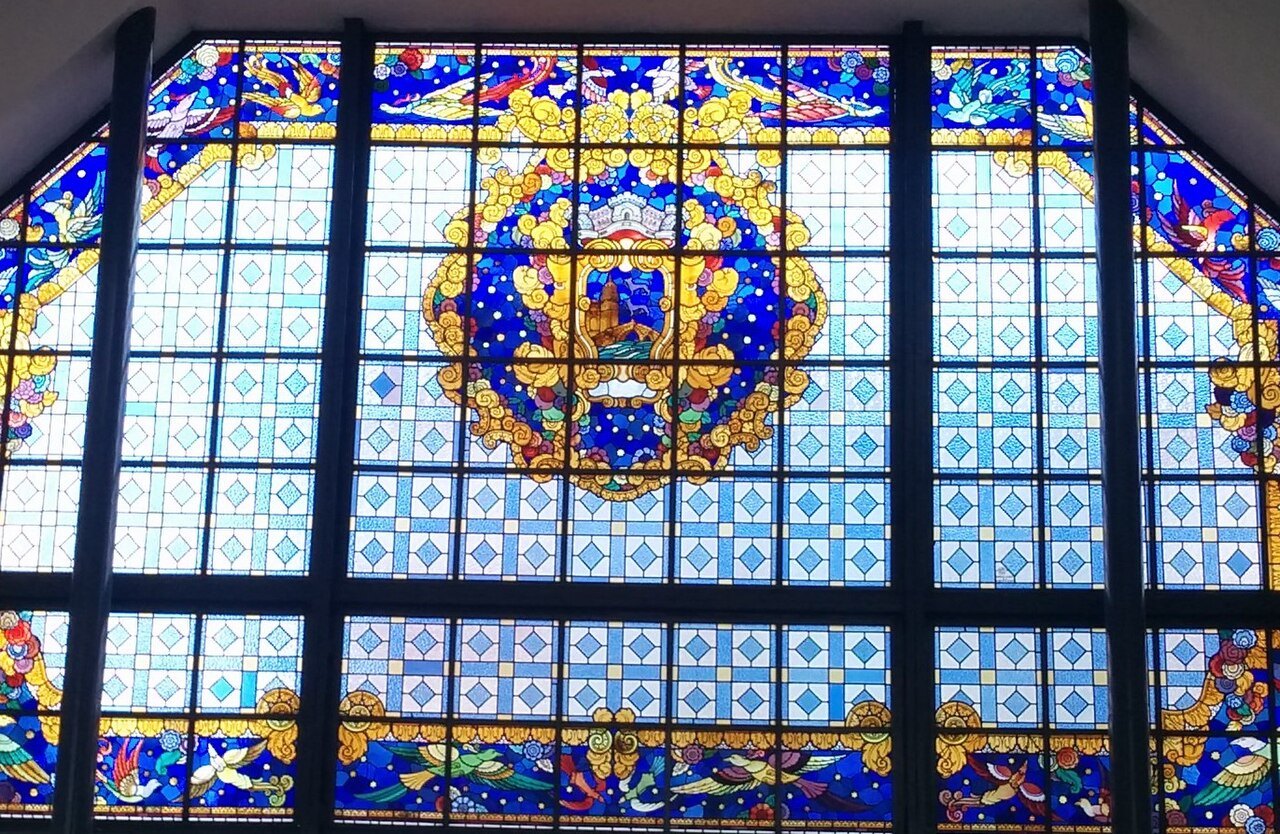
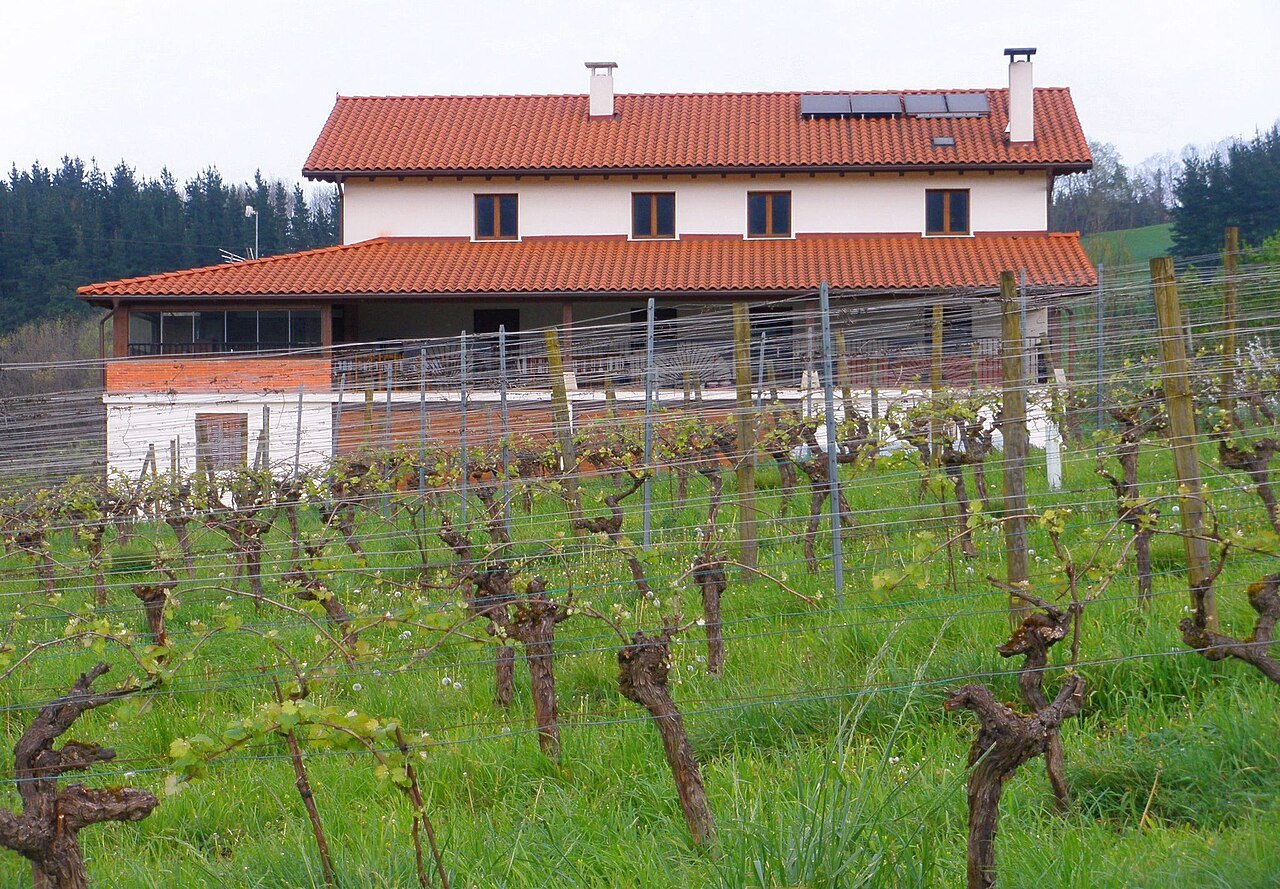
Txakoli is drunk young, within a year of bottling, because it does not keep, and it is low in alcohol, which suits an evening of many small glasses. Most is white and pale green, but there are red and rosé versions too. In Biscay it is made from Hondarribi Zuria and Folle blanche grapes, with a little red Hondarribi Beltza, by some 85 towns and villages across the province.
Red wine from the Rioja is served everywhere, and cider and patxaran, a sloe-flavoured liqueur, are also typical. The point of small glasses is the round: a little in each bar, so that you can visit several in an evening.
Where to go
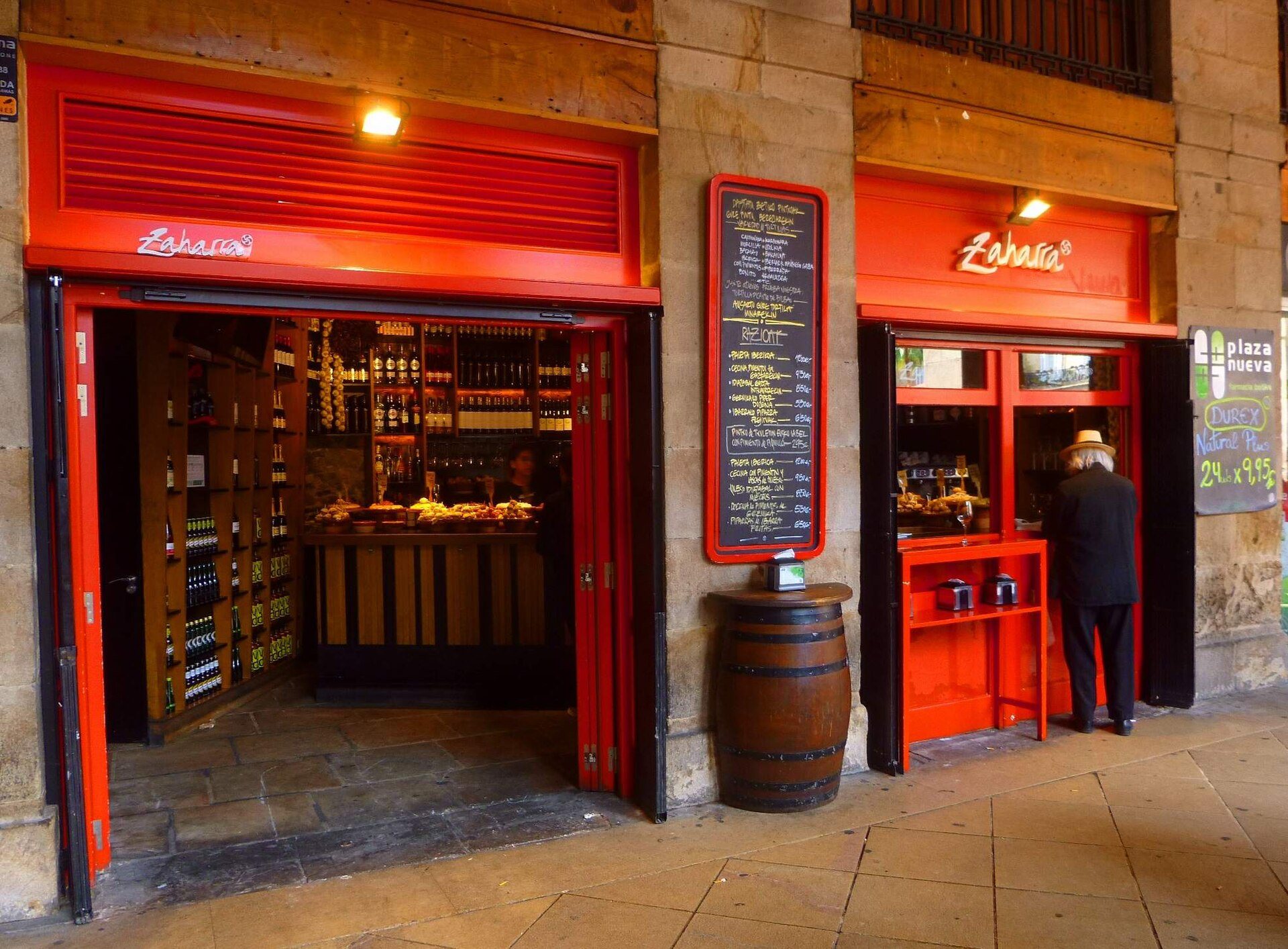
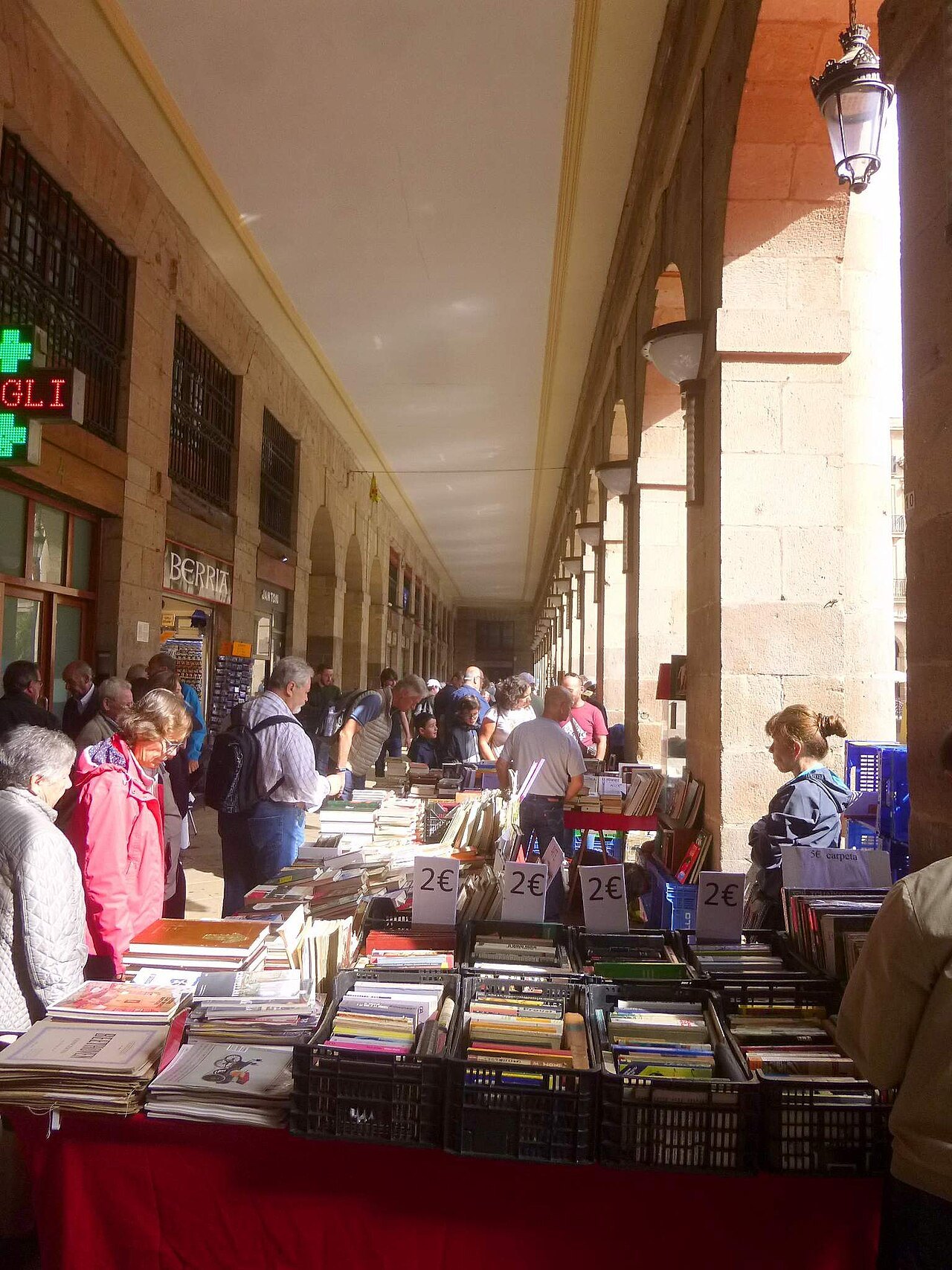
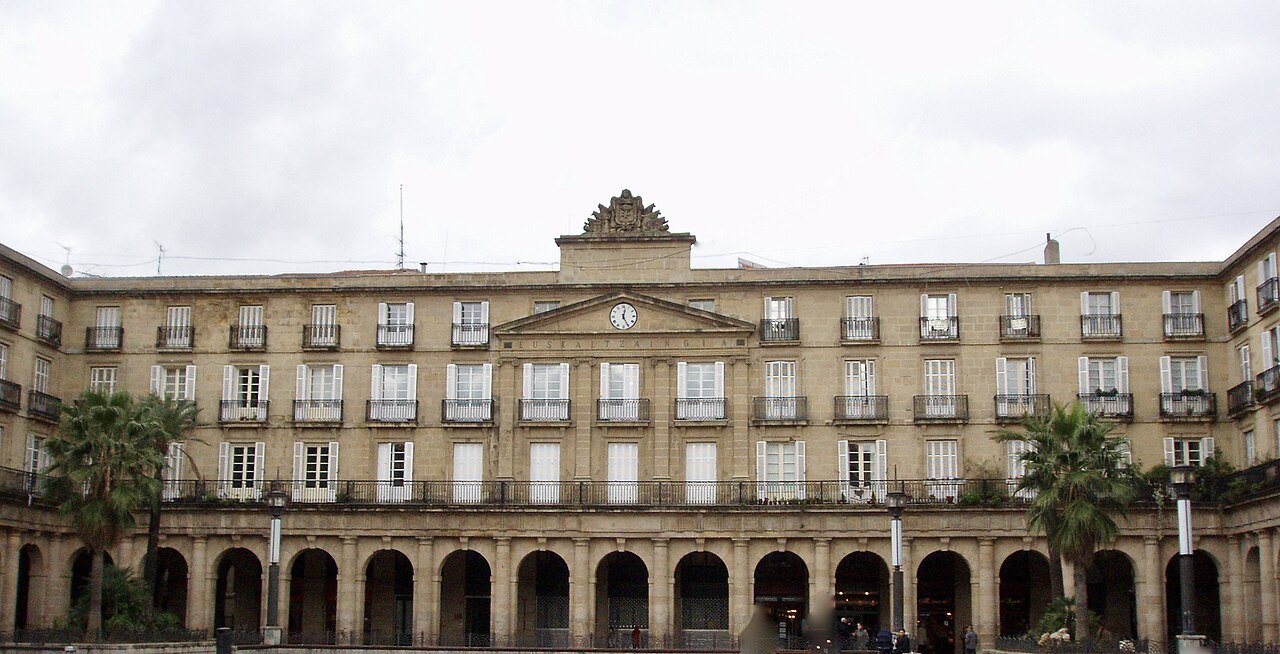
The densest cluster of bars is in the Casco Viejo, the Seven Streets, and above all under the arcades of the Plaza Nueva, which is the classic place to start an evening. The streets of the old town around it, and the market, have many more; the Mercado de la Ribera has a section of bars among its stalls, busiest at the end of the morning and in the early evening.
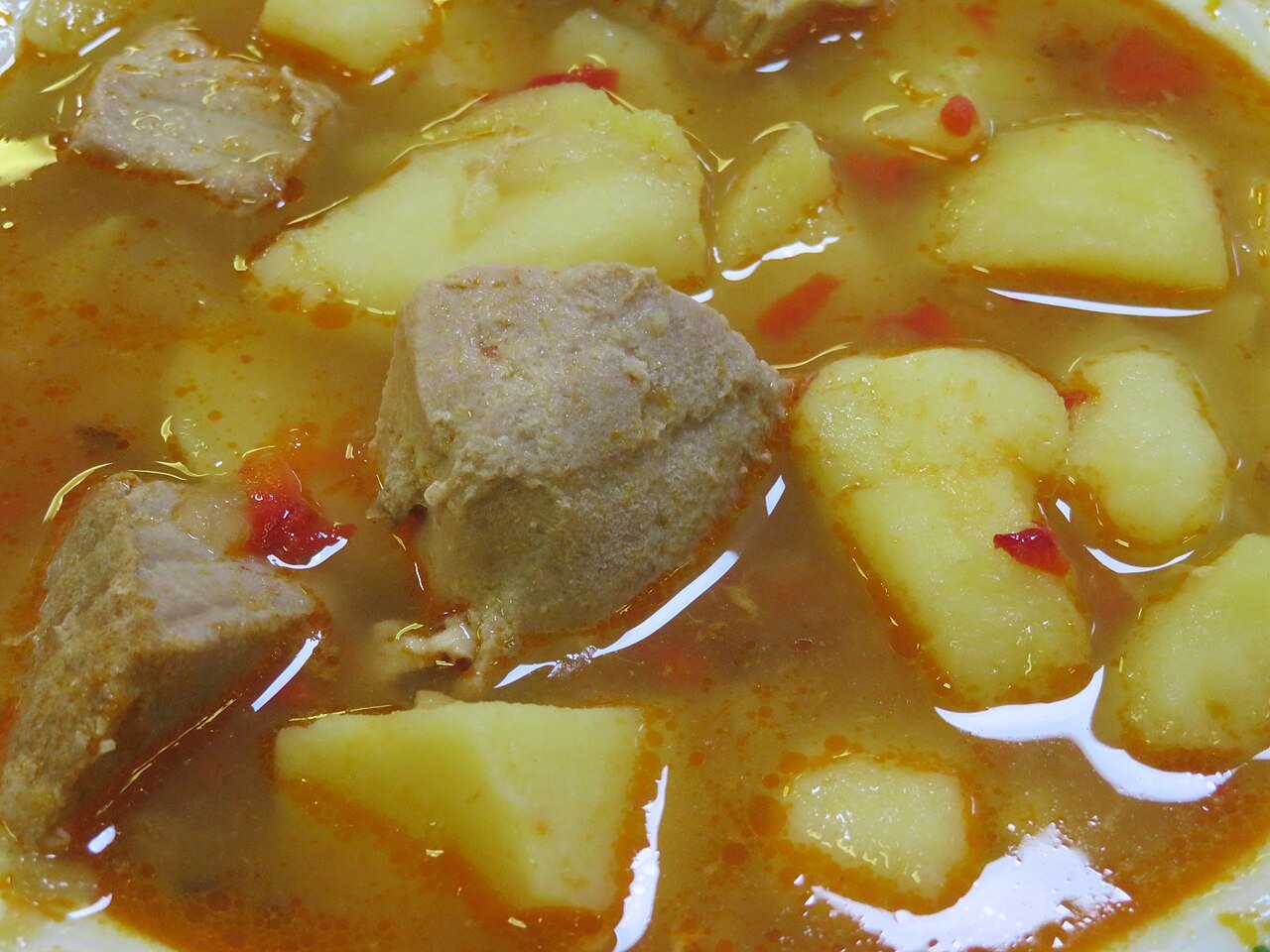
Every neighborhood has its own bars, and some of the best are simply the ones where local people stop on their way home. The Ensanche and Indautxu have more modern bars; the old town has the busiest and most traditional.
When to go
Bars are busiest in the early evening and at weekends, when the old town fills with people moving from counter to counter, and again before lunch. On a weekday afternoon you will have more space and more time to talk to the staff; on a Saturday evening the crowd is part of the experience. During Aste Nagusia in August, the festival tents along the Arenal add music and their own bars to the old town's.
A few habits worth knowing
Stand rather than look for a table; the counter is where the action is, and many bars have few seats. Do not settle in one bar for the whole evening if it is busy: the custom is to move on and leave room for others, and the next counter is rarely more than a few doors away.
A greeting of kaixo when you arrive and eskerrik asko when you leave is welcome, even if the rest is in Spanish or English. The eating and drinking page covers the sit-down dishes of the Biscayan kitchen, from bacalao al pil pil to chipirones en su tinta, and the Basque page has the words you will meet on the boards.
More from the journal
Read next
- When to ComeWhat is Aste Nagusia, Bilbao's Great Week?Bilbao's main festival fills nine days after mid-August with concerts, fireworks over the river and the festival tents of the konpartsak along the Arenal. When it falls, how it began in 1978, what the txupinazo and Marijaia are, and how to plan a visit around it.Read the piece →
- Getting HereHow do you get from Bilbao Airport to the city?Bilbao Airport is at Loiu, over the hills north of the city. The airport bus to the Plaza Elíptica and the Intermodal bus station, taxis, and the direct coaches to San Sebastián and Vitoria-Gasteiz, and how to choose between them by where you are staying.Read the piece →
- The Bizkaia BridgeHow does the Bizkaia Bridge gondola work?The Bizkaia Bridge does not carry traffic over the river: a gondola hanging from a high girder ferries cars and people across the mouth of the Ría. How the transporter bridge works, why it was built that way, what happened to it in the Civil War, and how to ride it and walk across the top.Read the piece →